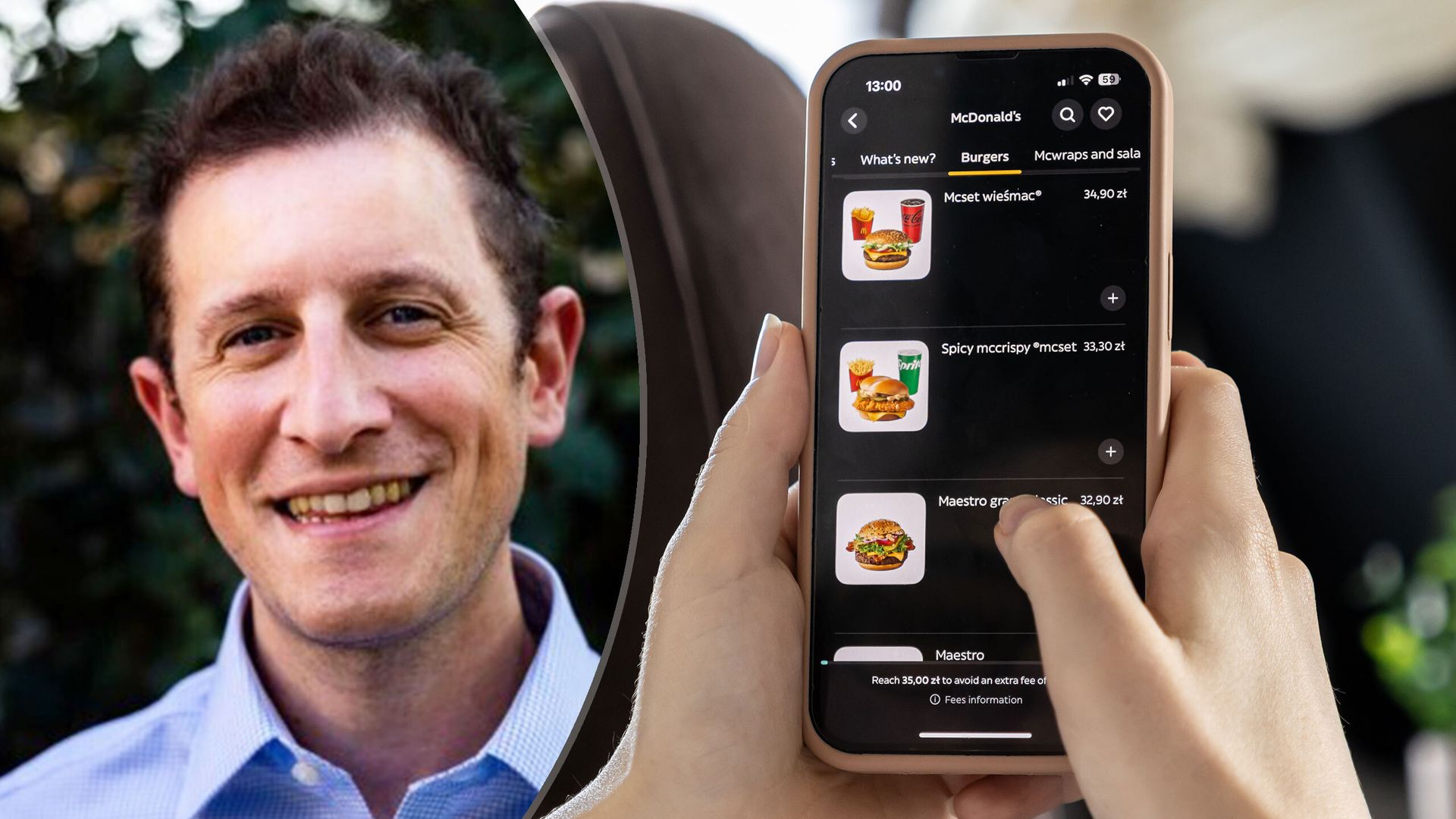
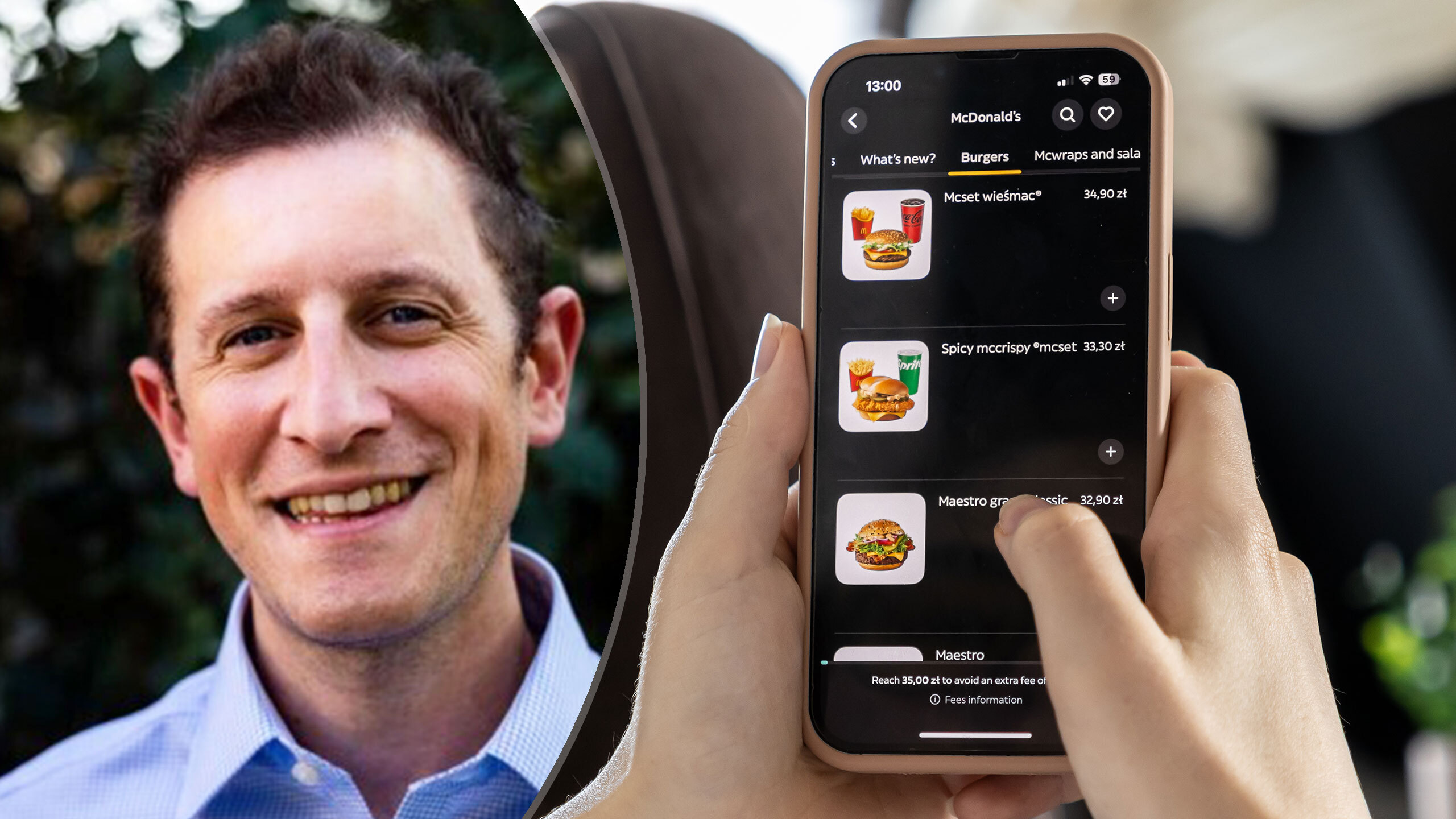
Your usual array of AI slop isn’t just relegated to fake images of celebrities, altered historical figures, posters for films that don’t exist and cats in a boxing pose.
Unappealing AI-generated pictures also litter your favorite eating establishments. It’s become all too common to walk past your local diner, bakery, bodega, etc. and lock eyes with an advertisement that makes their food look a bit odd and (even worse) disgusting. We’ve even reached a point where some restaurants are turning to AI-generated images that may look more realistic than their off-putting counterparts, but may create expectations for their customers that the actual dish doesn’t fulfill.
That problem goes beyond just someone being given a disappointing burger that looks nothing like what they saw on a menu — inaccurate AI food images could misrepresent ingredients, portion sizes and possibly leave customers with food allergies questioning whether a meal is safe to eat.
To find out how AI is changing the way restaurants showcase their food, I spoke with Michael Bortinger, Director of Marketing & Partnerships at Tastewise, an AI-powered food and beverage intelligence platform. He also delved into why convincing AI food images could be more misleading than obviously fake ones, what restaurants should do to make sure the pictures customers see reflect the food they actually serve and more.
Why do you think the seemingly more believable AI-generated food images are actually more dangerous for restaurants than the obviously bad or bizarre ones that go viral?
A burger with three patties floating beside it would be posted online and laughed at, but nobody would genuinely expect to receive it.
It’s much riskier if the output is believable because it can set an unrealistic expectation in the customer’s mind. Delivery app users can’t see the food being prepared, so they rely on photos to understand what to expect. If it shows up and the burger is half the size and most of the toppings are missing, they blame the restaurant rather than the app or the AI, which results in bad reviews and refunds.
It’s much riskier if the output is believable because it can set an unrealistic expectation in the customer’s mind.
When an AI model generates an image of a burger or other types of food, what is it actually basing that image on? And why doesn’t it fully understand what that specific dish is supposed to look like?
While the occasional result might be bad or bizarre, AI is now perfectly capable of generating realistic-looking food. However, outputs are based on the large volume of food photography used to train the model, often with a bias towards more photogenic images. So what you get is a rough average of every good-looking burger it’s ever been fed.
Unless the model is trained specifically on the restaurant’s recipes, ingredients, portion sizes, presentation, and so on, the result won’t realistically reflect that establishment’s dishes.
At what point does a false AI food image cross the line from being a harmless illustration into a misleading advertising claim that could create legal problems for a restaurant?
I’m not a lawyer, so I can’t say where that legal line sits. However, false advertising generally applies when customers may have been misled.
If a customer looks at the image and realistically thinks they’ll receive it, they may have a claim. And that isn’t exactly a tall order if the image is shown on a delivery app alongside the price and order button.
Plenty of restaurants have faced lawsuits over promotional images that exaggerated their dishes, and I’d expect the same standards that are applied to styled photos to apply to generated ones.
What are the most common details AI gets wrong in food images? And which inaccuracies should restaurants be most concerned about?
AI commonly gets portion sizes and proportions wrong. Cultural inconsistencies are also an issue – it’s not great at knowing which type of bread to use or cut to show unless it’s specifically prompted. Likewise, it has a habit of adding ingredients that aren’t actually part of the dish, or making elements look unnatural. Say, cheese that has melted perfectly uniformly or meat with a shiny, rubbery texture. Then there are the overly glossy finishes and unnaturally bright colors that make a dish look artificial.
Plating, lighting, and polish are all cosmetic and have been used in food advertising long before AI. It’s something customers are used to and largely expect.
However, restaurants should be concerned when images don’t accurately reflect the food they’re serving. Inaccurate portions are an issue, for instance, because customers have paid for one thing and receive another. Incorrect ingredients are potentially even worse, because they could mislead customers with allergies and intolerances about whether a dish is safe to eat.
Incorrect ingredients are potentially even worse [than inaccurate portions], because they could mislead customers with allergies and intolerances about whether a dish is safe to eat.
If a restaurant uses an AI agent, like DoorDash’s text-to-order AI agent, to generate or recommend food images, who should ultimately be responsible when that image doesn’t match what the customer receives? The AI company, the restaurant, or both?
Both, but the restaurant can’t hand it off. It’s on AI companies to generate images that aren’t misleading. They choose whether to use authentic menu data and whether to give operators control over what’s shown. It’s especially important that they keep humans in the loop if using AI-generated images to recommend dishes in private text threads, away from menus, where customers might otherwise double-check what they’re ordering.
Ultimately, though, it’s the restaurant’s order, its customers, and its reputation to lose. So while AI companies need to provide the right tools, restaurants are responsible for signing off on anything that represents their food.
Ultimately, though, it’s the restaurant’s order, its customers, and its reputation to lose. So while AI companies need to provide the right tools, restaurants are responsible for signing off on anything that represents their food.
What should restaurants be doing right now to make sure AI-generated images accurately represent their actual dishes?
Generate AI images using the actual recipe, the actual portion sizes, and actual reference photos of the dish on the plate exactly as it’s served. Then make sure the output matches what’s coming out of your kitchen, and update it whenever the dish changes.
I think it’s also important to consider when and where it’s appropriate. AI can really help with time-sensitive operational work – say, a small independent that needs to push a menu update across three delivery platforms. They can do it in hours now, rather than weeks, and that time saved makes a big difference when you’re trying to keep up with larger chains. However, hero photography – the main images a restaurant uses to represent their brand – is still worth shooting for real.
Hero photography – the main images a restaurant uses to represent their brand – is still worth shooting for real.
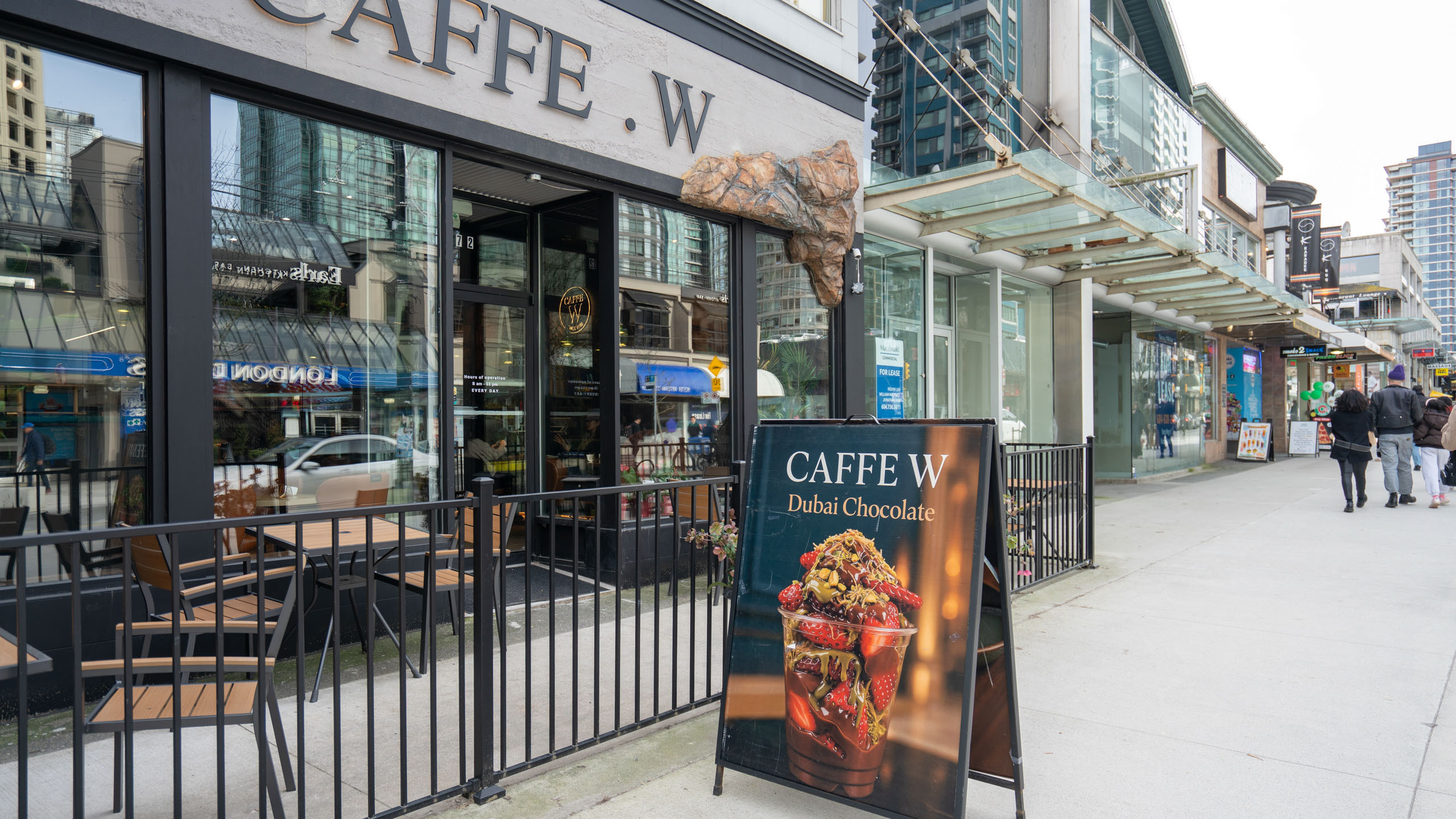
Looking ahead, do you think AI-generated food imagery can ever become reliable enough to replace real photographs of dishes? Or should consumers and restaurants always treat these images as potentially misleading?
In many respects, it already has. Restaurants use hundreds of images across their various sales and marketing channels. They’re already generating a large number of them. There’s a good chance you’ve ordered food based on an AI-generated image many times without even realizing it.
However, consumers shouldn’t have to question whether every food image they see is real. It’s the industry’s responsibility to make sure these images aren’t misleading customers, and the only way to do that is to generate them from real, accurate menu data and give restaurants a clear opportunity to approve them. If that becomes the norm, any AI-generated image would be just as trustworthy as a traditional photograph.
There’s a good chance you’ve ordered food based on an AI-generated image many times without even realizing it.

Follow Tom’s Guide on Google News and add us as a preferred source to get our up-to-date news, analysis, and reviews in your feeds. Subscribe to Tom’s Guide on YouTube and follow us on TikTok.
More from Tom’s Guide
- I connected ChatGPT to the apps I use daily with these 5 plugins — and it was a huge time-saver
- ChatGPT-6 just got a huge ‘interactive answers’ upgrade — and free users get it starting today
- I gave ChatGPT $100 and 72 hours to get me out of the house — and it found something I realized I’ve been missing for years
Next Badge:
More Comments/Likes Until Your Next Badge