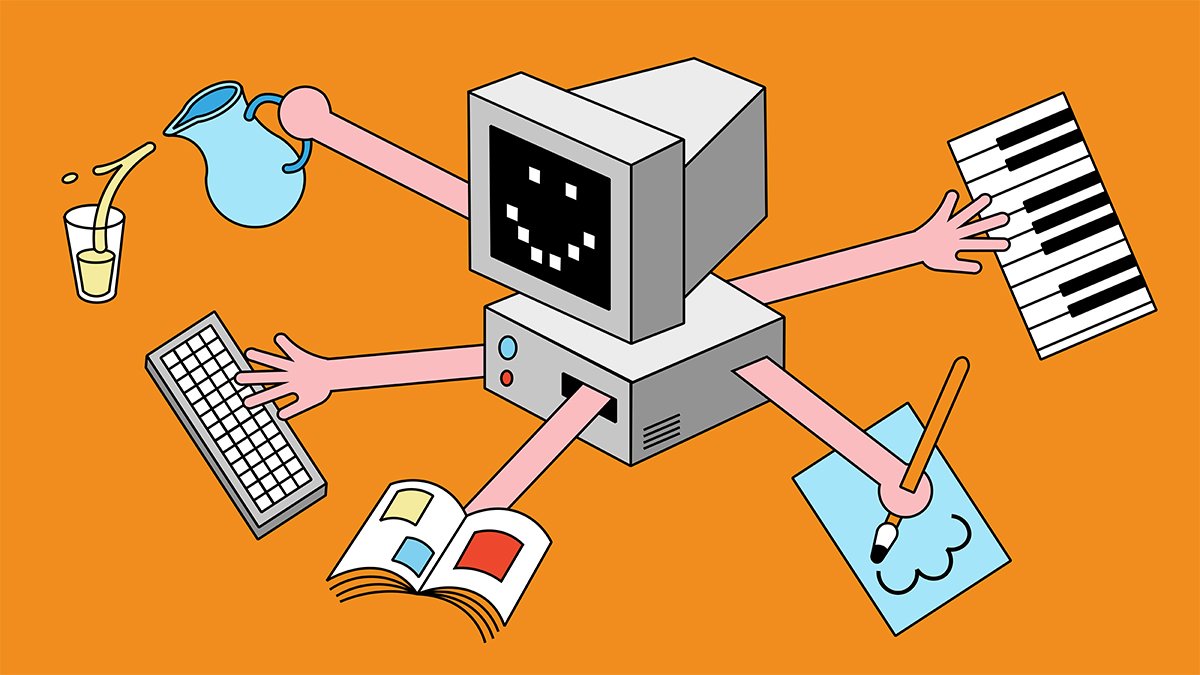
Today, a single individual enabled by AI can—at very low cost—perform many activities needed to establish a startup quickly and in parallel: generating product ideas, simulating
Almost two decades ago, the entrepreneur and author Eric Ries launched a methodology for the “lean startup.” In this approach, a new business could be launched with just capital, a minimum viable product, a team, extensive discussions with potential customers, and a process of repeated pivoting as the startup scaled. The lean startup approach combined Toyota’s lean manufacturing method with Stanford professor Steve Blank’s approaches to customer development. Because founders typically had few resources at their disposal, the lean approach took hold.
As AI agents increasingly interact with one another on commercial platforms, firms need new rules governing what those agents can see, decide, and do. In a controlled AI-to-AI simulation covering
In late 2025, Perplexity’s Comet browser began logging into shoppers’ Amazon accounts and buying on their behalf. Amazon treated it as an intruder. It blocked the agent and when Perplexity slipped past the block within a day, Amazon took the dispute to federal court. WeChat drew the line differently. After shutting out ByteDance’s Doubao assistant, which used system-level access to navigate WeChat without permission, Tencent later opened what it describes as an agent-to-agent channel to selected assistants from Huawei, Xiaomi, and others to send messages and place calls. Under this arrangement, an external agent translates a user’s request into a structured instruction and passes it through a Tencent-controlled interface to WeChat, which executes the action inside its own environment. Tencent controls which agents can connect, which functions they can invoke, and what data and execution remain inside WeChat. In other words, one platform shut the door to AI agents outright; the other unlocked it on its own terms.