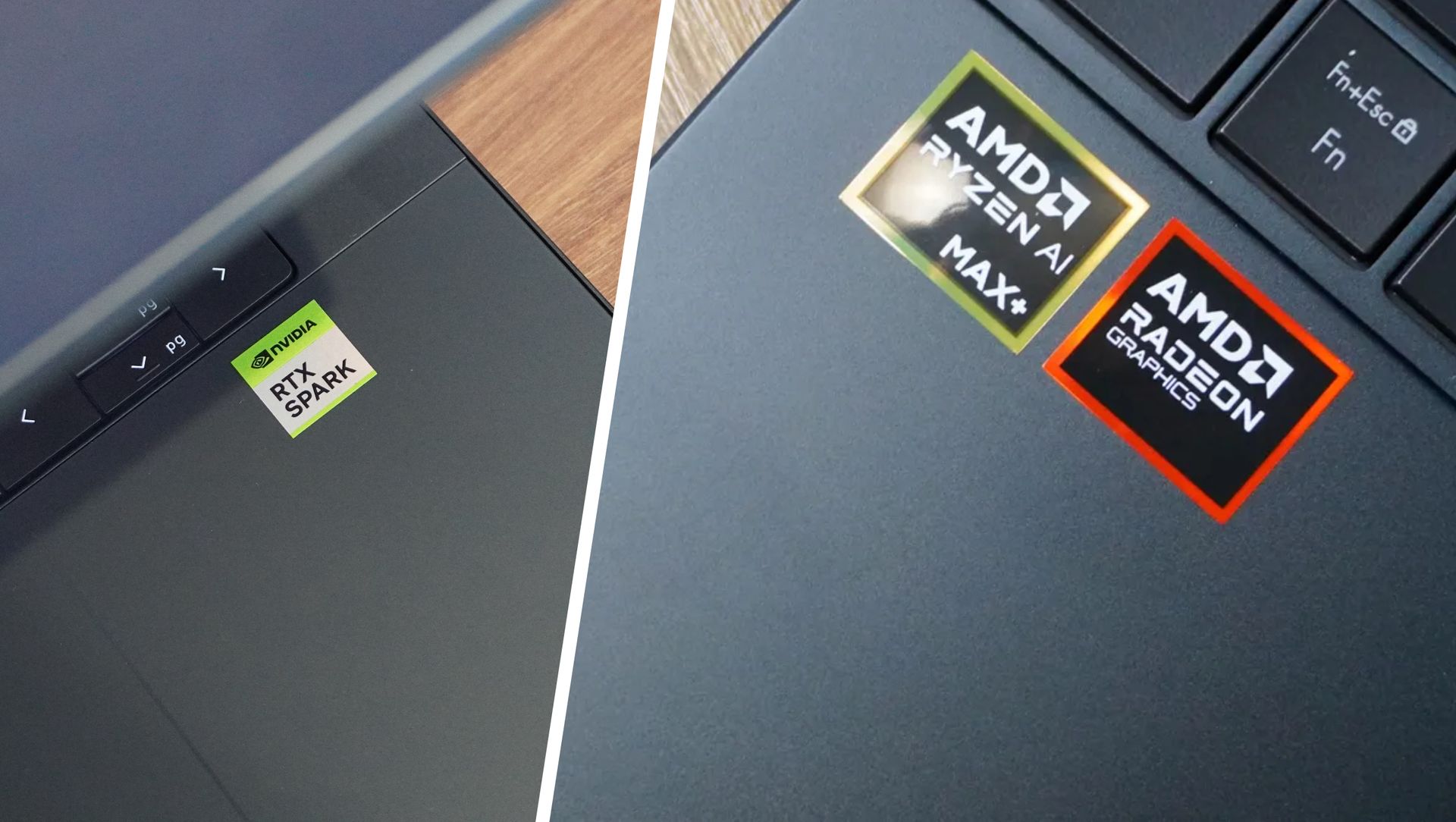
Nvidia has just properly unveiled RTX Spark alongside Microsoft’s flagship Surface Laptop Ultra, heralding what Jensen Huang said about reinventing the PC — massive unified memory, local AI and desktop-class power in a portable chassis.
If you ask AMD, however, Nvidia didn’t invent a new category. Instead, it validated one Team Red has been selling for over a year. Speaking directly after the RTX Spark reveal, Mike Nordquist, CVP of Client Product Marketing, didn’t hold back with me.
Between calls to celebrate industry competition and pointed critiques of Nvidia’s hardware architecture, Nordquist laid out a sharp, pragmatic case for why AMD believes its second-generation Ryzen AI Max 400 series (codename Gorgon Point Halo) leaves Nvidia’s new darling in the dust.
Editor’s note: This interview has been edited for brevity and clarity.
‘Nvidia is just getting started’
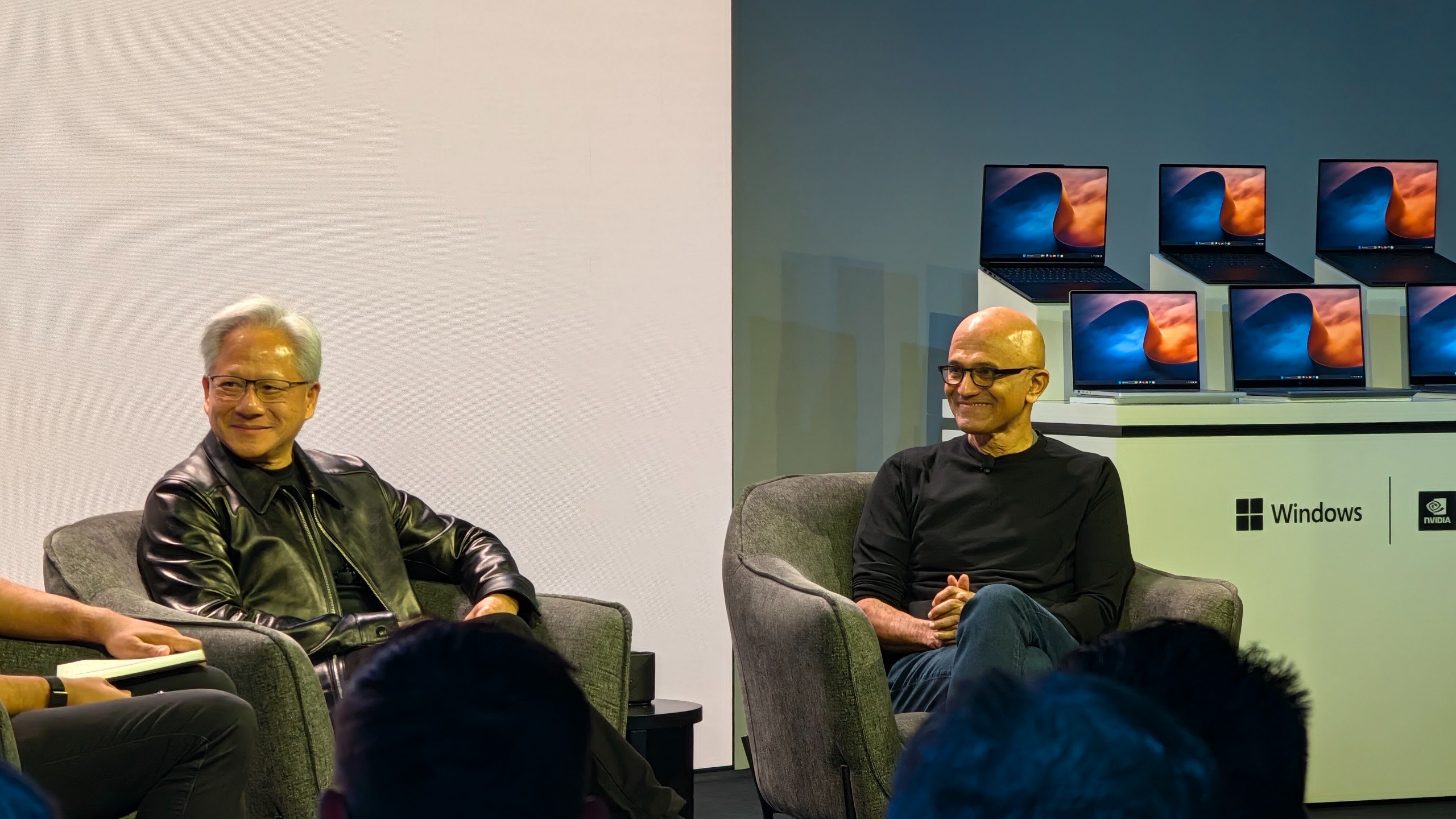
While Nvidia embraces the unified-memory laptop, AMD was quick to point out that it kicked off this exact architecture with Strix Halo back in early 2025.
“The exciting part is just the category development. We introduced a similar product in early 2025, so having more people come in and validate that, and you see Microsoft beefing up, I think that’s good overall. Competition is good overall,” Nordquist commented.
“We’re in our second generation that we just announced in the last month, which brings 50% more capacity [than RTX Spark]. So you can get higher capability [AI] models than maybe what you saw today.”
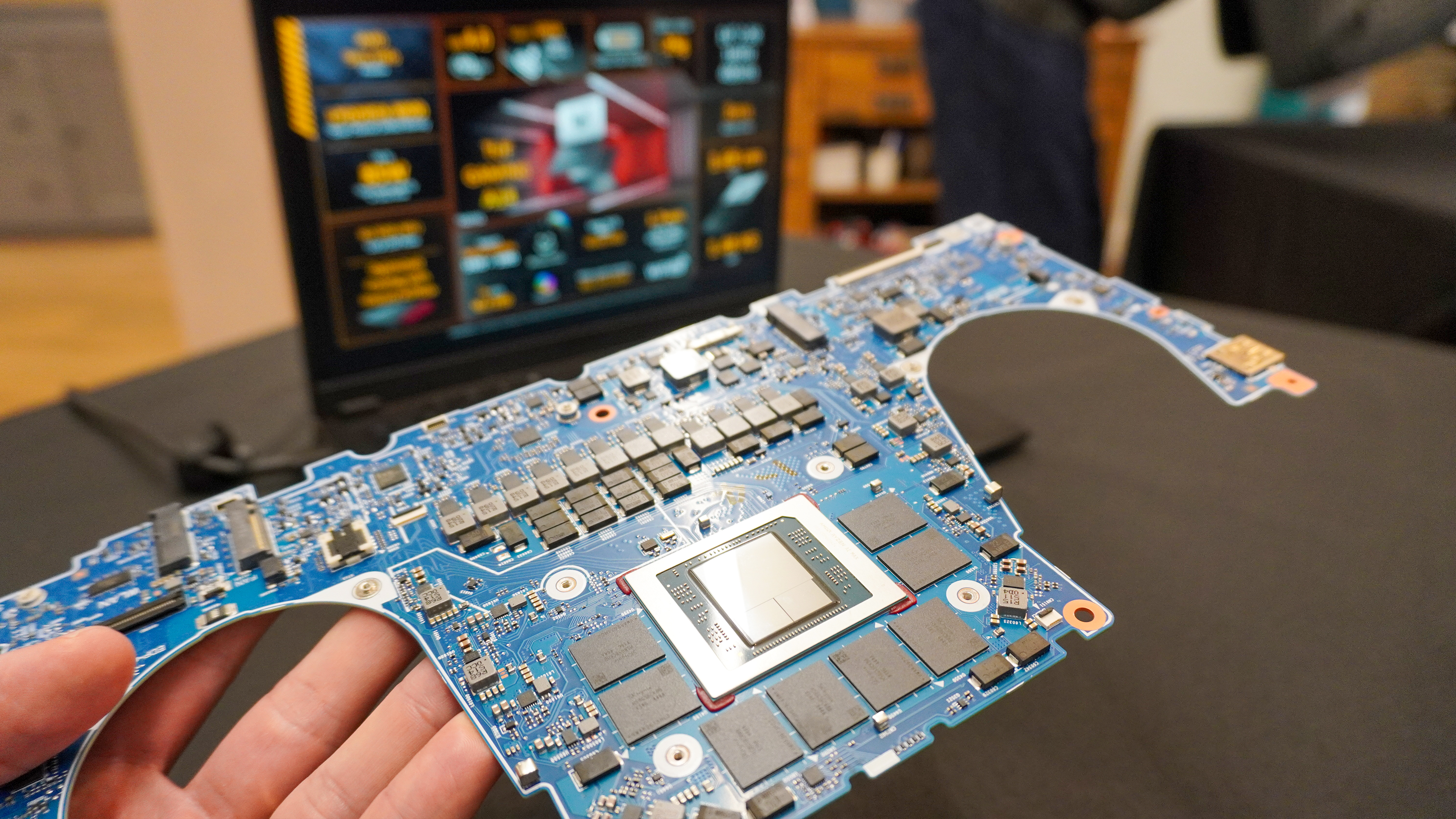
This cuts straight to the core of one thing AMD does have an advantage over Nvidia on — core memory. RTX Spark caps out at 128GB of unified memory, but AMD’s Gorgon Halo pushes that ceiling to 192GB. As Nordquist says himself, that gives you “bigger models up to 300 billion parameters,” which ensures a “higher quality.”
The elephant in the keynote: why did nobody say “Arm”?
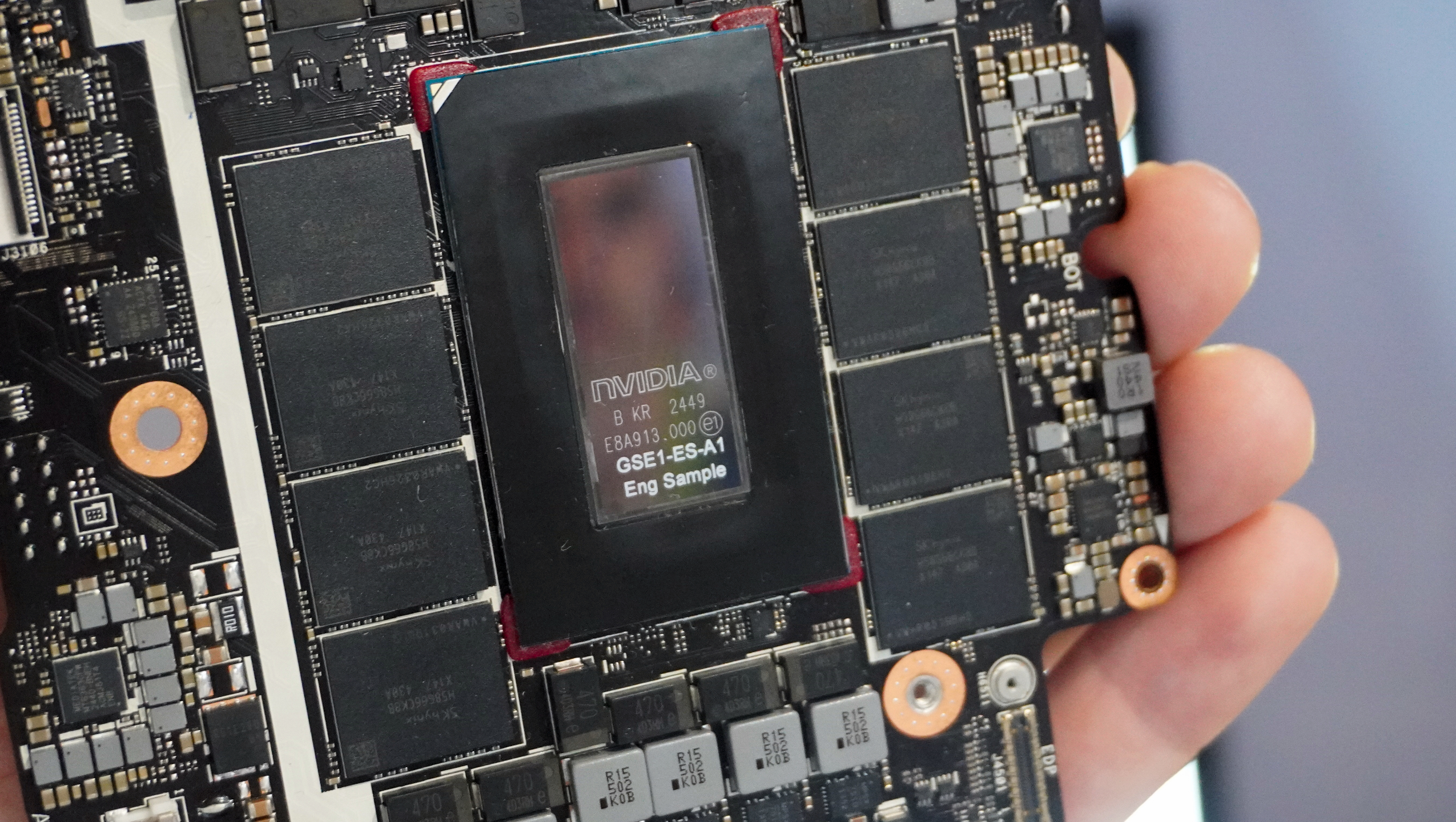
Quick explainer to kick this off. AMD and Intel CPUs are built on an x86 architecture — the architecture that’s been used by Windows PCs for over 30 years. It has its down sides, but the main strength here is its the default native standard. It’s been around for ages and chips are built for it.
Nvidia’s RTX Spark and Snapdragon X Elite use an Arm architecture. Arm’s not new, but comparatively, it’s the new kid on the block which does introduce some power efficiency gains.
However, it’s main issue is emulating these apps built for x86 into Arm. There’s a performance penalty there, as it needs to translate the code as you use the app at the same time.
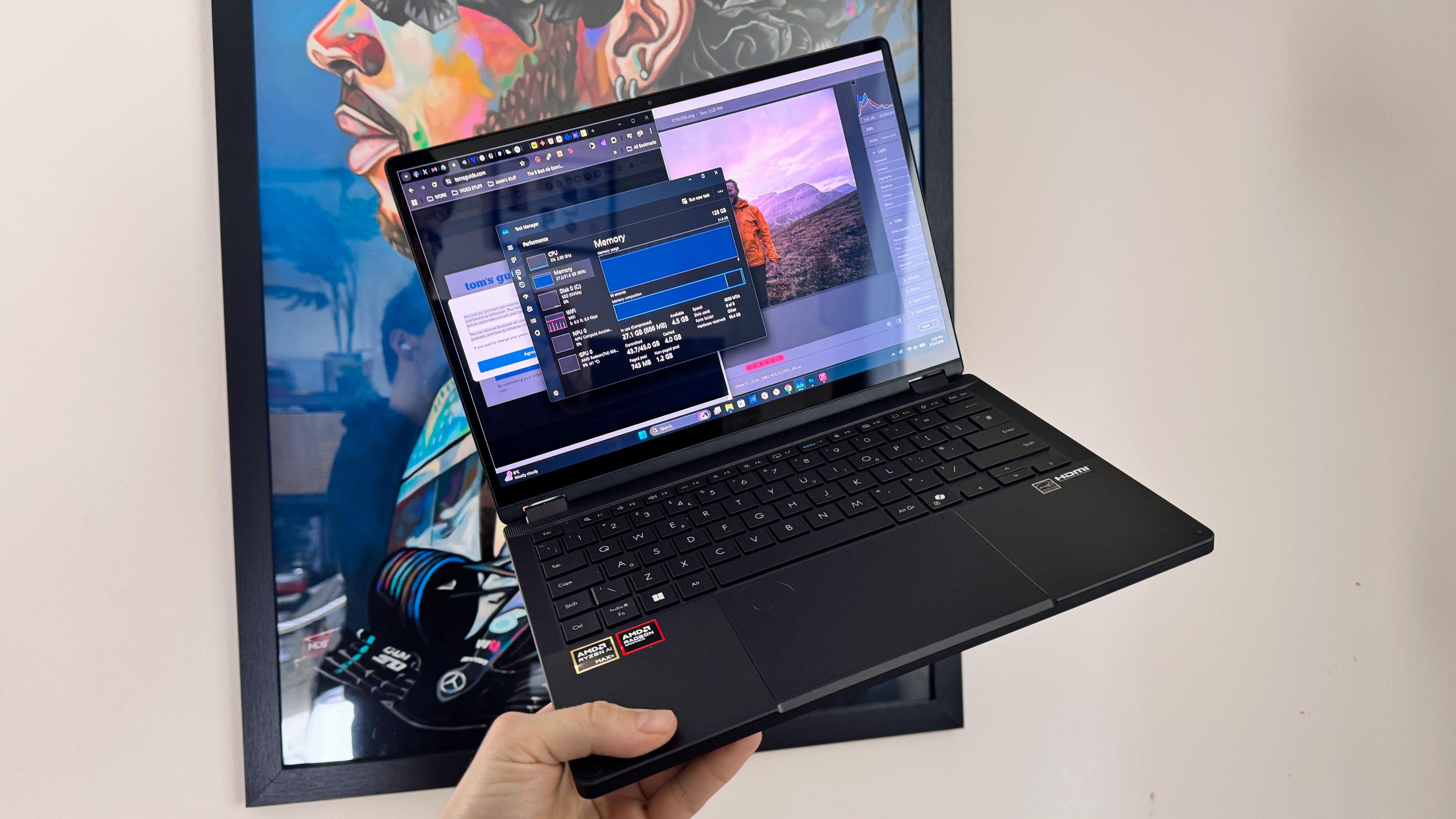
This is probably the sharpest jab from Nordquist. Not about raw AI performance or memory bandwidth, but the glaring omission in Nvidia and Microsoft’s keynote. Across the entire launch, the word “Arm” was practically scrubbed from the script.
“Everything just runs native [on AMD], and I still don’t know what that experience is going to be, how great the CPU is going to be,” Nordquist pondered. “We feel really good that everything just runs out of the box with out product. And I think those questions remain [with RTX Spark].”
When pressed on whether Windows on Arm is finally staging an unstoppable coup against traditional x86 computing, Nordquist dismissed the supposed architectural superiority of Arm outright.
“I don’t think there’s anything magic about going to Arm — that it’s going to be lower power or some other attribute out there. I don’t think we’ve ever believed that, and I don’t think Intel probably believes that as well,” Nordquist responded.
“I didn’t hear Arm mentioned once. It was interesting in their keynote that neither Nvidia nor Microsoft talked about it.
Thirty years of laptop DNA vs a GPU giant’s first clamshell
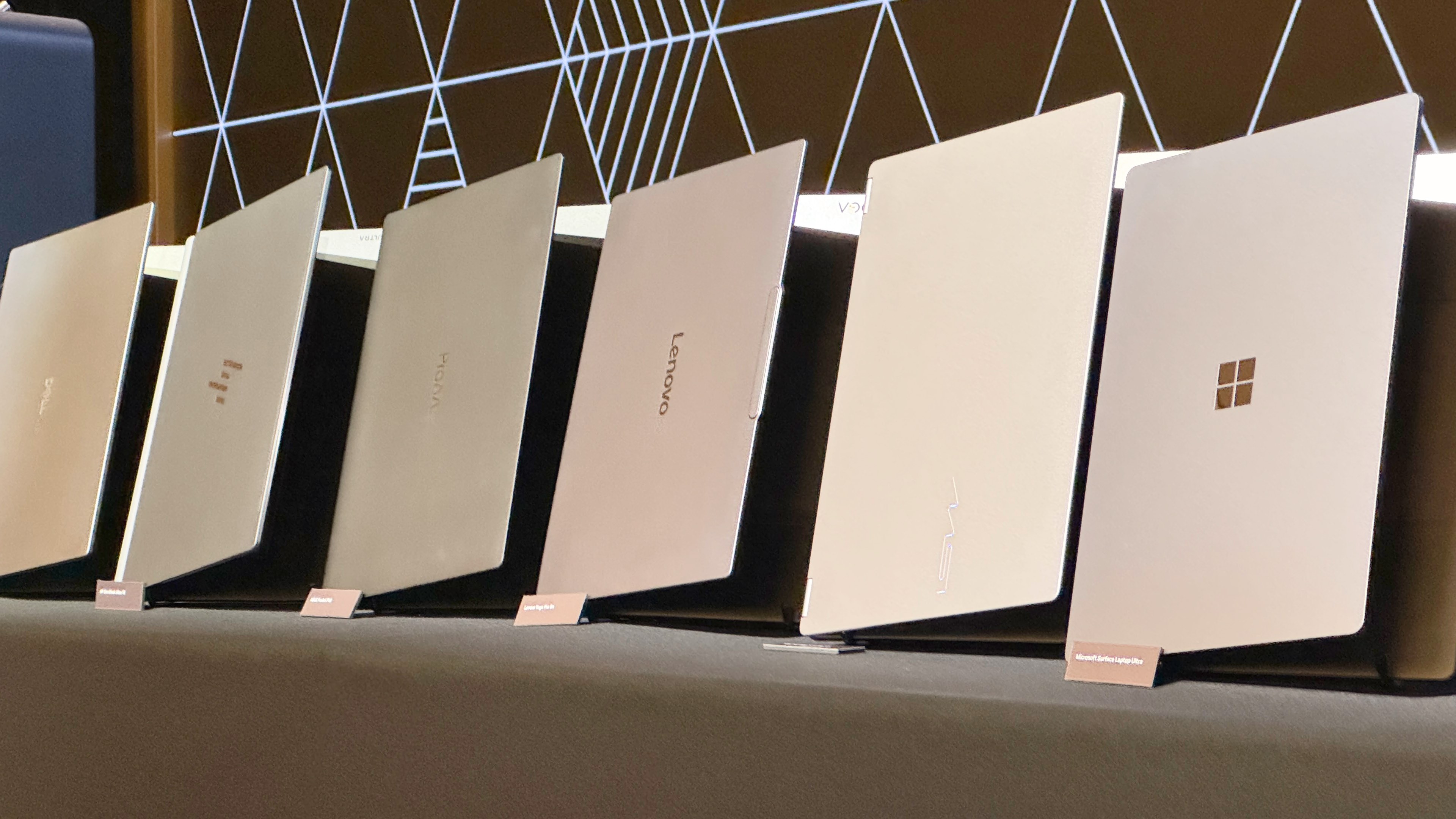
Nvidia might dominate AI data centers and even make the dedicated GPUs for gaming laptops. But when it comes to the messy, compromise-heavy reality of consumer laptops — thermal throttling, battery curves, sleep states and legacy software — Nordquist hammered how that building a standalone laptop platform is a different beast.
“They’re new to the laptop market in general. We’ve been doing it for 30 years-plus in this space, so I think we know how to run Windows,” Nordquist added.
“There’s no emulation; the games are just going to run natively. You’re buying into something that’s going to work, and not having to worry about whether something’s going to break. You’re just kind of covered with what we have.”
The silicon war moves to the bench
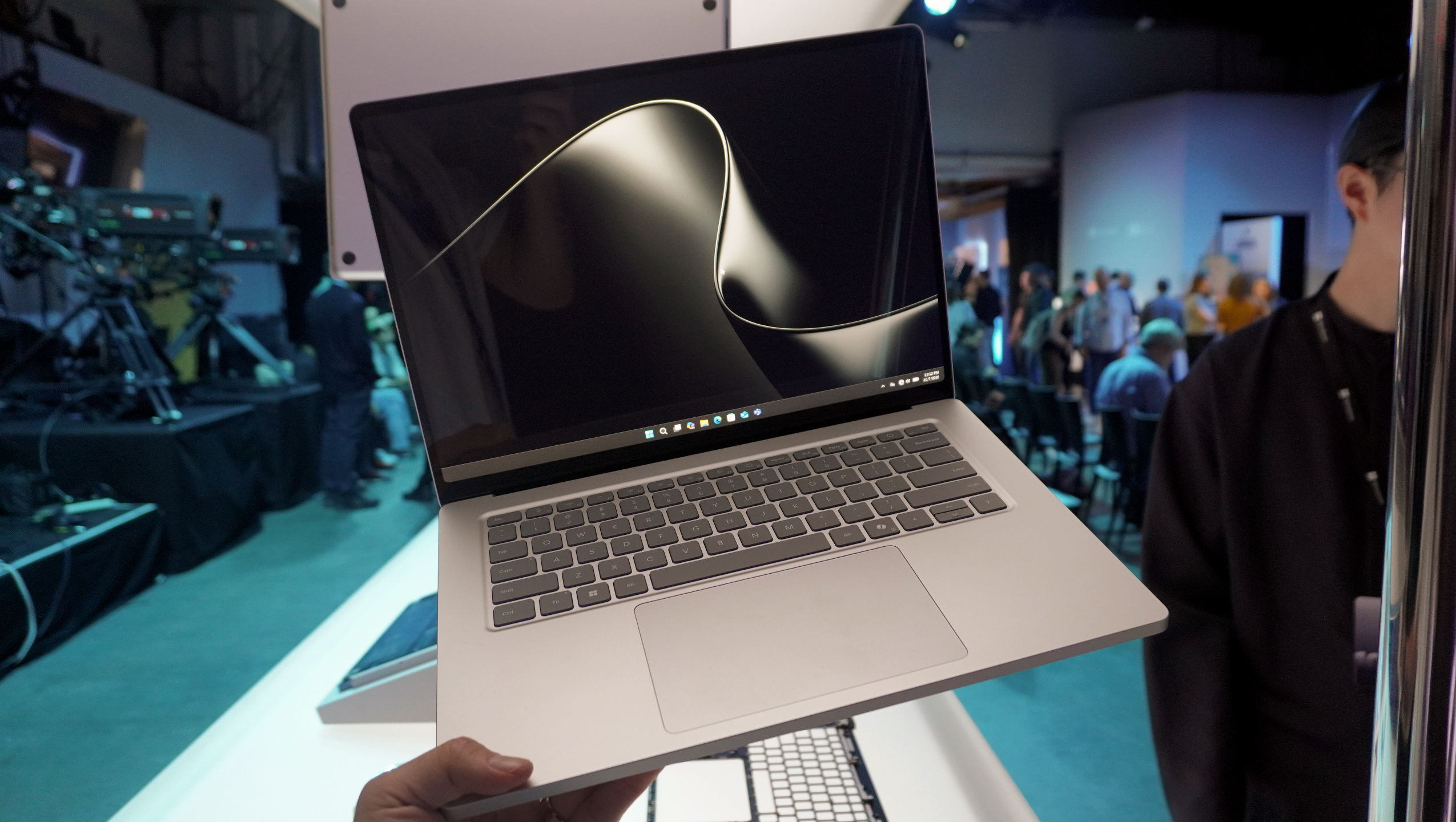
Nordquist’s retort lands with some weight because it exposes Arm’s hurdles and the challenge Nvidia has:
- The compatibility tax: Microsoft has worked hard on its Windows Prism Emulation layer for translating x86 apps to Arm, but running that translation still risks edge-case performance hits. Conversely, AMD’’s x86 architecture guarantees zero translation overhead for hefty software and native PC gaming.
- The memory ceiling: Nvidia’s 128GB unified cap is undeniably impressive, but AMD’s 192GB ceiling gives local AI 50% more breathing room for more concurrent agents.
- The category reality: Nvidia’s joined a party AMD rocked up to a year ago. The company has already spent 12 months taking consumer feedback and refining the second-generation silicon.
But ultimately, the time for talk is over. Nvidia brought serious star power, but AMD isn’t blinking. Now it’s time for real-world benchmarking to see whether Nvidia’s Arm silicon can actually match AMD’s battle-tested x86 brute force.

Follow Tom’s Guide on Google News and add us as a preferred source to get our up-to-date news, analysis, and reviews in your feeds.
More from Tom’s Guide
- I didn’t believe an Nvidia RTX Spark laptop would have the same performance both on and off the charger — so I put it to the test
- AMD just flaunted its own 192GB monster chip to spoil Nvidia’s RTX Spark party — Ryzen AI Max+ Pro 495 should worry Apple, too
- I just tested Windows 11 26H2 — here’s how to update now and why Microsoft finally fixed the two worst things about Windows 11
Next Badge:
More Comments/Likes Until Your Next Badge