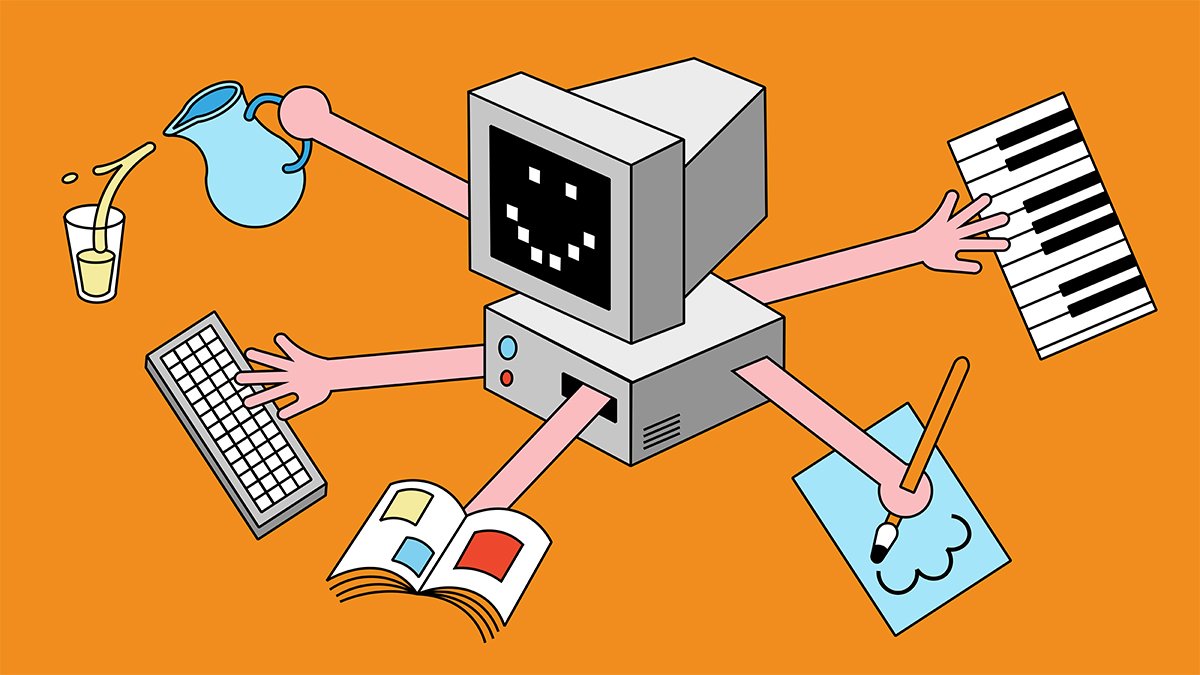
Today, a single individual enabled by AI can—at very low cost—perform many activities needed to establish a startup quickly and in parallel: generating product ideas, simulating
Almost two decades ago, the entrepreneur and author Eric Ries launched a methodology for the “lean startup.” In this approach, a new business could be launched with just capital, a minimum viable product, a team, extensive discussions with potential customers, and a process of repeated pivoting as the startup scaled. The lean startup approach combined Toyota’s lean manufacturing method with Stanford professor Steve Blank’s approaches to customer development. Because founders typically had few resources at their disposal, the lean approach took hold.
In the September 7 edition of The Insider newsletter, managing editor Gretchen Gavett shares HBR’s plans for covering AI over the next month, new insights from the creators of blue ocean
For years, corporate lawyers have obsessed over one question when it comes to AI: Is our data going into someone else’s training set? Most companies feel they’ve solved that. They’ve signed contracts saying the AI provider can’t train on the prompts their employees type in.
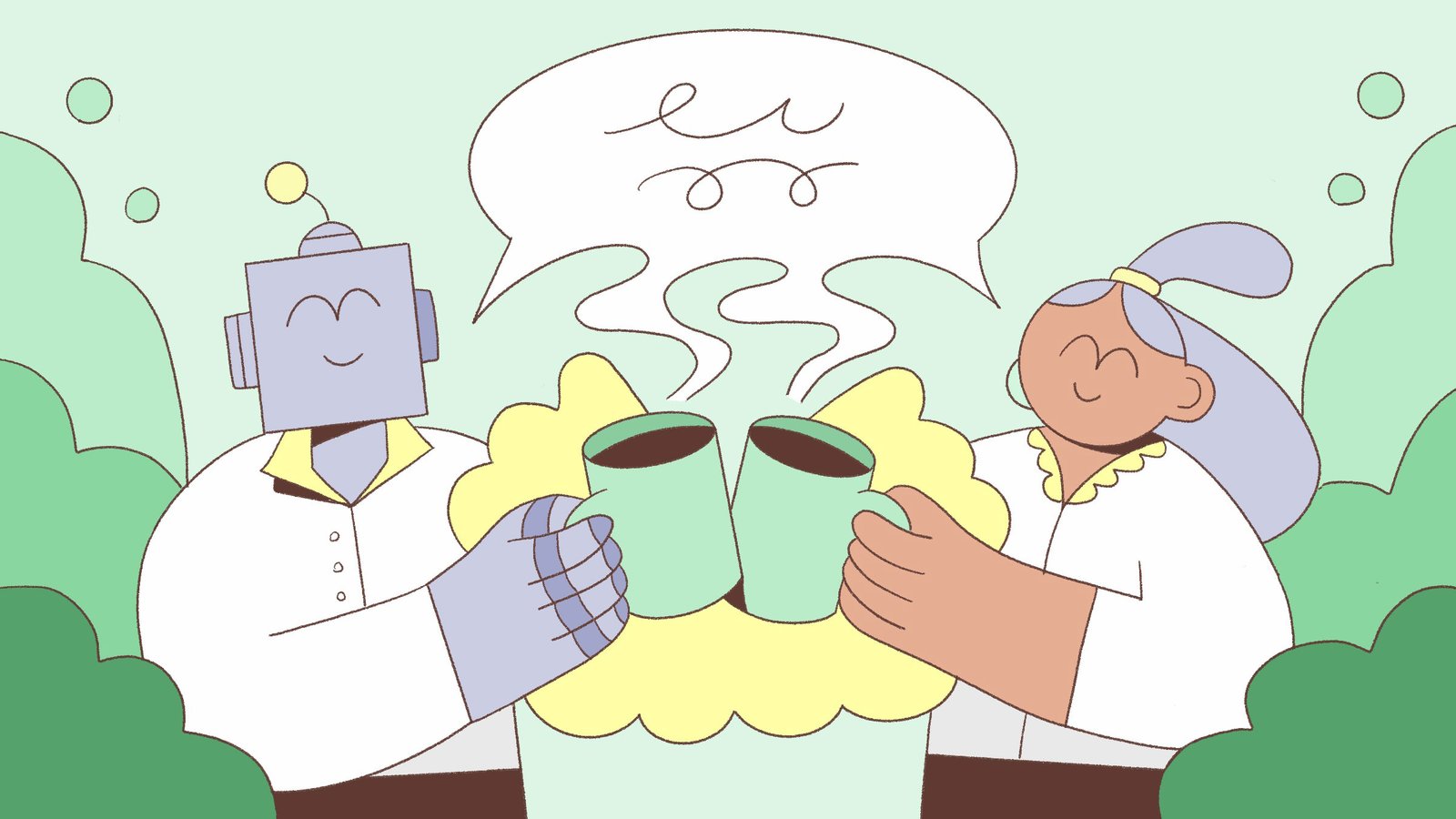
Intentionally incorporating AI before, during, and after meetings leads to better group outcomes, according to a new analysis. by Gabriele Rosani and Elisa Farri
September 7, 2026
Illustration by Anna Micheloni
Summary.
AI adoption is accelerating, but most organizations overlook where much of their work happens: in teams. Managers routinely use AI for individual tasks, yet rarely bring
HBR Executive delivers trusted insights and actionable strategies to guide leaders through consequential decisions. Practical tools, and forward-looking perspectives cut through the noise to equip you to navigate uncertainty, stay ahead of emerging trends, and plan for a stable future.
Exclusive Benefits
Playbooks
Concrete strategies, tactics, and solutions to real challenges from your peers and other experts. Published every 2 weeks. All Playbooks (Opens a new page)
Masterclasses
Agenda
A weekly newsletter of timely insights that interpret today’s business climate and help you chart a path to what’s next. All Agenda (Opens a new page)
Agentic AI is blurring the traditional boundaries between marketing and sales, even as most companies continue to deploy the technology separately within each function. That approach misses an
For years, aligning marketing and sales has been one of the most persistent priorities in commercial leadership—and one of the hardest to achieve. Agentic AI is changing that.
As brands rush to use generative AI to make advertising faster and cheaper, new research suggests that the real risk is not obviously bad creative but work that looks good enough to approve while
A senior leader could be forgiven for seeing generative AI as the answer to one of marketing’s most stubborn problems: creative work is expensive, slow, and hard to scale. With the right prompts, a team can now generate concepts, scripts, images, and even video spots in a fraction of the time it once took. The output often looks polished, on-brand, and real. But even looking real enough to make consumers believe they’re seeing human-designed ads is not the same as working well.
Traditional “tough” questions often elicit polished talking points rather than candid answers. A more revealing approach is the curveball: a question that is closely tied to what
We’re all taught to ask tough questions. Interviewers are coached to use open-ended prompts to get beyond rehearsed answers. Managers press for specifics when employees speak in generalities. Journalists and negotiators follow up when someone evades the point. The aim is the same: to uncover information the other person may be reluctant to reveal.
As AI agents increasingly interact with one another on commercial platforms, firms need new rules governing what those agents can see, decide, and do. In a controlled AI-to-AI simulation covering
In late 2025, Perplexity’s Comet browser began logging into shoppers’ Amazon accounts and buying on their behalf. Amazon treated it as an intruder. It blocked the agent and when Perplexity slipped past the block within a day, Amazon took the dispute to federal court. WeChat drew the line differently. After shutting out ByteDance’s Doubao assistant, which used system-level access to navigate WeChat without permission, Tencent later opened what it describes as an agent-to-agent channel to selected assistants from Huawei, Xiaomi, and others to send messages and place calls. Under this arrangement, an external agent translates a user’s request into a structured instruction and passes it through a Tencent-controlled interface to WeChat, which executes the action inside its own environment. Tencent controls which agents can connect, which functions they can invoke, and what data and execution remain inside WeChat. In other words, one platform shut the door to AI agents outright; the other unlocked it on its own terms.
Europe’s household air-conditioning market has remained stubbornly small despite increasingly severe heatwaves. The window units prevalent in much of the word are typically incompatible with
Every summer, Europe gets hotter. Heatwaves arrive earlier, last longer, and grow more intense. Keeping homes cool is increasingly becoming a necessity. The U.N. World Health Organization estimates that 200,000 people have died from heat-related illness across the Europe over the past four years alone.