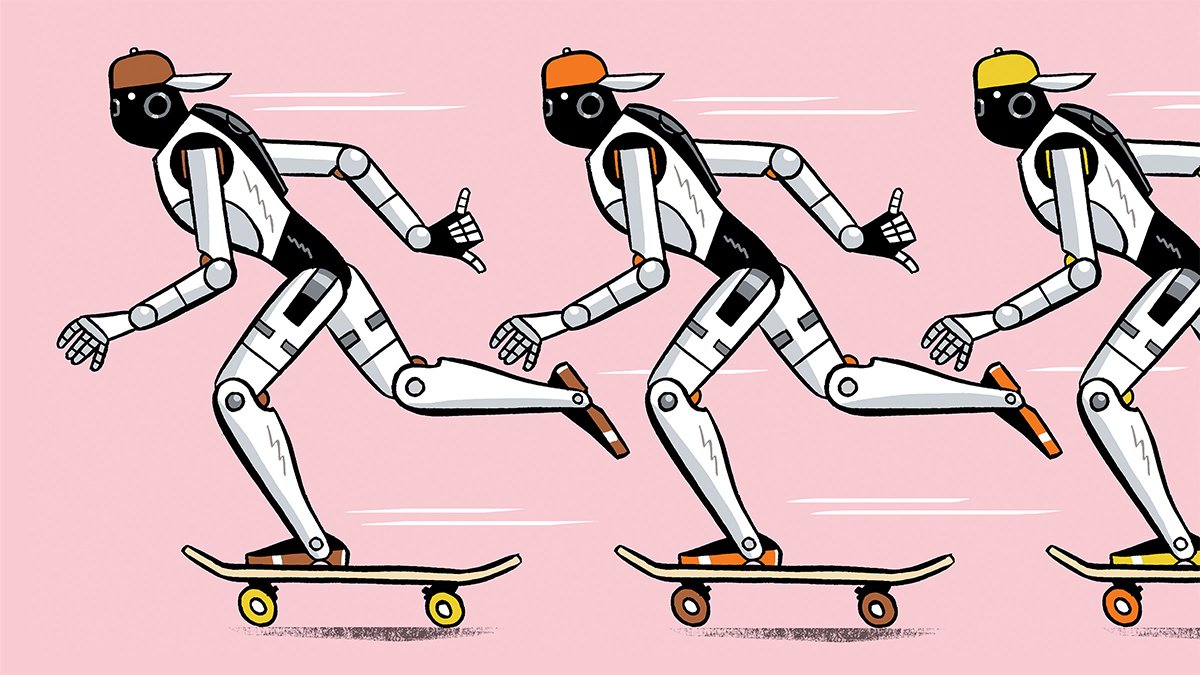
AI agents are changing the nature of customer relationships by taking on more of the discovery, comparison, negotiation, and purchasing decisions that companies once controlled through their own
On September 8, 2026, Meta launched Muse, a personal AI agent designed to act on a user’s behalf: filling out forms, negotiating, booking travel, and making purchases. Twelve days later, Amazon blocked Muse from shopping on its site, arguing that third-party agents should identify themselves and obtain a retailer’s permission before transacting on behalf of its customers.
AI isn’t simply replacing sales work or automatically equalizing sales performance; it’s providing disproportionate lift to individuals and organizations that can build systems around
Generative AI has produced two competing views about which workers will benefit most. One view is that AI will narrow performance gaps by giving lower performers templates, answers, and coaching directly in their workflow. The other is that AI will widen those gaps by eliminating routine but necessary work, which will allow top performers to spend more time on higher-value activities where they already have an advantage. At the individual task level, high and low performers may both benefit, but the more important question is which effect dominates on net in real jobs, where workers perform bundles of activities. The answer matters for how firms hire, train, organize teams, and adjust practices built for their current talent mix.
Corporate sustainability may have fallen out of favor in some executive and political circles, but the business case remains strong: Companies continue to invest because sustainability
Corporate sustainability appears to be in a bit of a slump. ESG has become a political liability, sustainability teams are shrinking, and many executives have shifted their attention to AI, economic uncertainty, and regulatory fragmentation.
is a senior director analyst in the Gartner HR practice. They support CHROs and HR leaders to understand and prepare for AI’s impact on the workforce and shape work for the human-AI era. CV engages with clients and speaks on topics including AI’s impact on headcount and roles, AI’s impact on skills, AI literacy, building AI-readiness across the workforce, and the intersection of inclusion and AI.