
We’ve found that self-play allows simulated AIs to discover physical skills like tackling, ducking, faking, kicking, catching, and diving for the ball, without explicitly designing an environment with these skills in mind. Self-play ensures that the environment is always the right difficulty for an AI to improve. Taken alongside our Dota 2 self-play results, we have increasing confidence that self-play will be a core part of powerful AI systems in the future.
Related Posts
Strengthening societal resilience with Rosalind Biodefense
OpenAI launches Rosalind Biodefense, expanding trusted access to GPT-Rosalind for vetted developers and U.S. government partners advancing biodefense, public health,…

Anthropic pitches AI safety bill that may block a model if 50+ people could be killed
The proposed policy seems to offer protections against AI run amok but actually forbids federal agencies from blocking a model’s…
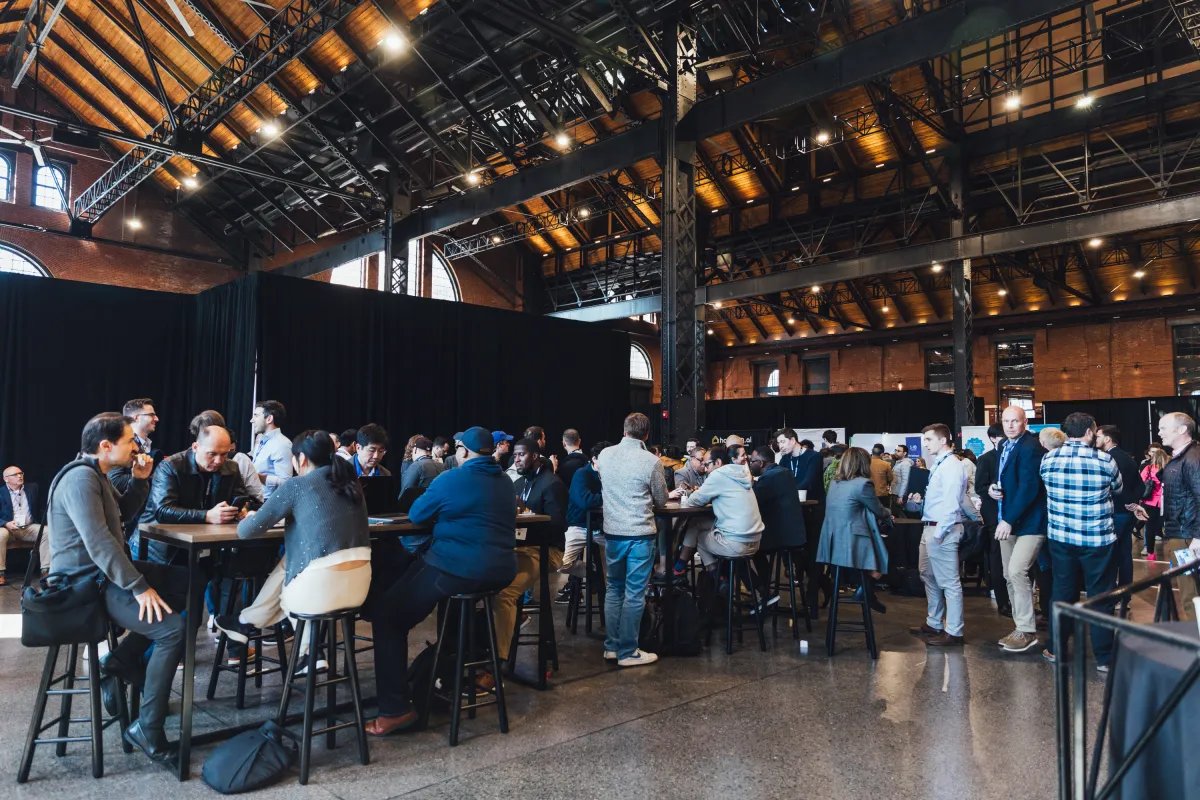
Skip the small talk: Make game-changing connections at TechCrunch Founder Summit with Braindate
At TechCrunch Founder Summit 2026, happening November 4 at SoWa Power Station in Boston, networking powered by Braindate is designed…