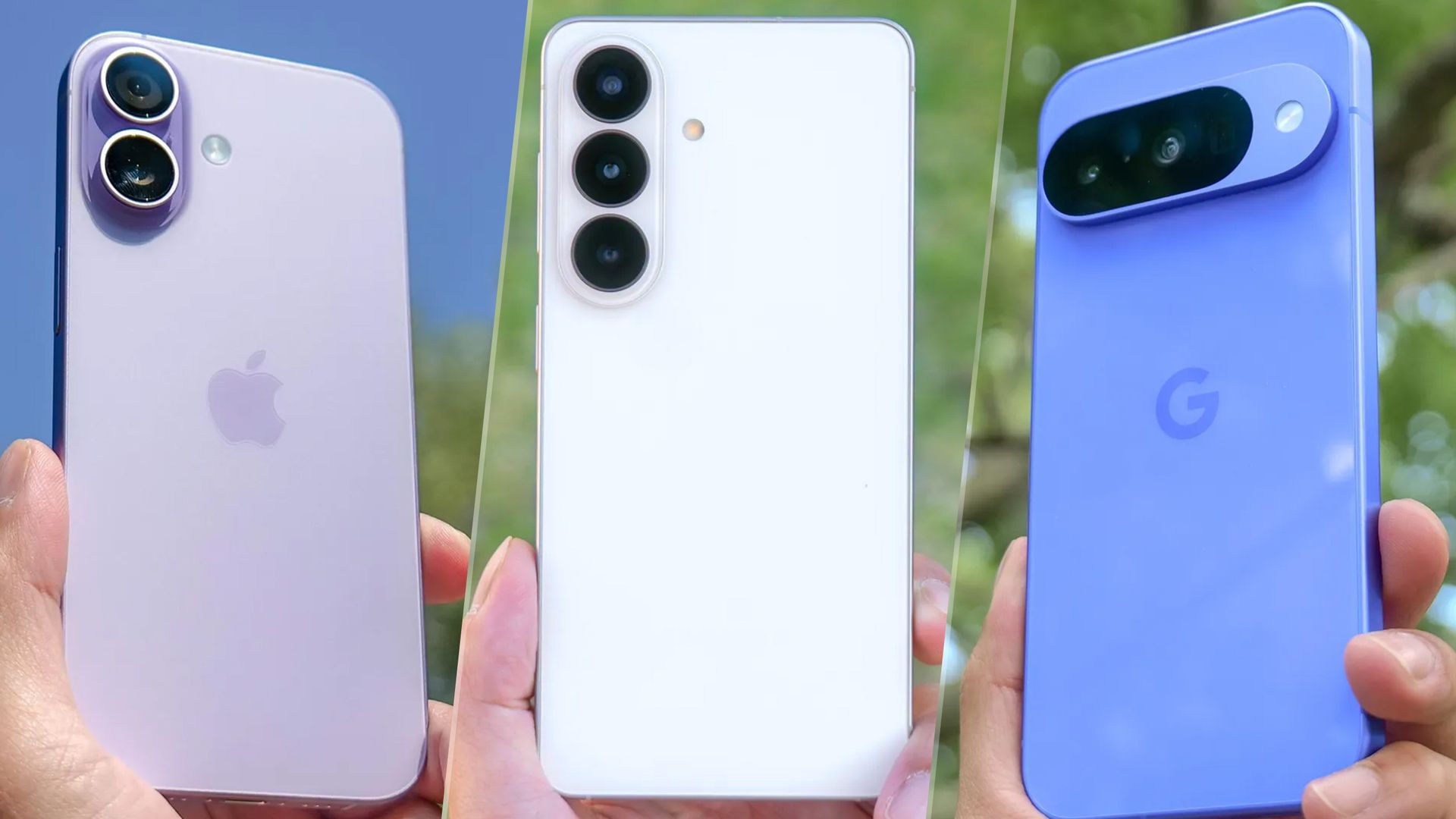
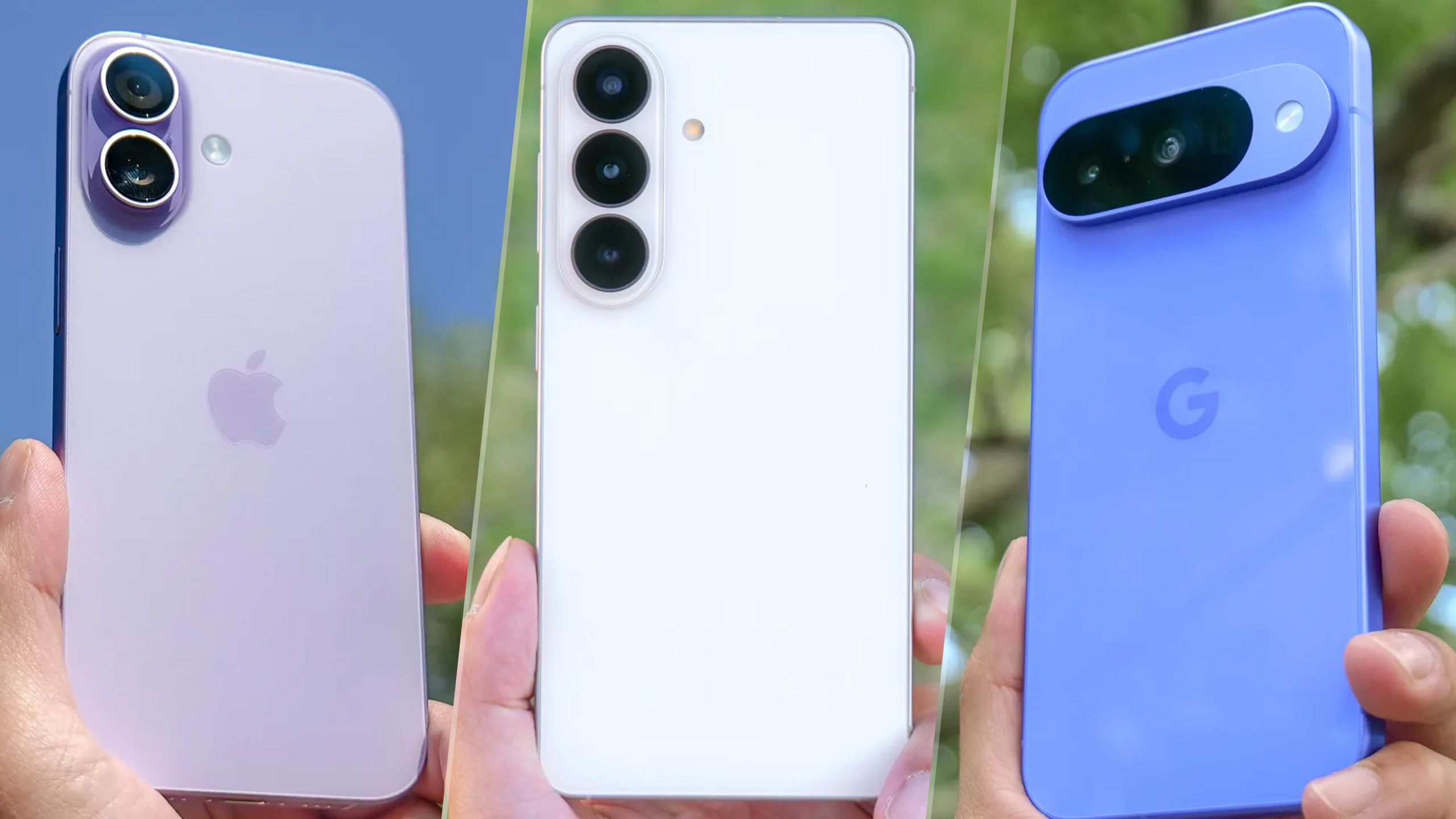
Flagship phones are the prized devices that pair bleeding-edge hardware with unmatched performance across the board. While the iPhone 18 Pro Max, Galaxy S26 Ultra, and Pixel 11 Pro XL lead the way as some of the best phones you can buy, you don’t always need to spend $1,299 or more to get a top-tier experience. That’s why I’m turning my attention to their slightly more accessible siblings.
I’ve spent months testing the iPhone 17, Galaxy S26, and Pixel 11, putting them through different matchups and photo face-offs — all to see how they perform against one another. Normally, these base flagships represent the sweet spot for shoppers looking to save money without sacrificing core performance, flagship cameras, or robust software suites. But given the recent price hikes across the board, their value propositions have shifted.
If your budget is dead set at under $1,000, choosing the right daily driver comes down to more than just looking at a spec sheet or briefly checking them out tethered at a carrier store. I’m breaking down where each model shines, where they fall short, and which $899 phone is truly worth buying.
iPhone 17 vs. Galaxy S26 vs. Pixel 11: Specifications
Swipe to scroll horizontally
| Header Cell – Column 0 |
iPhone 17 |
Galaxy S26 |
Google Pixel 11 |
|---|---|---|---|
|
Price |
$899 |
$999 |
$899 |
|
Display |
6.3-inch Super Retina XDR (2,622 x 1,206) |
6.3-inch AMOLED (2,340 x 1,080) |
6.3-inch Actua OLED (1,080 x 2,424) |
|
Refresh Rate |
up to 120Hz |
1-120Hz |
60-120Hz |
|
Chipset |
A19 |
Snapdragon 8 Elite Gen 5 / Exynos 2600 |
Tensor G6 |
|
RAM |
8GB |
12GB |
12GB |
|
Storage |
256GB, 512GB |
256GB, 512GB |
256GB, 512GB |
|
Rear cameras |
48MP main (f/1.78), 48MP ultrawide (f/2.2) |
50MP (f/1.8) main, 12MP (f/2.2) ultrawide, 10MP (f/2.4) telephoto w/3x optical zoom |
48MP (f/1.7) main, 13MP (f/2.2) ultrawide, 10.8MP (f/3.1) telephoto w/5x optical zoom |
|
Front camera |
18MP (f/1.9) |
12MP (f/2.2) |
10.5MP (f/2.2) |
|
Battery |
3,692 mAh |
4,300 mAh |
4,985 mAh |
|
Charging Speeds |
35W wired, 25W wireless (MagSafe) |
25 wired, 15W wireless |
30W wired, 25W wireless |
|
Construction Rating |
IP68 |
IP68 |
IP68 |
|
Size |
5.89 x 2.81 x 0.31 inches |
5.89 x 2.82 x 0.28 inches |
6 x 2.8 x 0.3 inches |
|
Weight |
6.24 ounces |
5.89 ounces |
6.9 ounces / 197g |
|
Colors |
Black, White, Mist Blue, Sage, Lavender |
Cobalt Violet, Sky Blue, Black, White (online exclusive: Silver Shadow, Pink Gold) |
Frost, Pistachio, Hibiscus, Obsidian |
Apple iPhone 17: The good and bad
Image 1 of 5
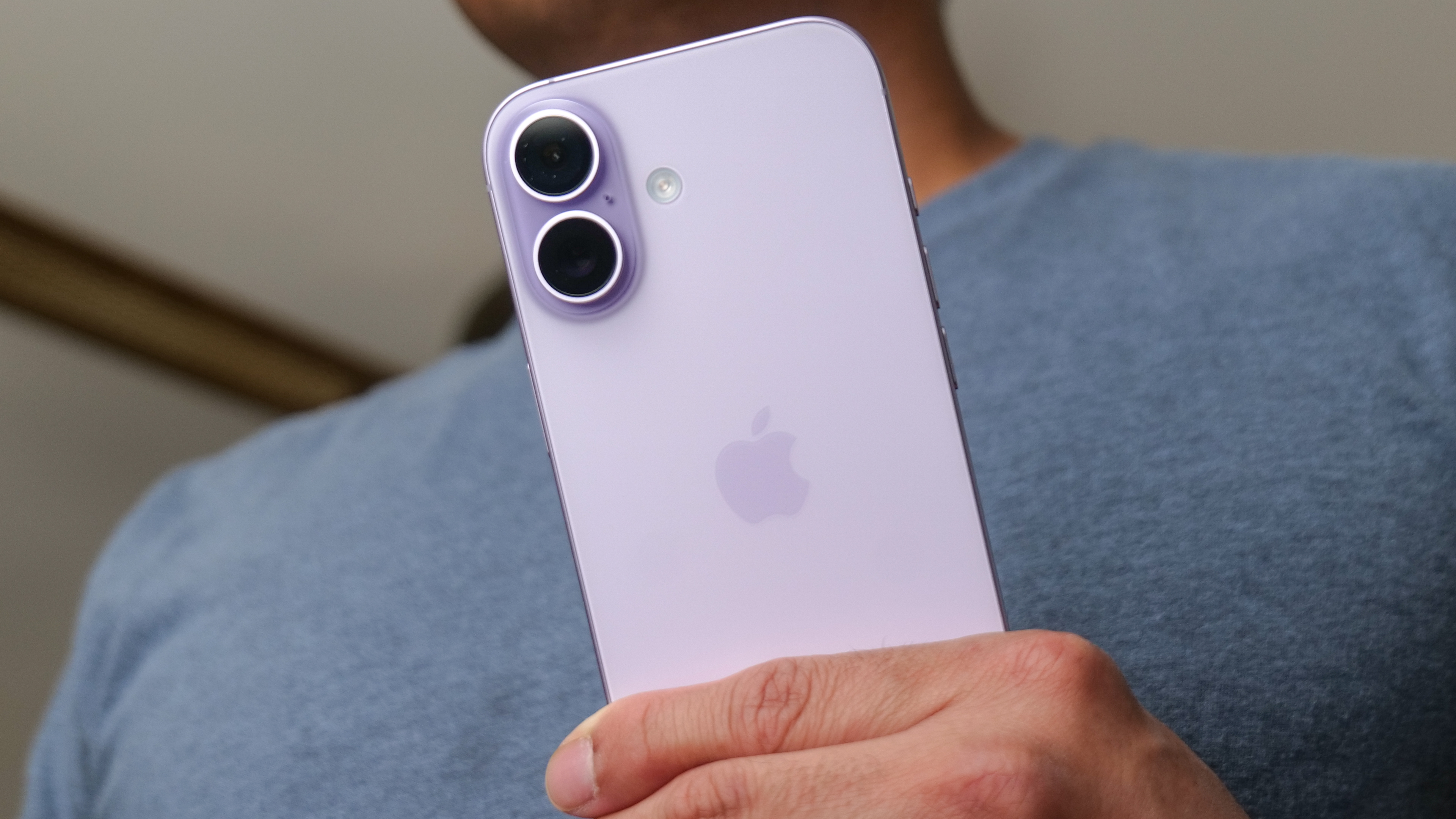
Despite being the oldest contender in this lineup, launching back in the fall of 2025, the iPhone 17 remains one of the best values in Apple’s catalog. It is still available due to how the company shifted its release schedule this past September to launch the iPhone 18 Pro, iPhone 18 Pro Max, and iPhone Duo first — with the iPhone 18 rumored to launch early next year alongside the iPhone 18e.
When it launched, it came with an attractive $799 starting cost that I specifically noted offered one of the best bang-for-the-buck values around. But it’s since been given a $100 price hike that now puts it at $899, which is shocking considering how phones tend to get price drops a year after they’re launched — and not the other way around.
Still, the iPhone 17 represents the biggest leap forward for an entry-level iPhone in years over the previous iPhone 16. Apple finally ditched the sluggish 60Hz panel in favor of a buttery-smooth 120Hz ProMotion display, all while doubling the base storage to 256GB.

Apple’s A19 chip is a generation behind the latest silicon, but it hasn’t missed a beat in my testing. Apps continue to launch instantaneously, and UI animations are just as fluid as ever with iOS 27, plus it handles demanding games without breaking a sweat.
Obviously, the new software brings more Apple Intelligence features and the new Siri AI. As much as I appreciate them, however, Siri still doesn’t have the same level of functionality that I get from Gemini. For example, most of its cross-app functions are limited to native apps — and not third-party ones.
Image 1 of 21

When it comes to taking photos and video, its 48MP main camera continues to lead the way — consistently delivering crisp shots and holding its own remarkably well under low-light conditions. It’s paired with a 48MP ultrawide, but all zoom is handled by the main camera through sensor and digital cropping. As a result, it lacks the power to resolve fine details compared to its rivals.
Overall, I still like the iPhone 17, and it still saves you money over the $1,099 iPhone 18 Pro. Given the price hike for a year-old model, though, it’s hard to recommend at this point unless you intend on staying in the Apple ecosystem.
Samsung Galaxy S26: The good and bad
Image 1 of 5

Just like Apple, Samsung upped the price of its base Galaxy S26 flagship model — going from $899 when it launched this past January to a whopping $999 now. This is a tougher pill to swallow because the previous Galaxy S25 was $799, meaning there was already a $100 price hike for the S26, and it’s technically $200 more than its predecessor.
Still, it’s worth mentioning that Samsung at least doubled the base storage to 256GB. And if that’s not enough, it gets the same chip as its pricier Galaxy S26 Ultra sibling: the Snapdragon 8 Elite Gen 5 for Galaxy. That translates to heavyweight gaming performance and effortless multitasking on its 6.3-inch 120Hz AMOLED display, which hits a blinding 1,950 nits in our testing and remains visible under the midday sun.

What makes the package more satisfying are Samsung’s ambitious new Agentic AI features and One UI 8.5 upgrades, including genuinely helpful additions like the new Photo Assist tools, which let me describe what photo edits I want to make on an image, and Now Nudge, which makes the phone feel more proactive in daily use. With Google Gemini on board, I’ve even used the AI to place a Dunkin’ Donuts order via DoorDash — all through a simple voice command.
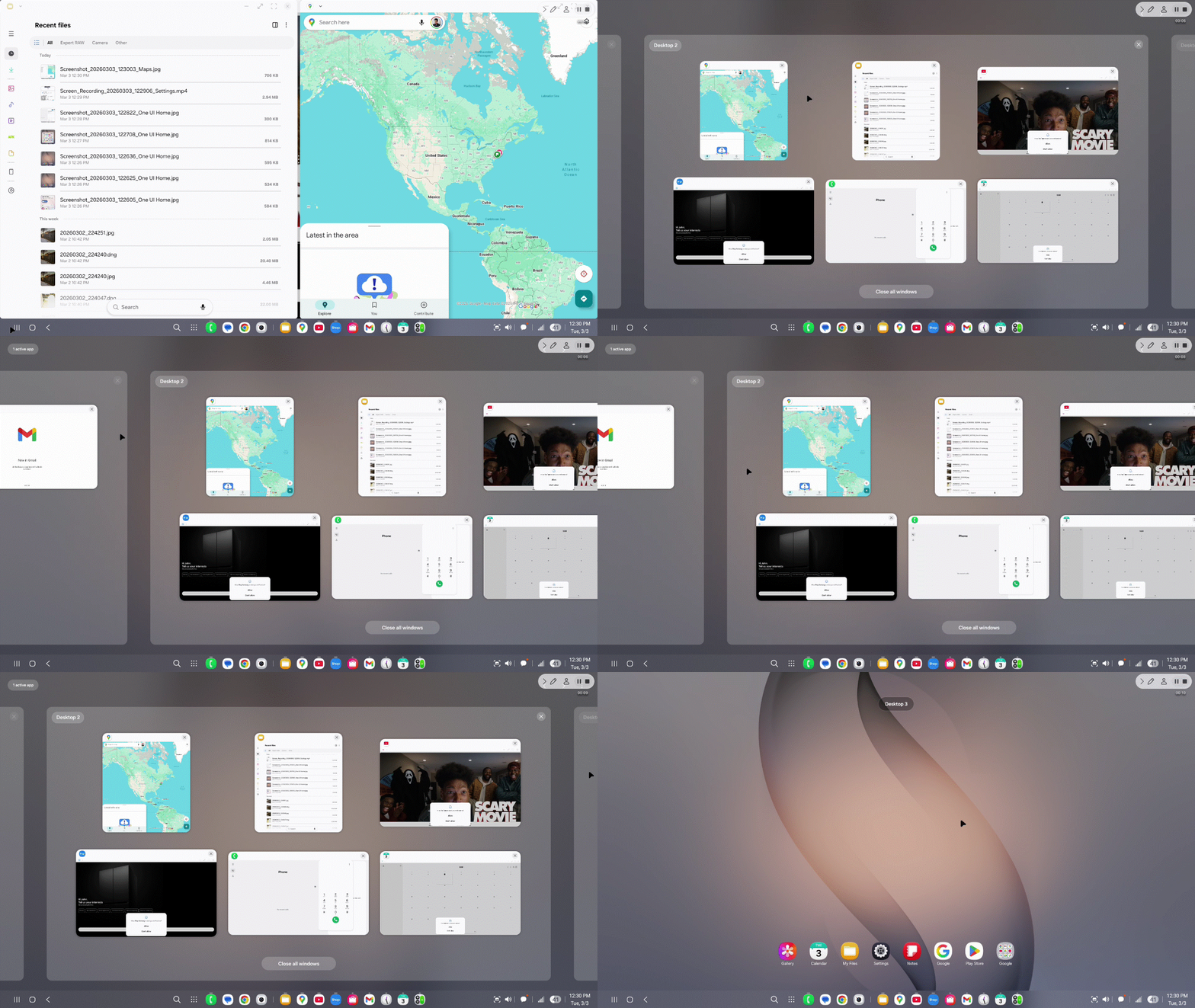
I also love how the Galaxy S26 is the productivity workhorse of the trio, offering intuitive side-by-side app multitasking on the phone and greater flexibility with Samsung DeX. The latter’s really helpful because I can get a PC-like experience when I connect it to an external monitor, which isn’t something I can do with the iPhone 17.
Image 1 of 11

On the camera front, Samsung mostly stuck with the same triple-camera hardware as before — a 50MP main sensor, 12MP ultrawide, and 10MP telephoto with 3x optical zoom. While still photos don’t represent a massive leap over last year, having a dedicated telephoto lens gives it a clear zoom advantage over the iPhone 17. For video shooters, I love the new Horizon Lock video stabilization and how it keeps handheld footage dead level no matter how much I jostle or tilt the phone while shooting.
There are still areas for improvement with the Galaxy S26, like its shorter battery life and a boring design that has been recycled countless times with minimal changes. However, the thing that stings the most is its $999 price tag. Sure, it’s one of the most well-rounded devices here, combining compelling hardware with a superb software suite, but it’s harder to love when it’s the most expensive phone in this matchup.
Google Pixel 11: The good and bad
Image 1 of 5
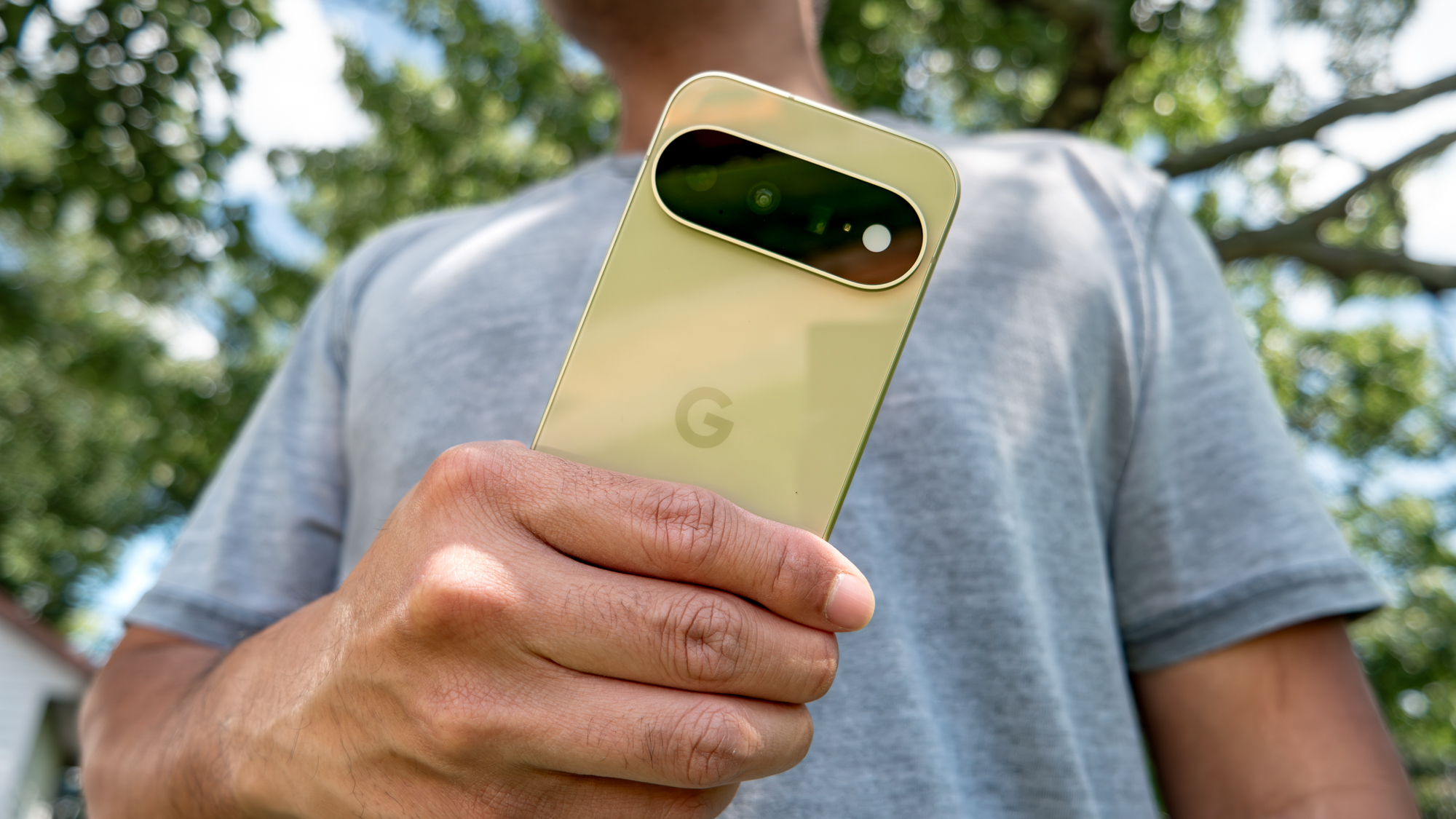
First and foremost, the Google Pixel 11 is technically the latest release out of the bunch and remains highly competitive with an $899 starting cost — up from the Pixel 10’s $799 price. At least Google softens the blow by doubling the starting storage to 256GB.
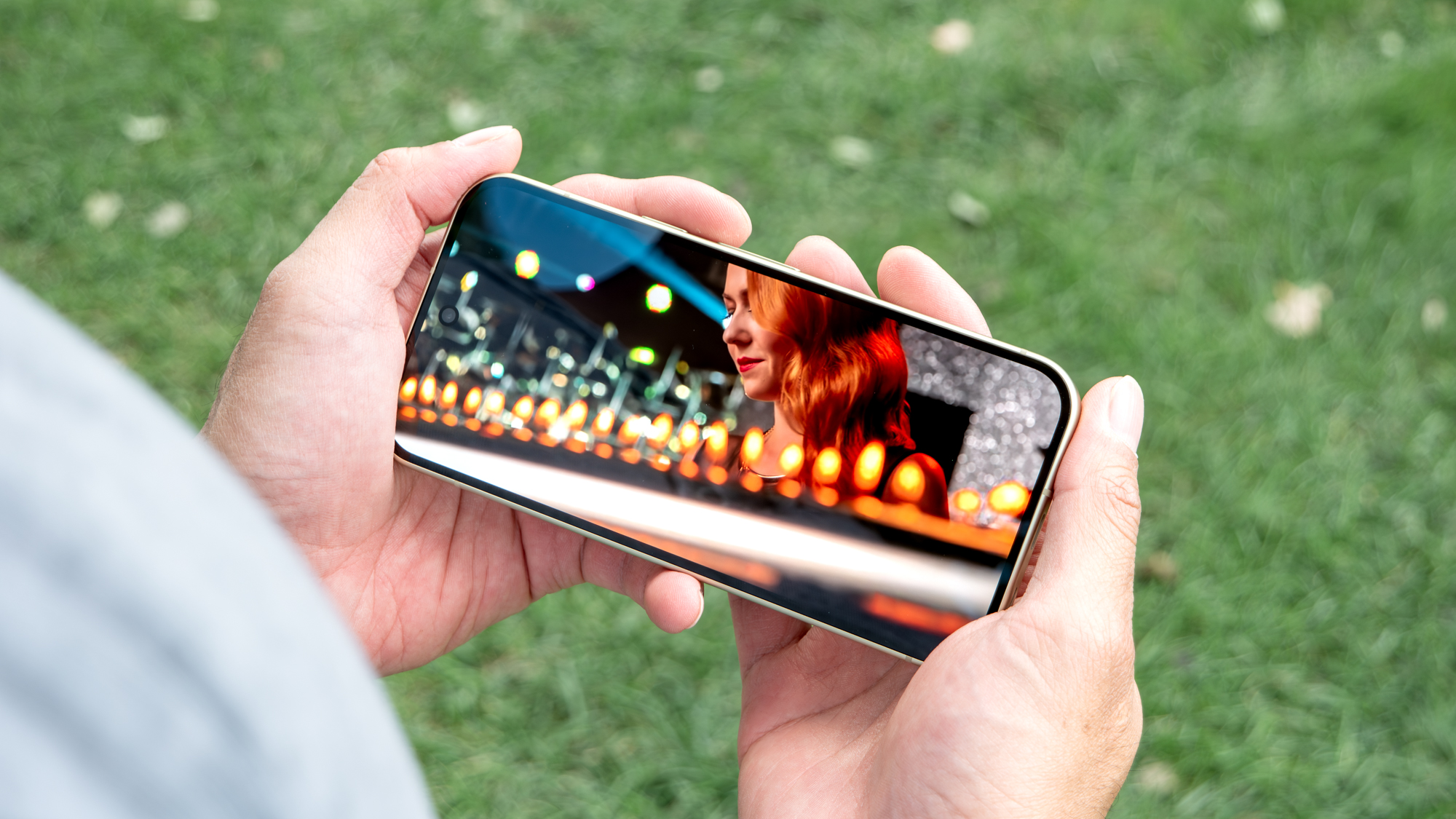
Beyond that, however, the core hardware barely changes from last year. It retains a solid, durable design with a 40% thinner camera bar that sits virtually flush in a case, and its 6.3-inch Actua OLED display is remarkably bright — hitting 2,480 nits in our testing. Plus, with built-in PixelSnap charging, it matches the iPhone 17 in offering native magnetic wireless charging without the need for an add-on case.
Where the Pixel 11 stumbles, though, is raw performance. Even though the Tensor G6 is the newest chip in this matchup, it still trails both the A19 and Snapdragon 8 Elite Gen 5 in benchmarks and graphics processing. Google tries to make up for it with software, rolling out genuinely useful Gemini AI features like Rambler voice dictation, Proactive Assistance, and a revamped Pixel Desktop Mode that rivals Samsung DeX when I hook it up to an external monitor.
Image 1 of 16

On the camera side, Google stuck with the same triple-camera hardware as before — a 48MP main sensor, 13MP ultrawide, and a 10.8MP telephoto lens. While everyday shots look nearly identical to the Pixel 10, having a dedicated 5x optical zoom gives it the strongest zoom performance in this trio, effortlessly outreaching the Galaxy S26’s 3x lens and the iPhone 17’s digital crop.
New camera tools that I appreciate include Magic Capture, which leans on AI to pick out picture-perfect shots for me so I can remain immersed in the moment. Another helpful tool, Creator Suite, makes it even easier to vlog and record selfie videos thanks to a built-in teleprompter. The Pixel 11 isn’t perfect, but its $899 price tag makes it hard to resist.
iPhone 17 vs. Galaxy S26 vs. Pixel 11: Benchmarks
iPhone 17 vs. Galaxy S26 vs. Pixel 11: Display tests
Swipe to scroll horizontally
| Row 0 – Cell 0 |
Peak brightness (nits) |
sRGB (%) |
DCI-P3 (%) |
Delta-E color accuracy (lower is better) |
|
iPhone 17 |
1,505 |
111.3 |
80.2 |
0.20 |
|
Galaxy S26 |
1,950 |
147 (Vivid) / 128.9 (Natural) |
104.1 (Vivid) / 91.3 (Natural) |
0.24 (Vivid) / 0.23 (Natural) |
|
Pixel 11 |
2,480 |
122.3 (Adaptive) / 106.9 (Natural) |
86.6 (Adaptive) / 75.7 (Natural) |
0.24 (Adaptive) / 0.21 (Natural) |
All three phones feature crisp 6.3-inch displays with up to a 120Hz refresh rate, making them equally smooth for scrolling and gaming. However, our lab testing reveals a huge gap in peak brightness. The Pixel 11 easily takes the crown at 2,480 nits, noticeably outshining the Galaxy S26 at 1,950 nits and leaving the iPhone 17 trailing at 1,505 nits.
Under direct sunlight, the Pixel 11 is far easier to read without forcing me to shade it with my hand, whereas the iPhone 17 can look significantly dimmer by comparison.
iPhone 17 vs. Galaxy S26 vs. Pixel 11: Performance tests
Swipe to scroll horizontally
| Row 0 – Cell 0 |
iPhone 17 |
Galaxy S26 |
Pixel 11 |
|
Chipset |
A19 |
Snapdragon 8 Elite Gen 5 |
Tensor G6 |
|
Geekbench 6 (single-core/multi-core) |
3,701 / 9,460 |
3,531 / 10,778 |
2,664 / 7,347 |
|
3DMark Wild Life Original Unlimited (score/fps) |
21,873 / 130.97 |
28,548 / 171.6 |
14,074 / 84.28 |
Personally, I think all three phones feel snappy enough for everyday tasks such as browsing, streaming, and jumping between apps. Our benchmark testing, however, shows a clear powerhouse amongst the trio.
The Galaxy S26’s Snapdragon 8 Elite Gen 5 takes the overall performance crown, leading the pack in Geekbench 6 multi-core testing with a score of 10,778 and dominating graphics with 28,548 (171.6 fps) in 3DMark Wild Life Original Unlimited. The iPhone 17’s older A19 chip holds its own remarkably well, while the Pixel 11’s Tensor G6 regrettably falls behind despite being the newest silicon in this trio.
This doesn’t mean the Pixel 11 feels sluggish in casual tasks, but if you play graphics-intensive games or push your phone with heavy video editing, the Galaxy S26 and iPhone 17 give you better sustained performance.
iPhone 17 vs. Galaxy S26 vs. Pixel 11: Battery and charging tests
Swipe to scroll horizontally
|
Average Battery life (Hrs:Mins) |
Charging % in 15 minutes |
Charging % in 30 minutes |
|
|
iPhone 17 |
12:47 |
39% |
71% |
|
Galaxy S26 |
11:28 |
29% |
57% |
|
Pixel 11 |
12:45 |
27% |
52% |
When it comes to battery endurance, the iPhone 17 and Pixel 11 are virtually neck and neck, while the Galaxy S26 trails behind. In our battery benchmark test, the iPhone 17 edges out the win at 12 hours and 47 minutes, closely followed by the Pixel 11 at 12 hours and 45 minutes. Meanwhile, the Galaxy S26 lags more than an hour behind at 11 hours and 28 minutes.
The iPhone 17 widens its lead when it’s time to plug in as well. In fact, it reaches 39% in 15 minutes and 71% after 30 minutes of wired charging. By comparison, the Galaxy S26 hits 29% at the 15-minute mark and 57% in 30 minutes, while the Pixel 11 gets to 27% and 52%, respectively.
iPhone 17 vs. Galaxy S26 vs. Pixel 11: Bottom Line
Image 1 of 3

After putting them through their paces, I would actually recommend buying the Google Pixel 11. Price hikes across the board make these phones a tougher value proposition than they used to be, but the Pixel 11 delivers the most well-rounded experience for the money.
It’s not the fastest phone on paper, nor does it charge the quickest. However, it easily outshines the competition with the brightest display in direct sunlight, solid real-world all-day battery life, and the most versatile camera system, thanks to its dedicated 5x optical zoom and genuinely useful Creator Suite tools.
Throw in built-in PixelSnap magnetic charging, Pixel Desktop Mode, and the smartest Gemini AI features at my disposal, and the Pixel 11 gives you the best bang for your buck without forcing you to spend over $1,000.

Follow Tom’s Guide on Google News and add us as a preferred source to get our up-to-date news, analysis, and reviews in your feeds. Subscribe to Tom’s Guide on YouTube and follow Tom’s Guide Entertainment on TikTok and Instagram.
More from Tom’s Guide
- After spending three months testing iOS 27, these 5 features are my absolute favorite
- From Stolen Device Protection to iOS 27’s new Impersonation Risk Detection, here are 5 iPhone security settings you need to turn on right now
- Is your iPhone listening to you? The ‘live listen’ setting you should check right now
Next Badge:
More Comments/Likes Until Your Next Badge