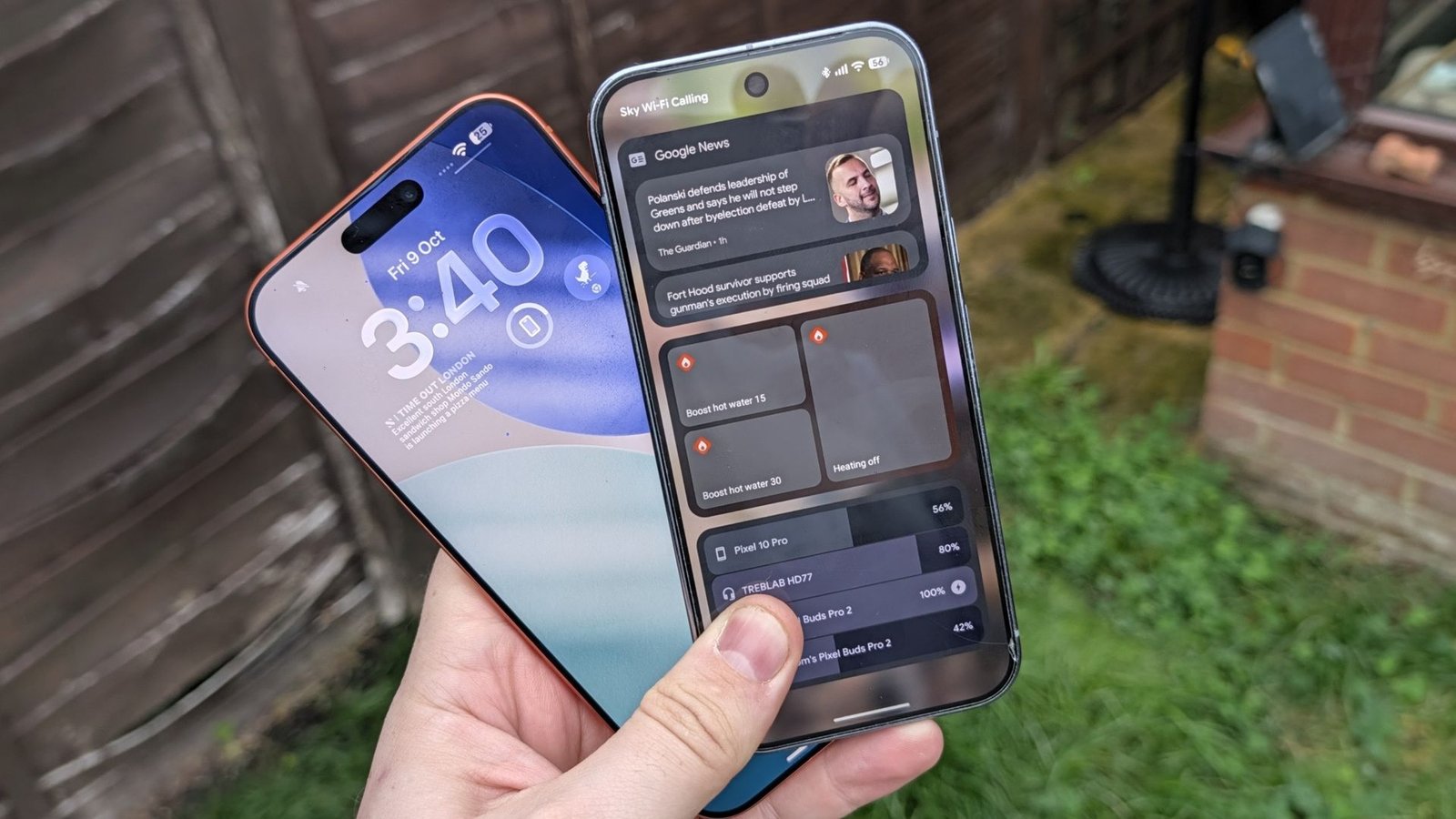
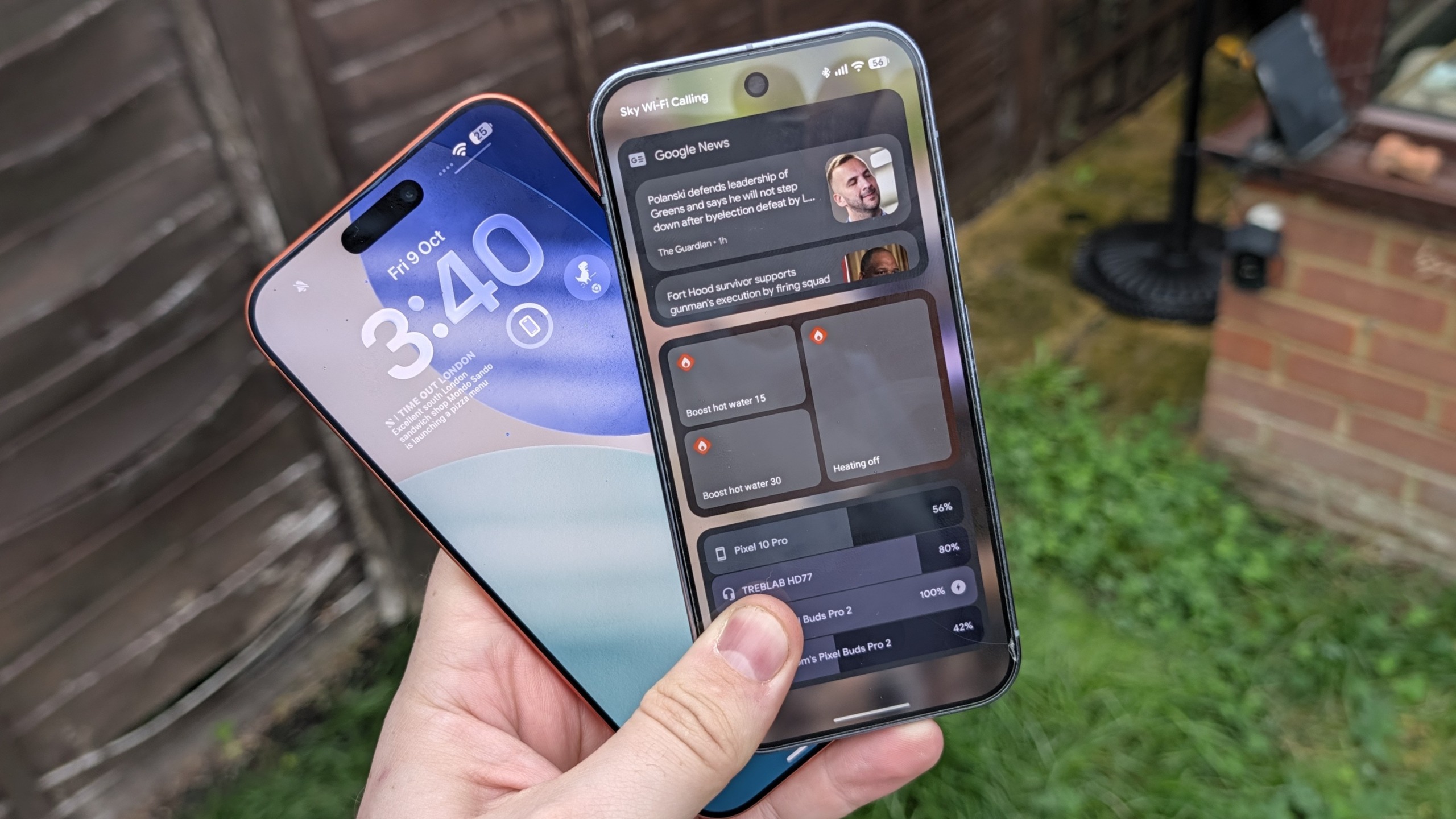
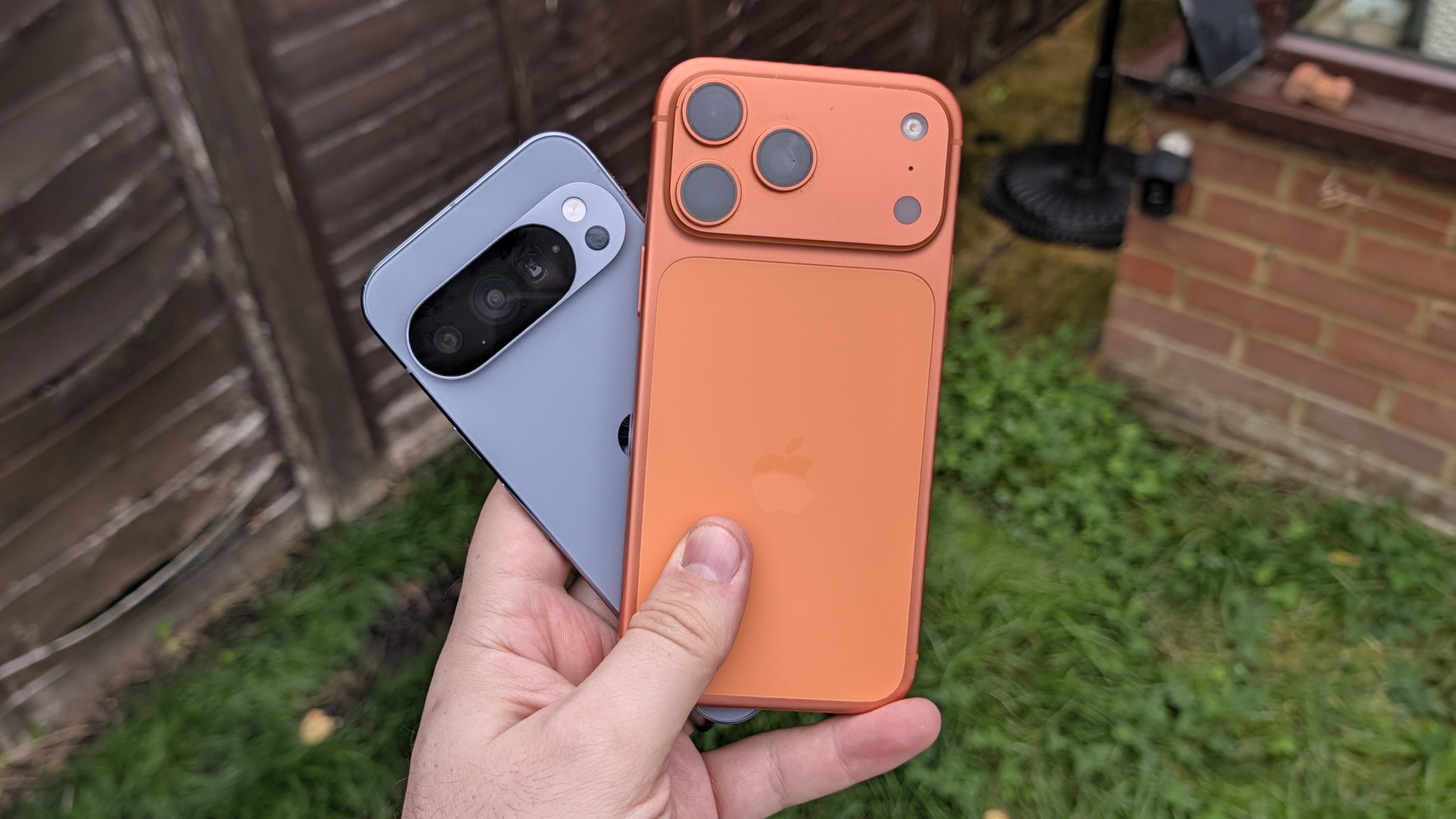
Android may have been the king of widgets for a very long time, beating Apple to the punch by several years, but the same can’t be said about offering them on the lock screen. Lock screen widgets were available until Android 5, at which point they were unceremoniously removed with no word on when they would come back.
I have since fixed that glaring oversight and have been getting to grips with lock screen widgets on Android, and my mind naturally started drawing comparisons to iOS.
While similar, both platforms treat lock screen widgets very differently. So which of them actually does a better job?
(Image credit: Future)
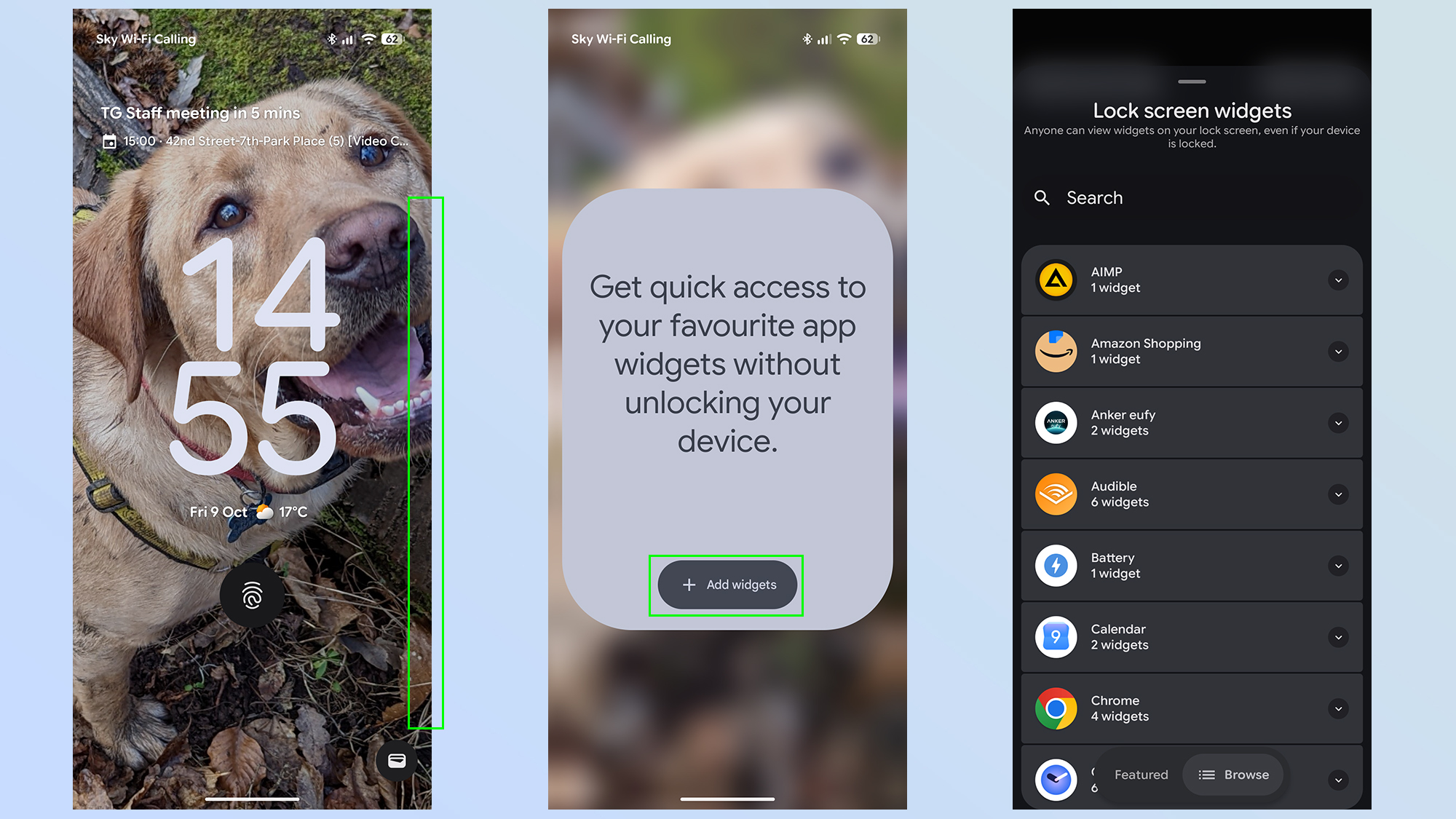
On Android, the easiest way to set up lockscreen widgets is to lock your phone, then swipe from the right side of the screen. You’ll see a large box informing you that lock screen widgets are available, and you need to tap the Add widgets button to continue.
From there the setup is almost identical to that of adding home screen widgets. Select the app of your choice and choose one of the widget designs on offer.
(Image credit: Future)
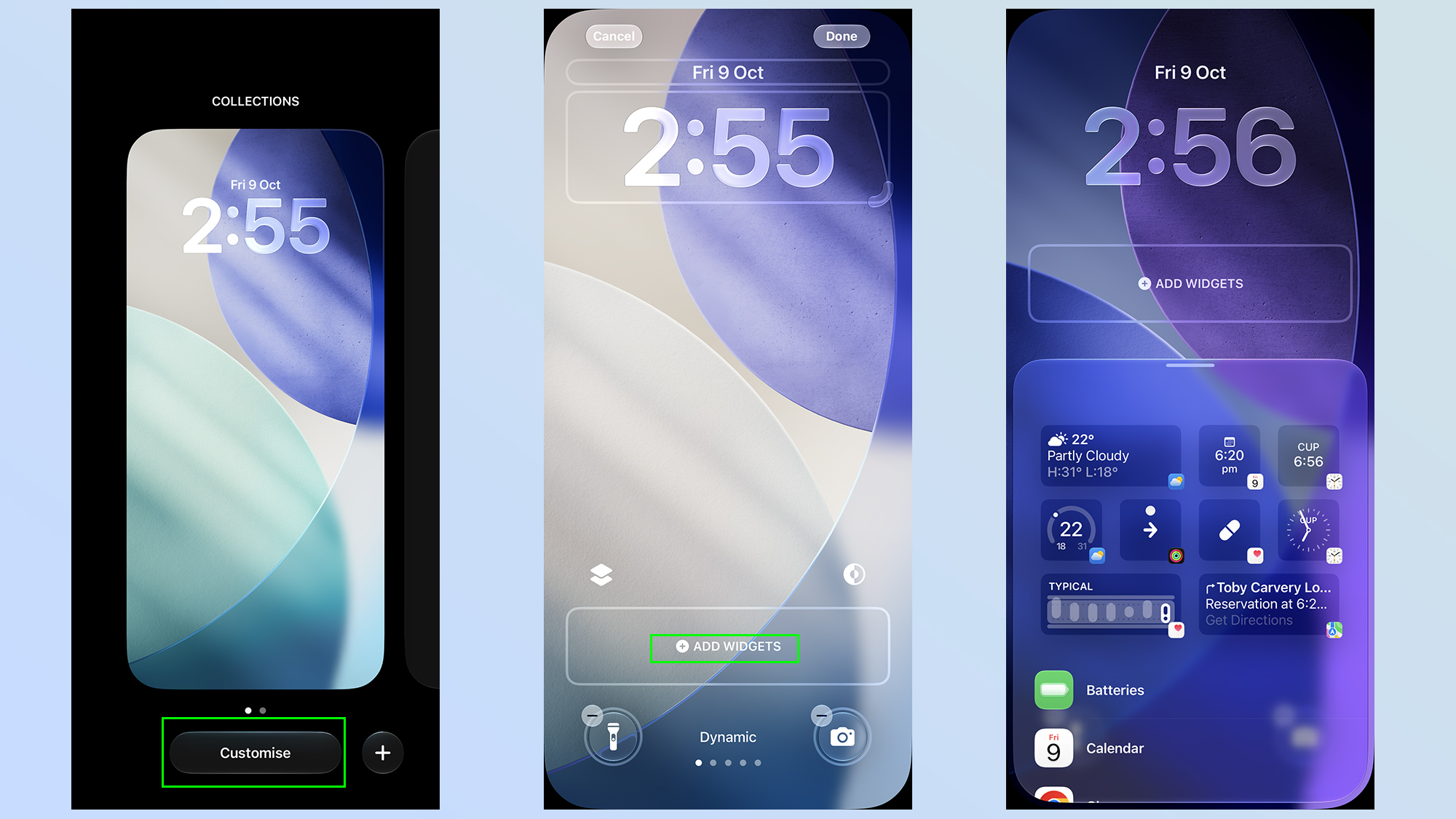
On iOS, you will need to press and hold on your lock screen, then tap the Customize option when the lock screen editor shows up.
Sign up to the Tom’s iGuide weekly newsletter with coverage on everything from product launches to software updates, this is your go-to source for the latest updates on all the best Apple content.
Once that’s done press Add widgets in the bar at the bottom of your screen, and choose the app and widget style you want to add to your widget bar.
(Image credit: Future)
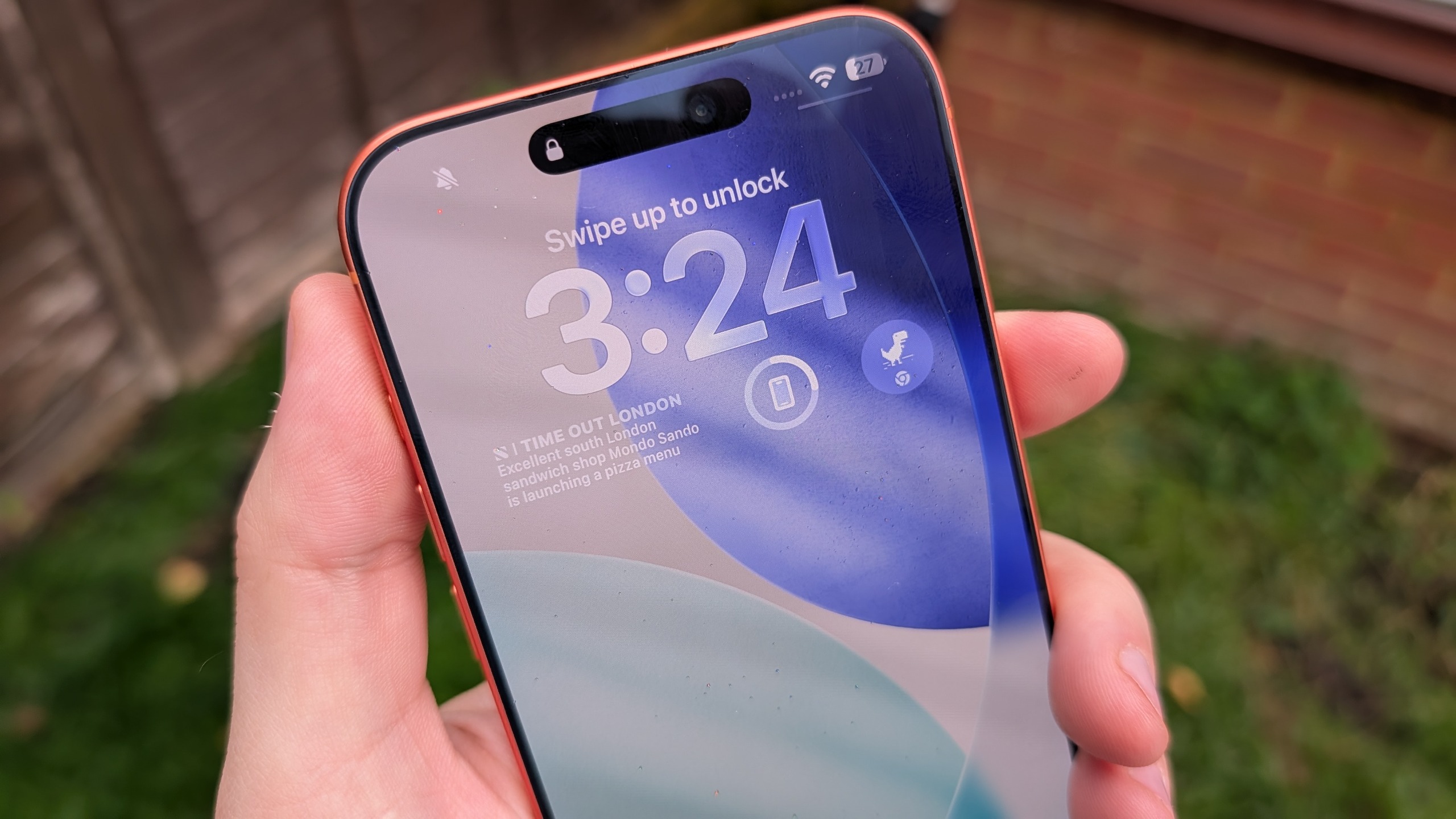
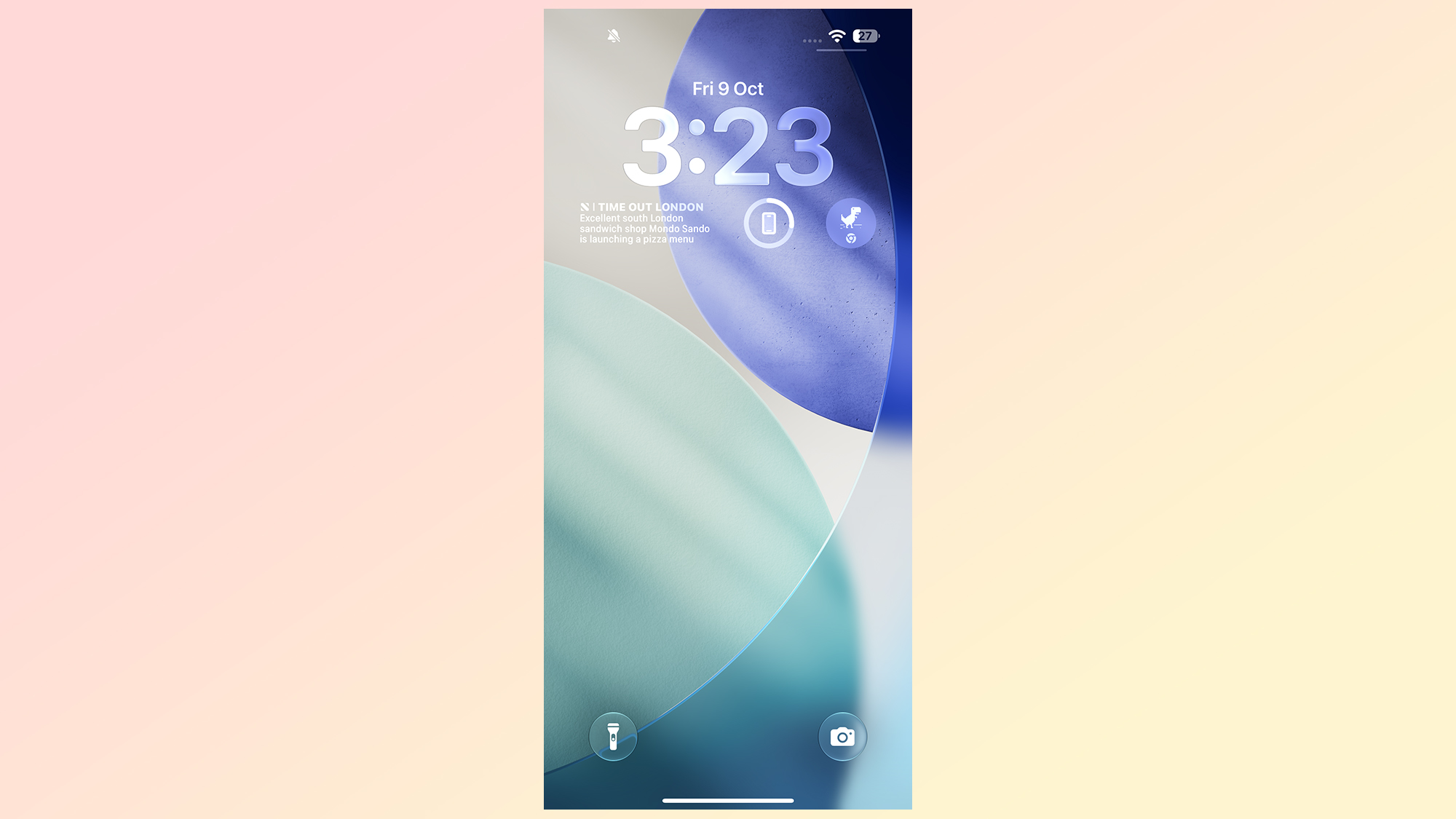
Apple’s lock screen widgets are right in your face, sitting on your locks creen where you can see them. However they are fairly limited, in that Apple only gives you a single line of the screen to work with. This means you can’t just overload your lock screen with whatever widgets you like, forcing you to be more selective about what you use.
Apple does let you make full use of that line, with equivalent space for four different tiles — or less if you select the larger widgets that take up the equivalent of two tiles. But once that line is full, you don’t get any extra space to work with.
Most of the widgets seem to be for displaying information at a glance, whether that’s time, calendar events, health metrics and other such features. There are a few other options that act as shortcuts to certain app features, including Chrome’s dinosaur minigame for some reason, but I couldn’t find anything that let me perform actions on my home screen.
(Image credit: Future)
It’s unclear whether it is dependent on the apps you have installed, so maybe I missed something out. What I do know is that everything I have was limited to visible information or the aforementioned shortcuts. Apple also seems to limit which third party apps are allowed to offer lock screen widgets, and it seems as though my smart home apps didn’t make the cut.
That means I don’t get to turn on my water heater without unlocking my phone first.
One more thing to note is that iOS lets you choose whether your lock screen’s widget bar sits at the top of the screen (under the clock) or at the bottom. There’s no in-between option, so make sure to pick the one that works best for you.
(Image credit: Future)
The funny thing about Android lock screen widgets is that it reminds of how Apple used to do widgets before iOS 14. If you think back to those days, you’ll remember that iPhones had a separate page that stored all your widgets, accessible by swiping from the left side of the home screen.
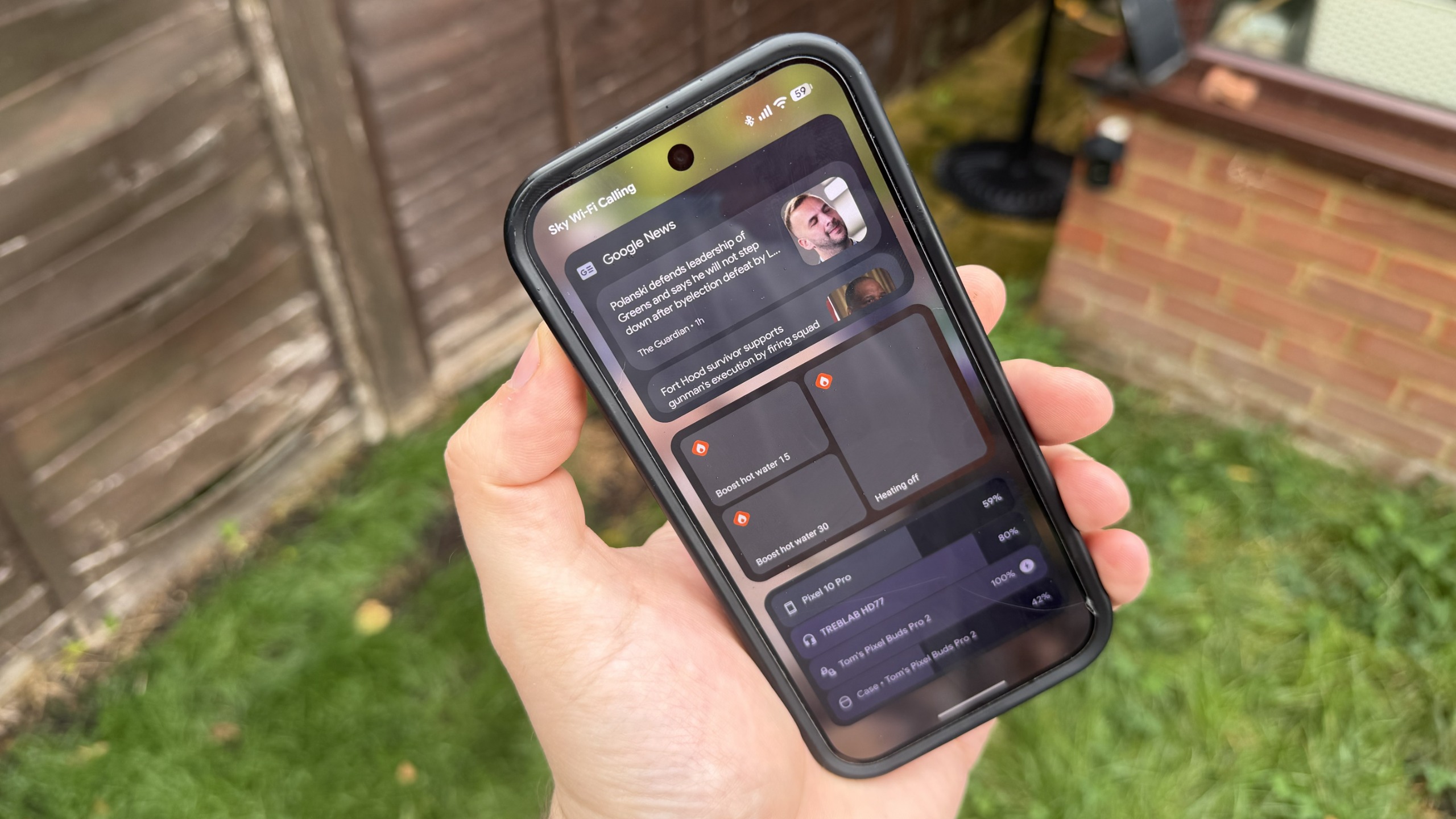
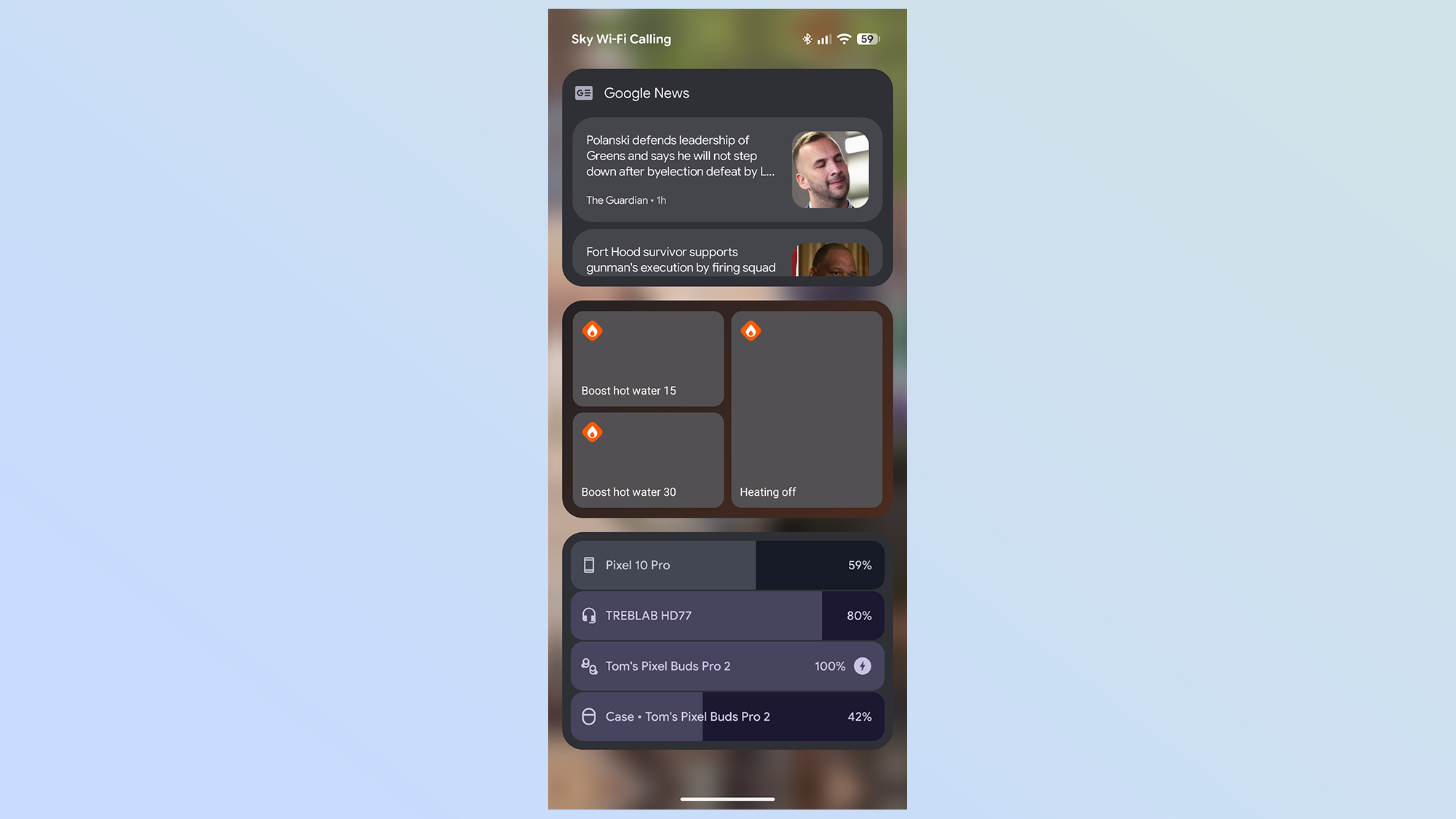
That is essentially how Android’s lock screen widgets work. You swipe from the right side of your lock screen, and all your widgets will be accessible without unlocking your phone. But rather than being a continuously scrolling feed of widgets, Android limits you to three lock screen widgets per page.
You can have multiple pages, of course, and if there’s a limit to that I haven’t managed to find it yet. So far I’ve added five pages worth of lock screen widgets, which is already more than I know what to do with.
You are limited to three widgets per page, however, and it doesn’t actually matter how big the widgets actually are. The smallest widget takes up the exact same amount of space as the largest, and you need to use up all the space before moving on.
(Image credit: Future)
Much like Android’s home screen widgets, there’s a surprising amount of variety when it comes to widget design. You get multiple choices for each widget, and the designs are similar to those you’d expect to see on your phone itself. To the point where it feels a lot like the usual Android widget experience, but accessible when your phone is still locked.
You can only see things at a glance, though. Some widgets let you access and control certain phone features, including smart home devices, accessing anything more sensitive prompts you to unlock the phone. If I want to access my calendar, emails or even something as simple as Shazam, I’ll need to unlock my phone first. While that does limit the usefulness of some widgets, I can understand why this is the case for a lot of things.
Except Shazam, not sure what that’s about — perhaps it’s something to do with microphone access?
Who does it best?
(Image credit: Future)
Both Android and iOS do lock screen widgets rather differently. Android gives you the option to have as many widgets as you like, with the added ability to perform certain actions without needing to unlock your phone.
Meanwhile iOS is a lot more limited, but seems focused on offering shortcuts to key apps, or offering important information in a way that doesn’t require you to unlock your phone to see it — potentially saving you time and battery life in the process.
With that in mind, it seems Android definitely offers more freedom and productive use of its lock screen widgets. Sadly it’s let down by the fact that it’s so easy to forget about the widgets, and end up unlocking your phone anyway. While limited in scale, iOS’s lock screen widgets are positioned front and center — making them very difficult to miss.
As feature-rich as Android lock screen widgets are, they’re a bit pointless if you keep forgetting that they’re there — and so far they haven’t been around long enough to properly integrate themselves into my day-to-day phone use. Then again, it’s not worth having in-your-face widgets if you can’t do much with them.
Honestly, it would be much better if both platforms offered a hybrid approach. More feature-rich widgets on and around the lock screen, and displayed in a way that you can’t really miss them. Keep Android’s extra pages around too, so you have plenty of space to access the widgets you need when you need them.
Tom is the Tom’s Guide’s UK Phones Editor, tackling the latest smartphone news and vocally expressing his opinions about upcoming features or changes. It’s long way from his days as editor of Gizmodo UK, when pretty much everything was on the table. He’s usually found trying to squeeze another giant Lego set onto the shelf, draining very large cups of coffee, or complaining about how terrible his Smart TV is.
Sweaty, uncomfortable nights have met their match in the Orion Sleep System, a smart mattress cover that uses subtle water tubes to cool and heat your bed as you sleep. It kept my mattress at the perfect neutral feel throughout seasonal temperature fluctuations, ensuring I never once woke up with a clammy neck and kicked off covers. At $2,399 for a queen it’s cheaper than its rivals and no subscription is required, making it a more affordable take on overheating (although, admittedly, still expensive.)
Reasons to buy
+
Active temperature control to prevent night sweats
+
Dual controls keep both sides of the bed comfortable
+
Easy to set up and use
+
Detailed sleep tracking available
+
Cheaper than the alternatives
Reasons to avoid
–
Control Tower makes a low-level ‘hum’ that some might find distracting
–
Sleep tracking is basic
–
Limited sizes
Why you can trust Tom’s Guide Our writers and editors spend hours analyzing and reviewing products, services, and apps to help find what’s best for you. Find out more about how we test, analyze, and rate.
Orion Sleep System review: Review in brief
After a blisteringly hot summer I jumped at the chance to test the Orion Sleep System, a smart mattress cover that promises active temperature regulation. Recent tropical nights have made me uncomfortably aware of how important temperature is for sleep, so can the Orion’s smart cooling earn it a place among the best smart beds?
Orion Sleep System Specs
Type: Smart mattress cover and hub Fits: 10″-16″ tall mattresses Sizes: 3 (Queen to Cal king) Trial period: 30 nights Warranty: 2 years (upgrade to 5 years for $399) Shipping: Free Price: From $2,395 at Orion
First, let’s get this out of the way: this is not a mattress, it’s a mattress cover. Head to our best mattress guide if you want a full bed. Fitted with smart sensors and water tubes, the Orion slips over your current mattress. It also comes with a bulky control hub that sits by the side of the bed.
During the night the Orion subtly adjusts the temperature of your mattress. It’s not chilly and it’s not warm — it’s the perfect neutral temperature for sleep. The Orion delivers comfort you hardly notice, until you realize you’ve gone weeks without sweaty mornings and kicking the covers off. And the dual-temperature regulation means each side of the bed can enjoy a targeted feel.
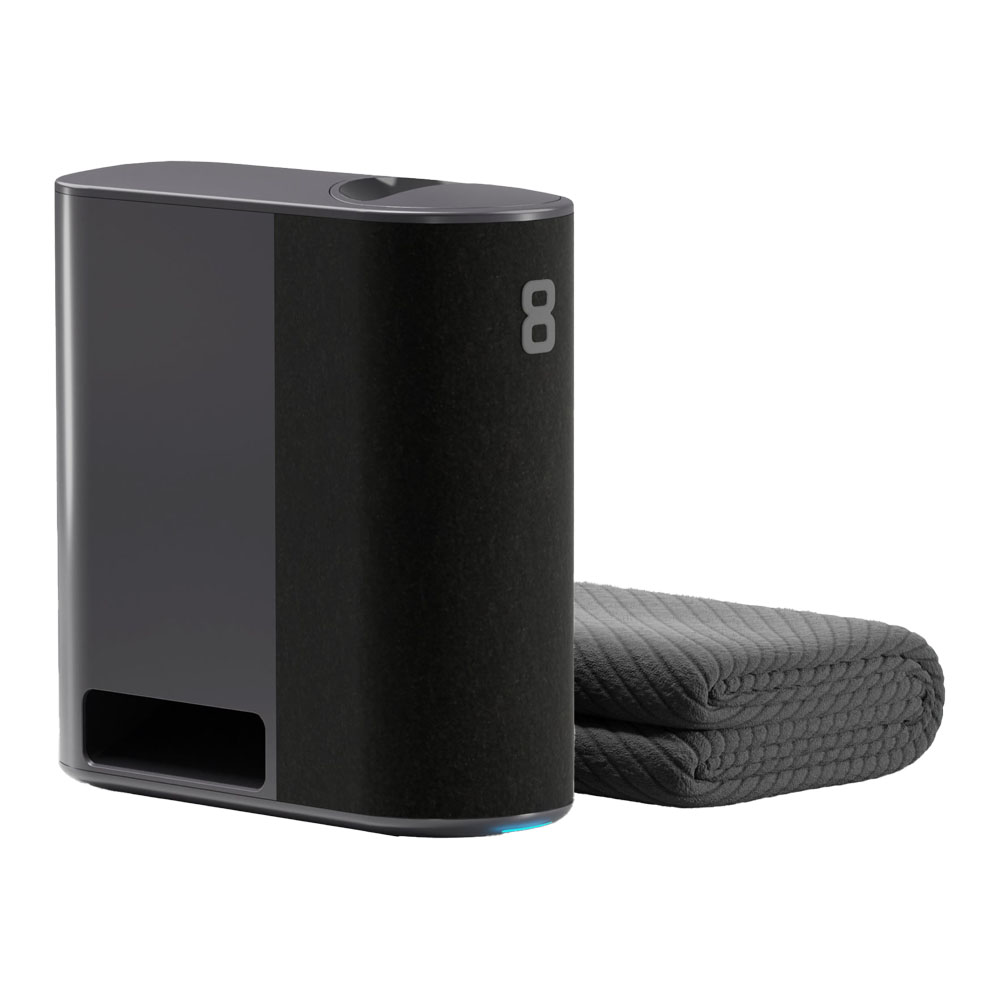
At $2,395 for a queen from Orion, the Sleep System is expensive. But compared to the Eight Sleep Pod 6 ($2,899 for a queen), it’s something of a bargain. Particularly as you don’t need a subscription to use the Orion. (An Orion subscription unlocks access to the sleep tracking but, from my experience, there are better options out there.)
So it might be pricey but on some hot nights, the Orion has completely transformed the feel of my mattress. Here’s everything you need to know.
(Image credit: Future)
Orion Sleep System review: Price & trial
The Orion is a premium mattress cover, starting at $2,395
Optional $250/year subscription grants access to sleep tracking
A 30-night trial and 2-year warranty are included
The Orion is a pricey piece of sleep tech, particularly as it’s just a mattress cover — there’s no mattress included. (Head to our best mattress in a box guide for a compatible option.)
It’s also only available in limited sizes. Here’s how much you can expect to pay for each one:
Tom’s Guide: Direct to Your Inbox
Get instant access to breaking news, the hottest reviews, great deals and helpful tips.
Queen MSRP: $2,395
King MSRP: $2,595
California King MSRP: $2,695
Orion positions itself as a more affordable alternative to the Eight Sleep… so reading that price list might raise a few eyebrows. But with a queen Pod 6 $2,899 at Eight Sleep, you are making a notable saving by opting for the Orion (although you do sacrifice a few features along the way — more on that later.)
The big difference isn’t in the initial cost, however. Eight Sleep requires a monthly subscription to use. Orion can be accessed subscription free. And with Eight Sleep’s Autopilot app starting at $17 a month, that can become a significant saving over time.
If you do want to add the Orion Intelligence sleep tracking service, it’s an additional $250 a year. That’s a fairly average price for a wellness tracker, although the Orion has limited functionality.
Orion does offer regular deals in the mattress sales, so look out for savings of $200+. You’ll also get a 30-night trial and a 2-year warranty (which you can extend to 5 years for $399.) This is on the low side for a piece of sleep tech but not unusually so — Eight Sleep offers something similar.
During the night Orion’s Sleep System heats and cools to keep you at a comfortable temperature. It’s a smart piece of tech with a high price tag, starting at $2,395 for a queen (smaller sizes aren’t available currently.) A 30-night trial and 2-year warranty are included, and you can add sleep tracking for an extra $250 a year.
Orion Sleep System review: Materials & Design
The Sleep System comes in two parts: a control hub and a cover
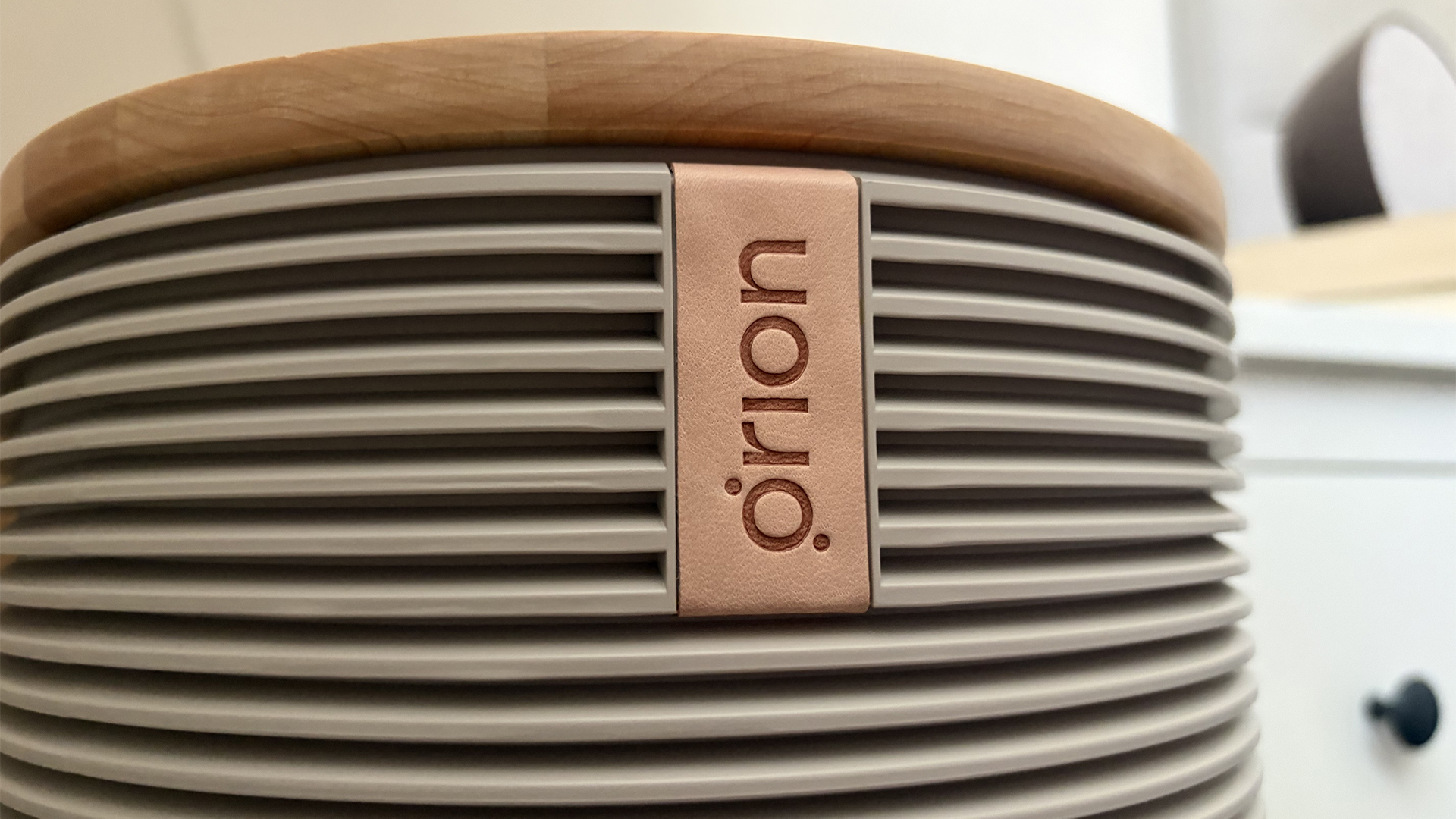
The control hub has an elegant look but a bulky footprint
The padded cover is fitted with water tubes and is soft to the touch
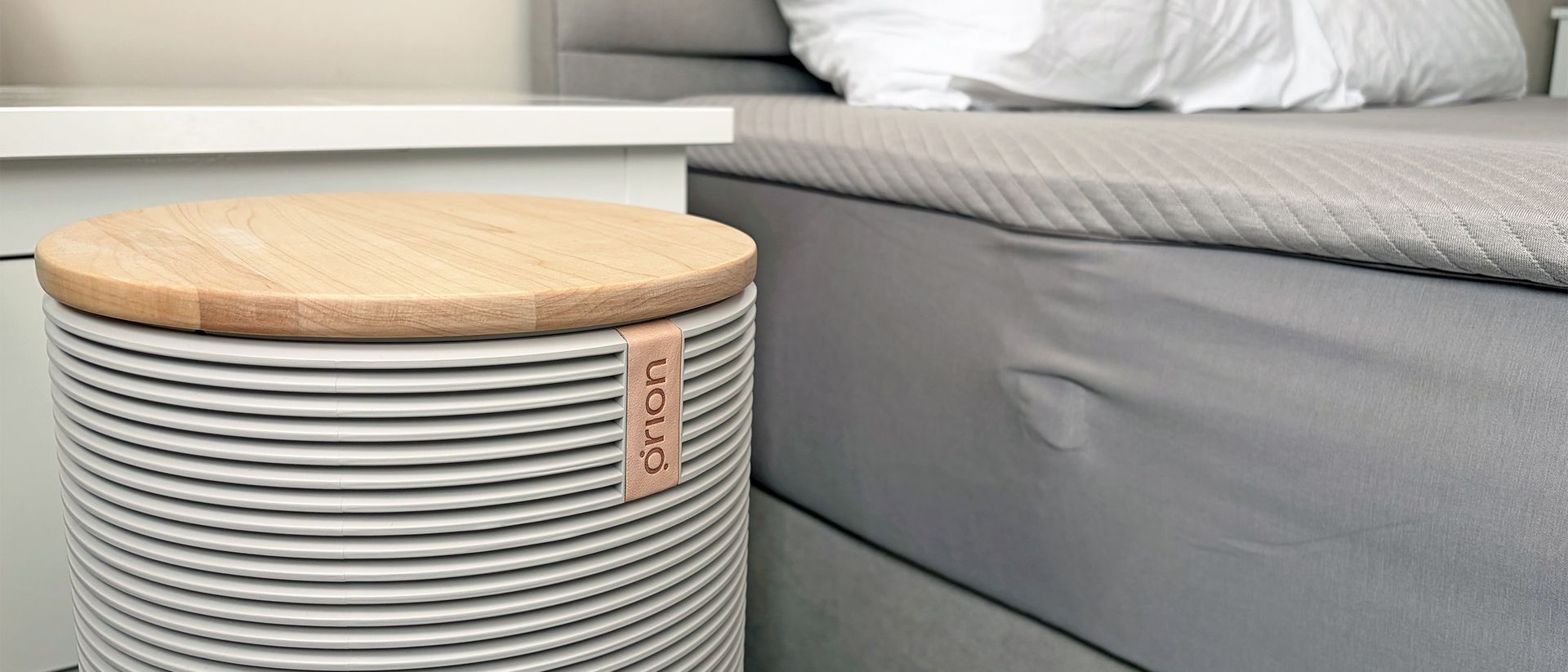
The Orion Sleep System consists of two parts. First, the Control Tower. This is the central hub of the Orion, attaching to the cover via a tube. The Control Tower is filled with water which circulates around the cover to change the temperature throughout the night. It’s a bulky piece of equipment but the neutral design will suit most bedrooms
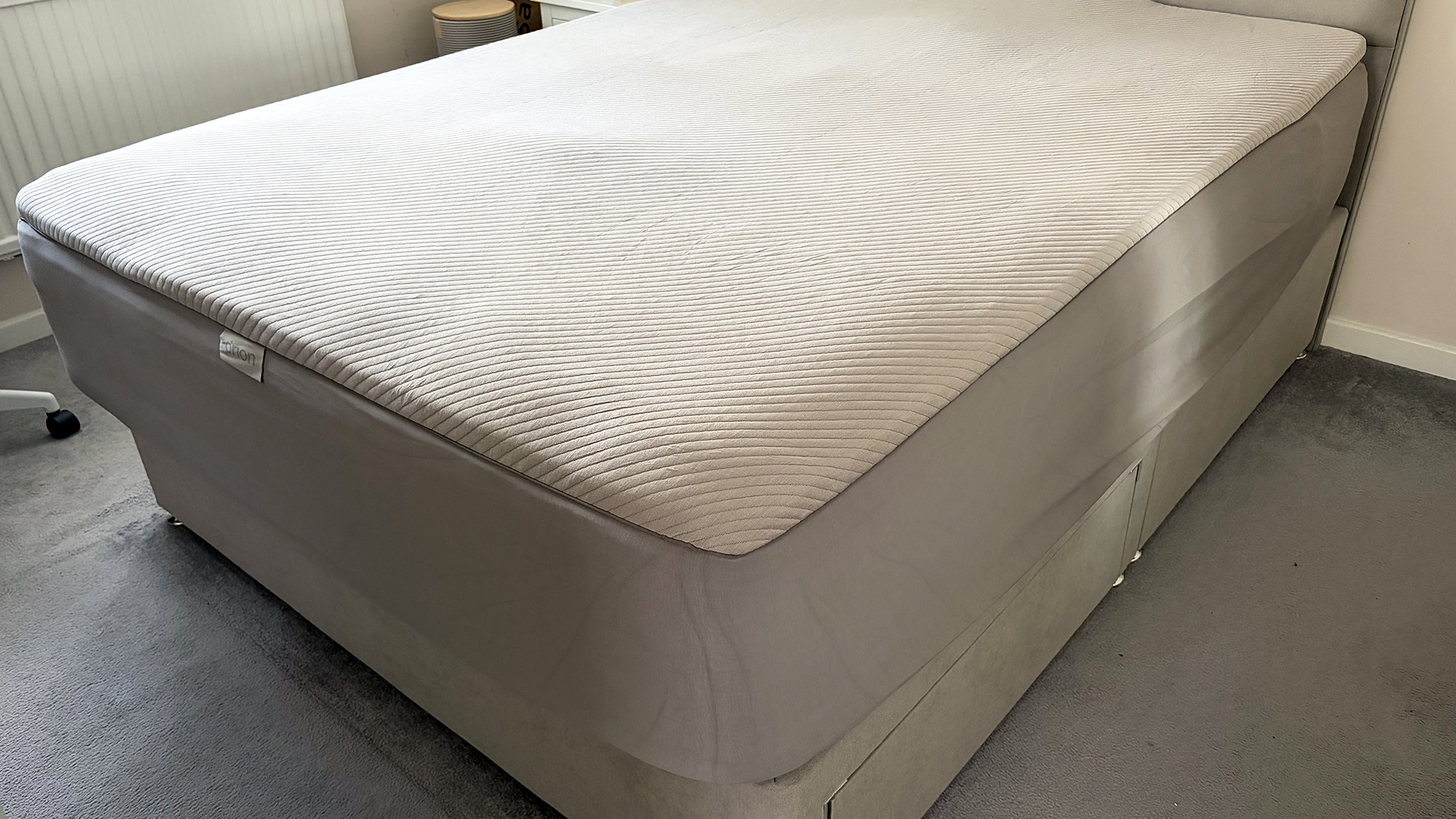
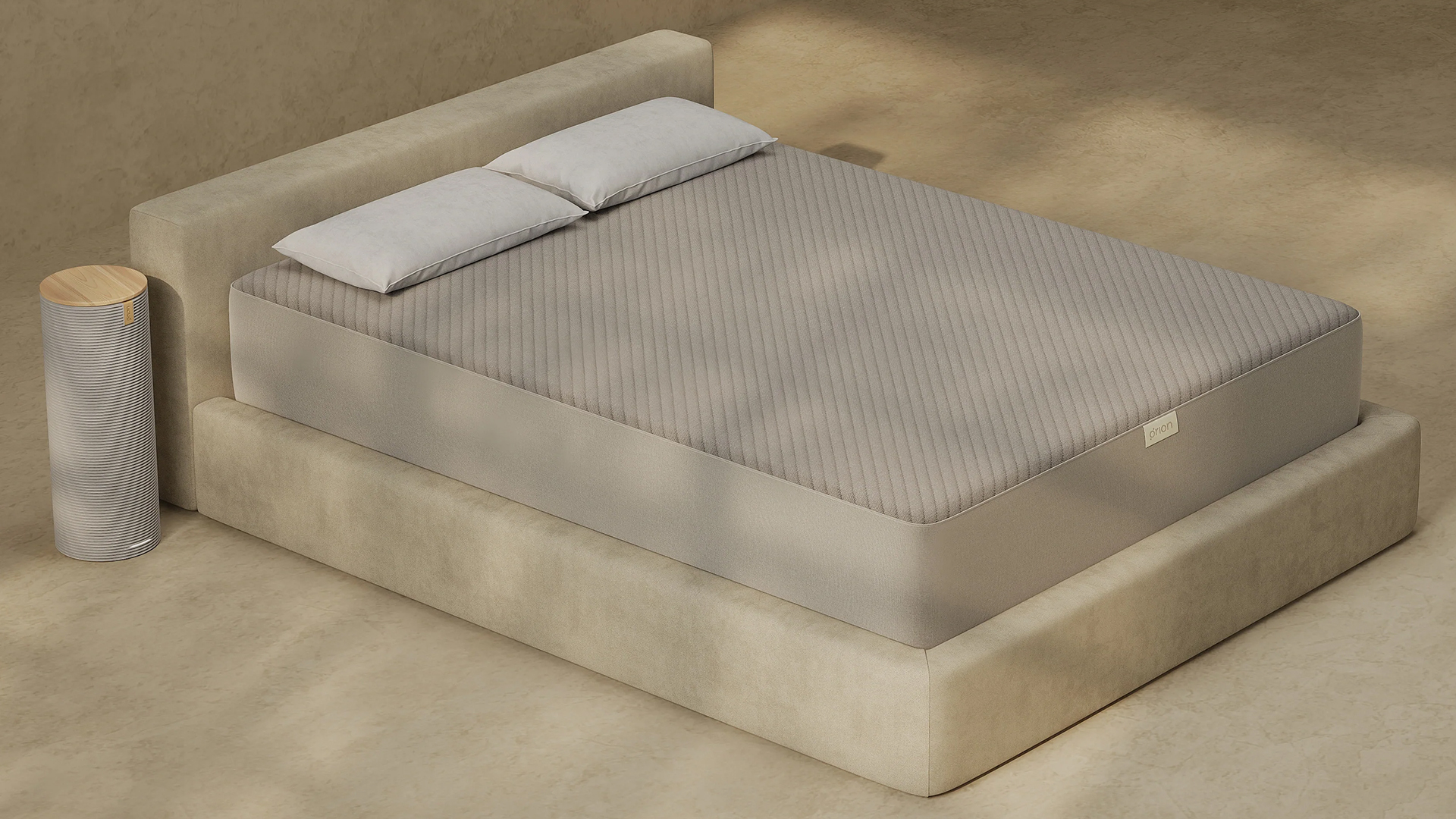
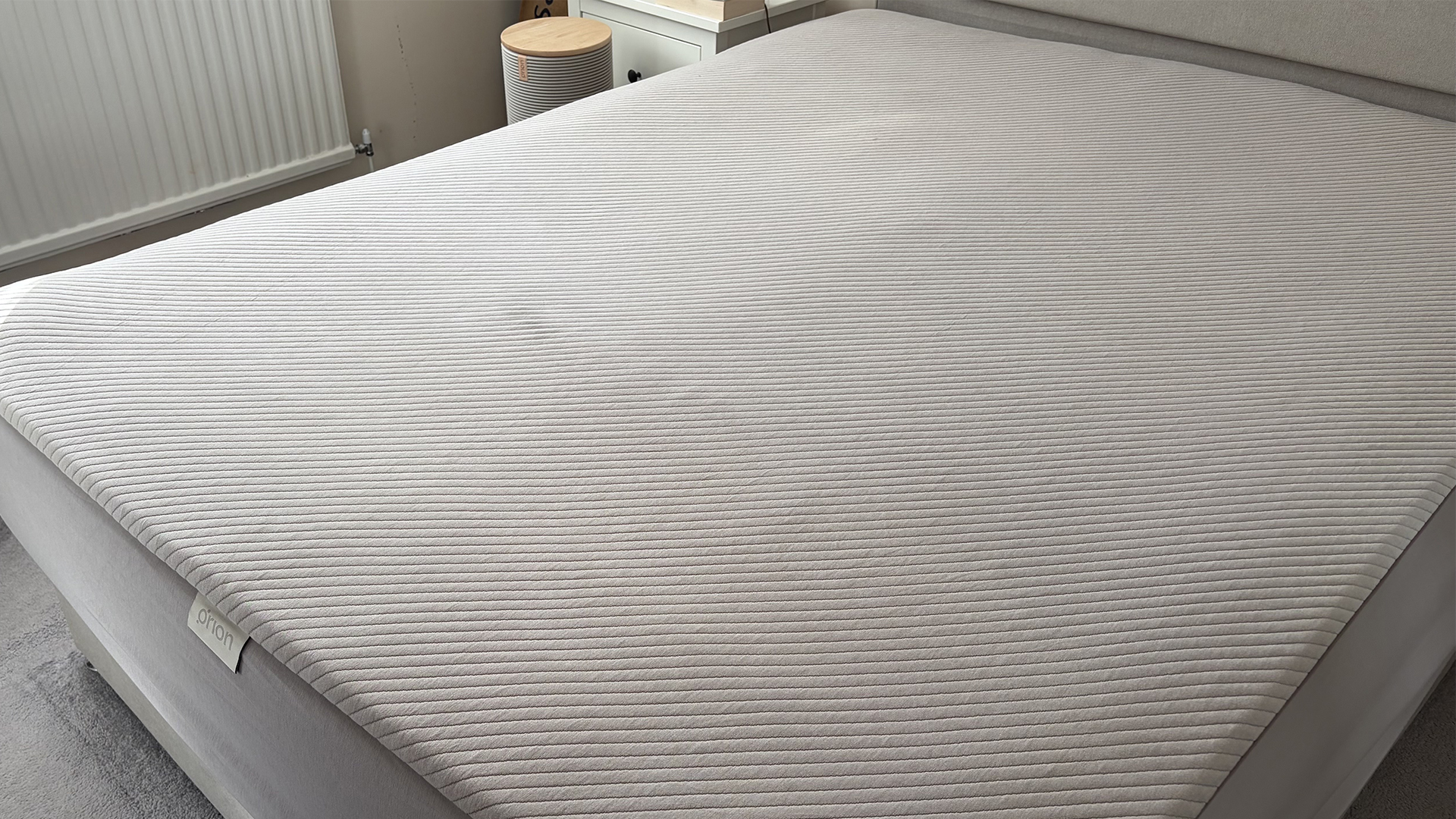
The cover itself is made of a stretchy material, allowing it to fit mattresses up to 16 inches tall (that’s plenty of room for even mega-plush mattresses like the DreamCloud Ultra Hybrid.) The surface also features bamboo fabric (40%), to assist with breathability. There’s light padding in the top and, from my experience, it can make your mattress slightly firmer.
(Image credit: Orion)
Running throughout the cover are a series of water tubes and sensors — but you’d never guess, that’s how well the cover masks the tech. During the night, the sensors detect how well you’re sleeping. The Control Tower can then adjust the temperature of the water flowing through the tubes, heating and cooling the cover. And they can do it on both sides, thanks to the dual design.
Integrated sensors also deliver the (optional) sleep tracking. This includes sleep stages, HRV and breath rate. It’s detailed insight but nothing that goes above and beyond standard sleep tracking.
Orion Sleep System review: Delivery & set up
Takes about 30 minutes to set up and requires WiFi and Bluetooth
App directs you through set up smoothly
The hub and water tube take up a lot of space
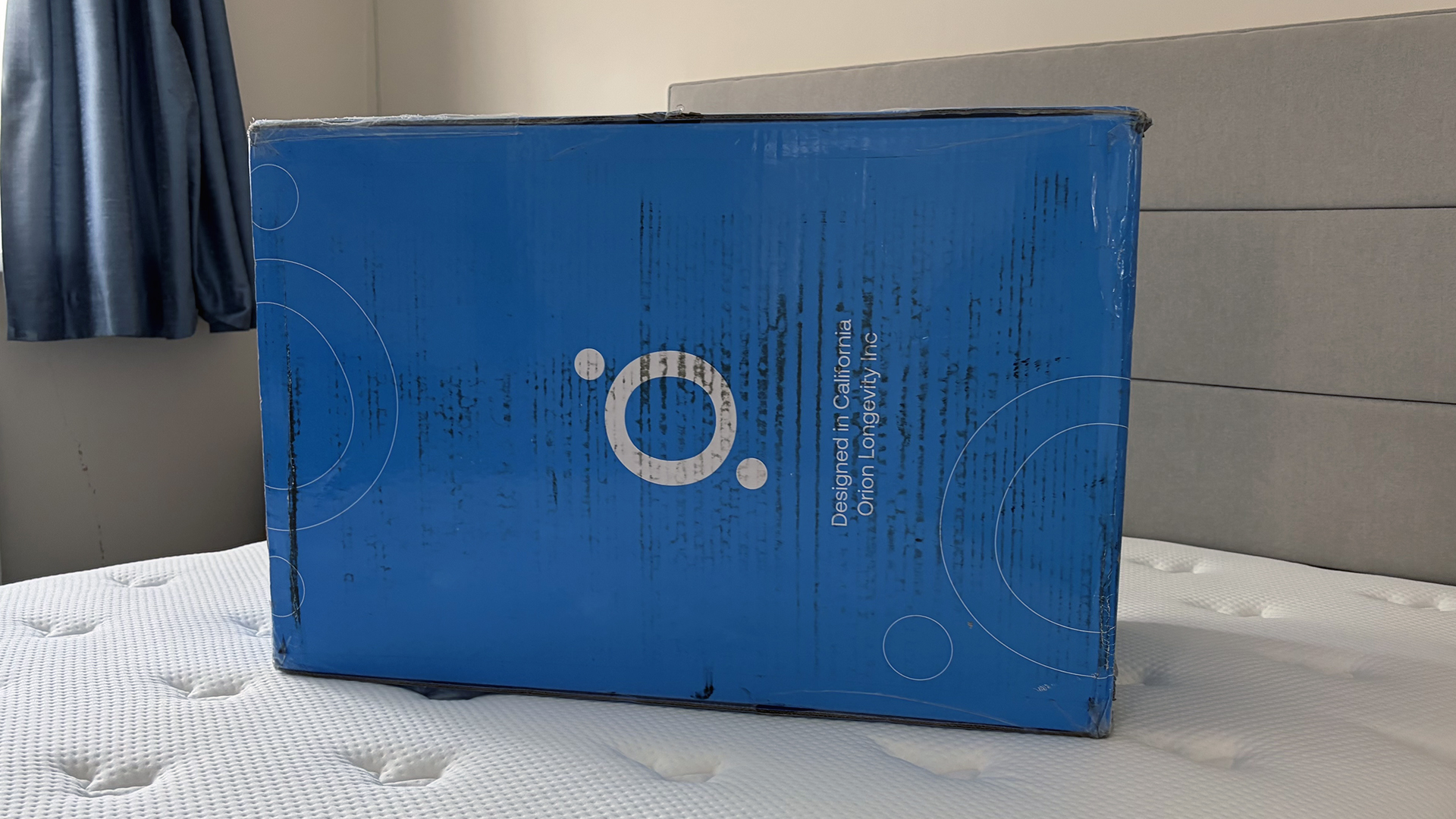
The Orion Sleep System comes in two large boxes, one of which is quite heavy and the other which is very heavy. But with that said, I unboxed and set up a queen size by myself and I don’t think this is a two person job. Scan the QR code before you start and it guides you through set up.
First, you need to put the cover on your bed. It’s stretchy, which makes this part easy, and Orion has included numerous ‘this way up’ stickers. Too many, you might say, as you slap another sticker on yourself because there’s nowhere else for it to go while you wrestle with a mattress cover.
Next, thread the pipe down the back of the bed. This will work best on a slat frame; it pushes against the mattress on my divan. Attach the tube to your control hub. Again, multiple stickers act as a guide.
Image 1 of 5
Both boxes from Orion were bulky and I’d ordered the smallest size (Image credit: Future)
If there’s just one thing you take from this review, make it this: put the control tower and pipe in the right position before you start filling with water. It’ll be almost impossible to do afterwards, which is why I found myself emptying and lifting my nightstand just to get the tube in the right place.
The next step is to add water. About a gallon of the stuff. This feels like pouring water directly into your laptop but ignore the gurgles and get on with it.
The final thing to do is note your preferences on the app and name your Orion. You can also turn the light off (a must from me) and lower the noise levels, but this also slows down the thermal response. (The Orion is loud but I found the droning buzz white noise-esque.) And don’t forget to set you sleep and wake times, as this is when it automatically switches on and off.
Score: 4 out of 5
Orion Sleep System review: Smart features
Dual climate control keeps you and a co-sleeper the right temperature
Smart sleep tracking is available under subscription
Relatively simple features, for a still very complex piece of tech.
Unlike some smart beds and mattresses, the Orion Sleep System doesn’t throw everything and the kitchen sink at the design. Its primary focus is temperature tracking and that’s what you’ll get.
The Orion has a temperature range of 50°F to 113°F (easily encompassing the optimal sleep temperature range of 65 to 70°F.) During the night, the cover responds to your changing sleep stages and needs to ensure you remain at a neutral feel as you snooze.
(Image credit: Orion)
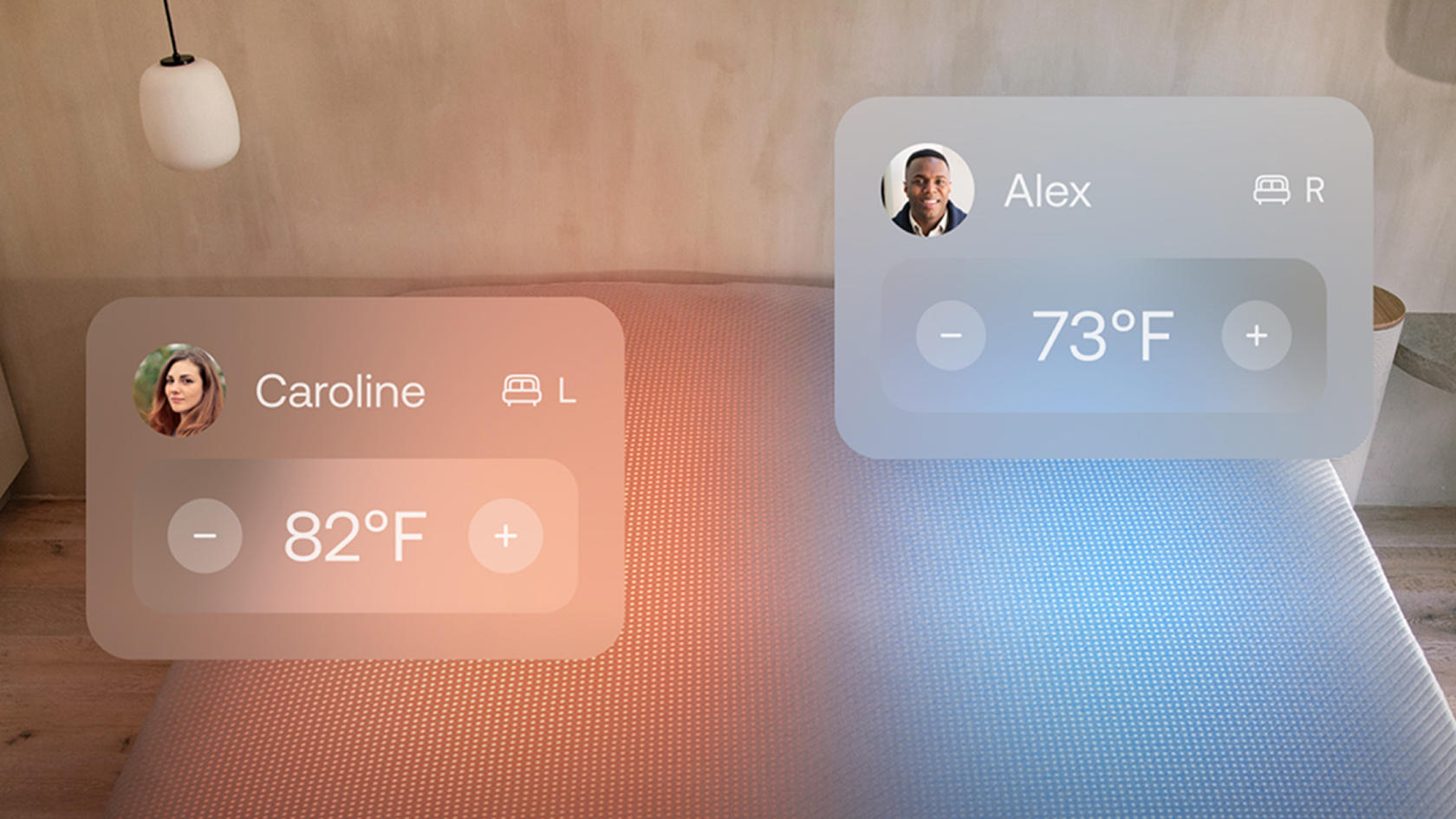
Alongside this, Orion offers dual temperature tracking. Each side of the cover adjusts separately, so you and your co-sleeper can pick the temperature you need. Think of it as the Scandi sleep method taken to an extreme.
If you upgrade to Orion Intelligence, you also get detailed sleep tracking. This includes sleep stages, breathing rate, heart rate, HRV and movement.
Orion doesn’t offer the smart alarm of the Eight Sleep (although the natural warming in the morning should help wake you up.) It also doesn’t have snore detect (but you can identify unusual breathing patterns.)
Orion Sleep System review: Performance
Active temperature controls maintain a neutral feel for hot sleepers
Each side of the bed has its own feel (if desired)
Sleep tracking offers good insight but lacks some accuracy
Temperature regulation
A quick explainer on why temperature regulation is important to sleep. Temperature sends messages to your circadian rhythm; your core temperature drops in the evening and rises in the morning, following the sleep-wake cycle.
But on hot nights your body won’t receive that sleep-friendly temperature drop to help you drift off. And when you naturally warm in the morning, your already elevated temperature leaves you prone to unwanted wake ups.
The best cooling mattresses hope to navigate this by dissipating heat through materials like open springs, copper infusions, and gel foams. But tech such as the Orion take a hands on approach. So let’s look at how well it works.
After the hottest summer I’ve ever experienced, I’ve grown used to climbing into a bed that’s already uncomfortably stuffy. I thought diving into the Orion would be like lying on a snow drift. I couldn’t have been more wrong.
It’s like the room temperature room (for anyone who’s attended air conditioning repair school.) (Image credit: Future)
The Orion Sleep System feels… room temperature. It’s the only way I can describe it. It’s a temperature you simply don’t notice. And it stays that way all night long, no heat fluctuations or sudden cold drops.
I don’t consider myself a particularly hot sleeper but there’s always a few nights before my period when I wake up uncomfortably clammy. This hasn’t happened once during my testing phase, despite using the bed for over two cycles. If you experience night sweats or hot flashes, the Orion should help take the edge off.
I’ve done a few things to try and raise my temperature before bed, including drying my hair, a series of jumping jacks and wearing a bulky weighted eye mask. I’ve even climbed into bed and recalled my most embarrassing moments to induce a full body flush. The Orion has responded to them all, cooling the bed quickly so I don’t overheat.
You can adjust the temperature to suit your needs, or allow Orion to make the changes for you (Image credit: Orion)
The more you use the Orion, the more it learns your temperature needs (although you can kickstart the process with the Orion Patch for $100). I found the first few nights chillier than expected but the Orion soon took notes and made adjustments. It’s continued to learn throughout the testing period.
My testing has taken place on two mattresses: the Plank Firm Luxe and the Leesa Original Memory Foam. Neither bed is known for its cooling prowess but thanks to the Orion, I never noticed any heat trapping. If I had a chance to test it on the warmest mattress I’ve tried, the Zinus Green Tea mattress, I’m confident the Orion would still perform.
Score: 5 out of 5
Dual control
If you’re a hot sleeper but your partner can never get enough blankets, Orion promises a solution. And no, it’s not compromise.
The mattress cover is dual-sided, meaning each half of the bed responses to a specific user. You can set your side to stay cool all night, while you’re partner can opt for something warmer (or vice versa.)
I sleep alone and for most of the testing period I just let Orion respond to my total-mattress sprawl. But to check the dual temperature changes, I added an imaginary ‘guest’ to my app. They took the right side of the bed, while I confined myself to the left.
Image 1 of 2
(Image credit: Future)
Sneaking a hand halfway across the mattress during the night, I could feel ‘guest’ was having a different thermal experience to me. My half of the bed was neutral, with my body heat offset by the Orion. My ‘guest’, on the other hand, was chilly.
While my experiment doesn’t guarantee that you and your partner will both enjoy the perfect temperature, it did prove that the Orion can successfully distinguish which side of the bed is yours. (Something even humans can struggle with.)
Sleep tracking
Orion’s sleep tracking is behind a subscription but if you’re willing to pay, you get access to some detailed information.
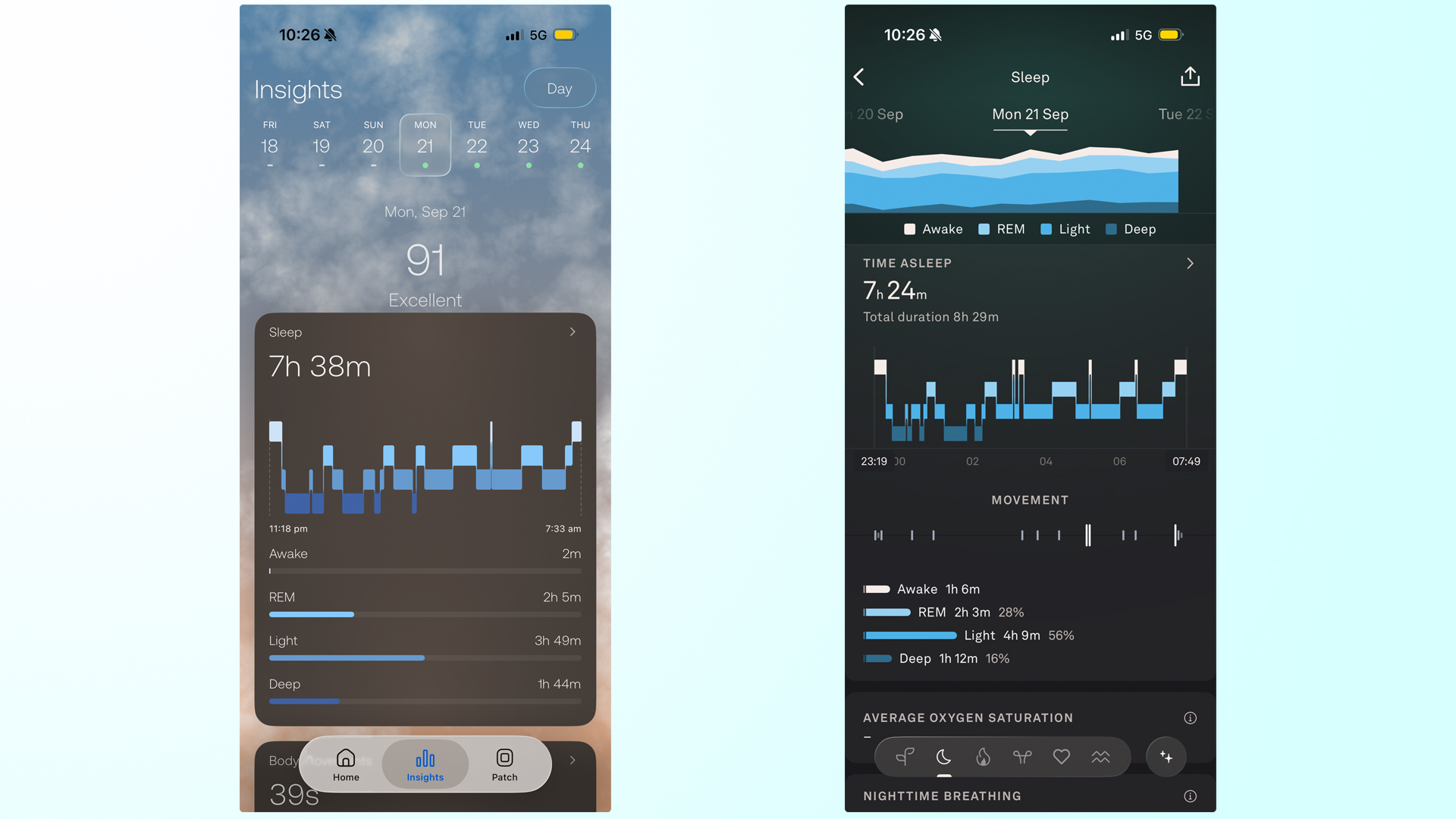
As well as an overall sleep score, Orion tracks sleep time and stages, body movements, breathing disruptions, HRV, heart rate, and breath rate. That’s the kind of metrics I expect from my Withings Sleep Mat.
I used the Orion alongside my Oura Ring 5, which is the best sleep tracker we’ve tested. The two weren’t always in agreement. While they both collected similar data, the Orion was less adept at noting my wake ups and disruptions. On several nights the Orion failed to capture brief wake ups that I know happened and that my Oura Ring recorded.
Image 1 of 5
(Image credit: Orion / Oura)
From looking at the data, both Orion and Oura largely agree with the overall patterns of my sleep. But they don’t quite see eye to eye on my sleep cycles. Orion tends to view my sleeper as deeper and less disrupted, while Oura picks up on my brief wake ups.
If it’s a general insight into your sleep you’re looking for, there are benefits to the Orion’s tracking data. It delivers a good overview alongside interesting metrics that can help you learn about your rest. It’s also a clear and easy to use app, which is a plus if you’re sleep tracking curious, not an enthusiast.
But if you really want to drill down into the details, Orion misses the finer points. It also can’t track during the day, meaning for all-round health data, wearables still lead the way.
Sleep tracking: 3.5 out of 5
Orion Sleep System review: Should you buy it?
(Image credit: Future)
With the Orion whirring away, it’s as if my mattress exists in its own bubble. No matter what happens to the weather outside, the surface of my bed retains a comfortable, neutral feel. Sweaty nights are banished and I can sleep without disruption.
If overheating regularly ruins your sleep, the Orion is a smart solution. I’ve been impressed by its effective and responsive cooling, which has overcome even my earnest attempts to overheat at bed time. The dual-temperature design also makes it a winner for bed sharers with contrasting needs.
It’s an investment for sure. But at times this summer I would have pledged my life savings to sleep cooler — the Orion might have called my bluff. At $2,395 for a queen and with some hot summers ahead of us (cold winters, too), this might be a price you’re willing to pay for good sleep.
The sleep tracking is also good, although it’s better at the overall picture than the finer details. And I’m not sure it’s worth the $250 extra to subscribe. The Withings Smart Mat is $50 less and has better tracking.
And the Orion does have some flaws, including a bulky control hub and a persistent buzzing noise. It also adds firmness to your mattress, so side sleepers might feel some pressure at the shoulder and hips.
But those problems fade into the background as I slip into a bed that’s just the right temperature for me. And if sweaty nights are sabotaging your sleep, you might feel the same way.
Orion Sleep System review: Alternatives
Like the Orion, the Eight Sleep Pod is a temperature controlling mattress cover. It’s more expensive (a queen is $2,899 and that’s without the mandatory subscription) but it also does more, including a smart alarm feature and snore detect. We haven’t tested the latest iteration but check out our Eight Sleep Pod 4 review to learn more about the cooling.
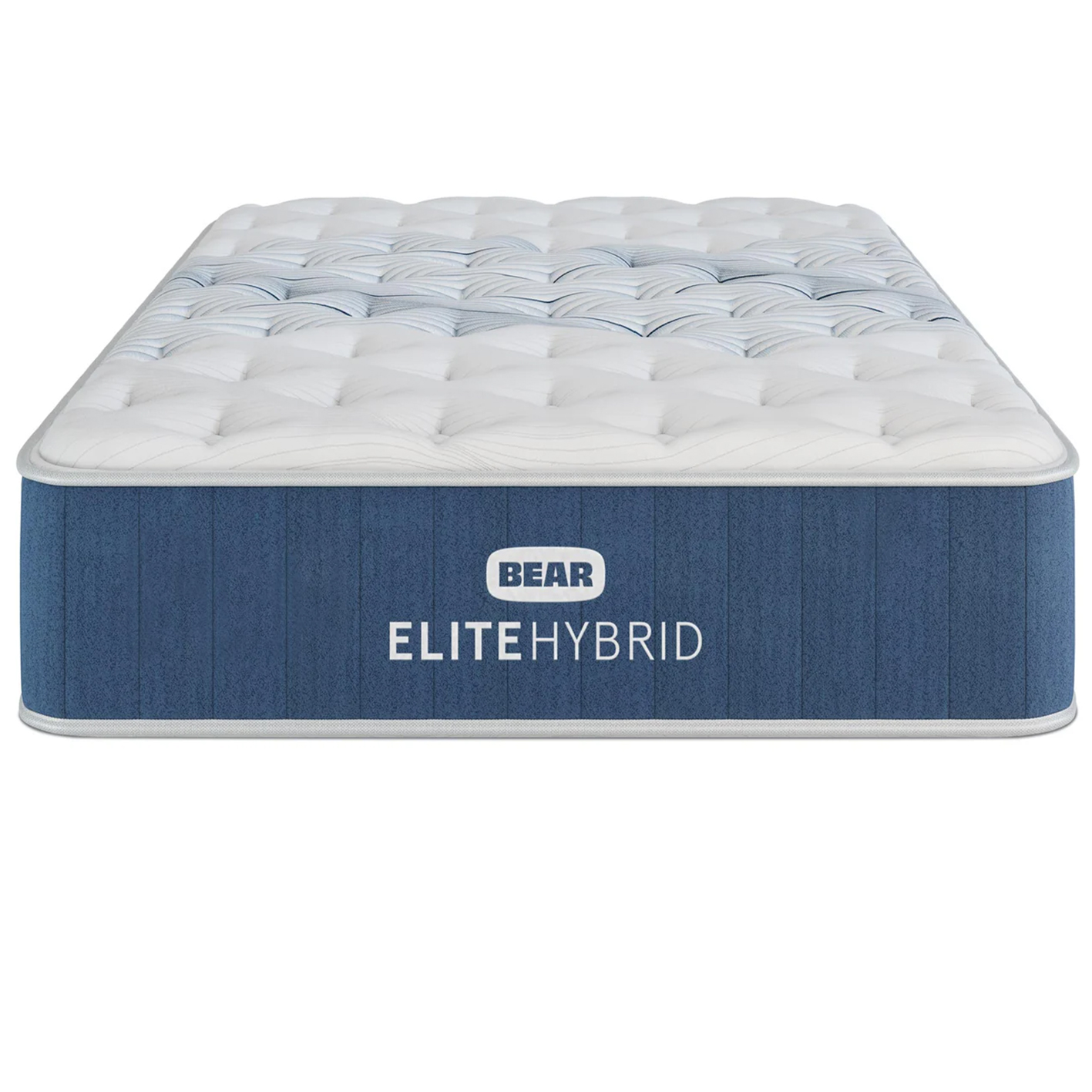
Bear
Elite Hybrid Mattress
If the Orion is a high tech solution to night sweats, the Bear Elite Hybrid is the traditional alternative. Our favorite cooling mattress, in our Bear Elite Hybrid mattress review we were impressed with how the breathable coils, integrated Celliant fabric and copper infusions kept the bed cool all night long. A queen is $1,598 in the standard sale (was $2,284) but look out for 40% off.
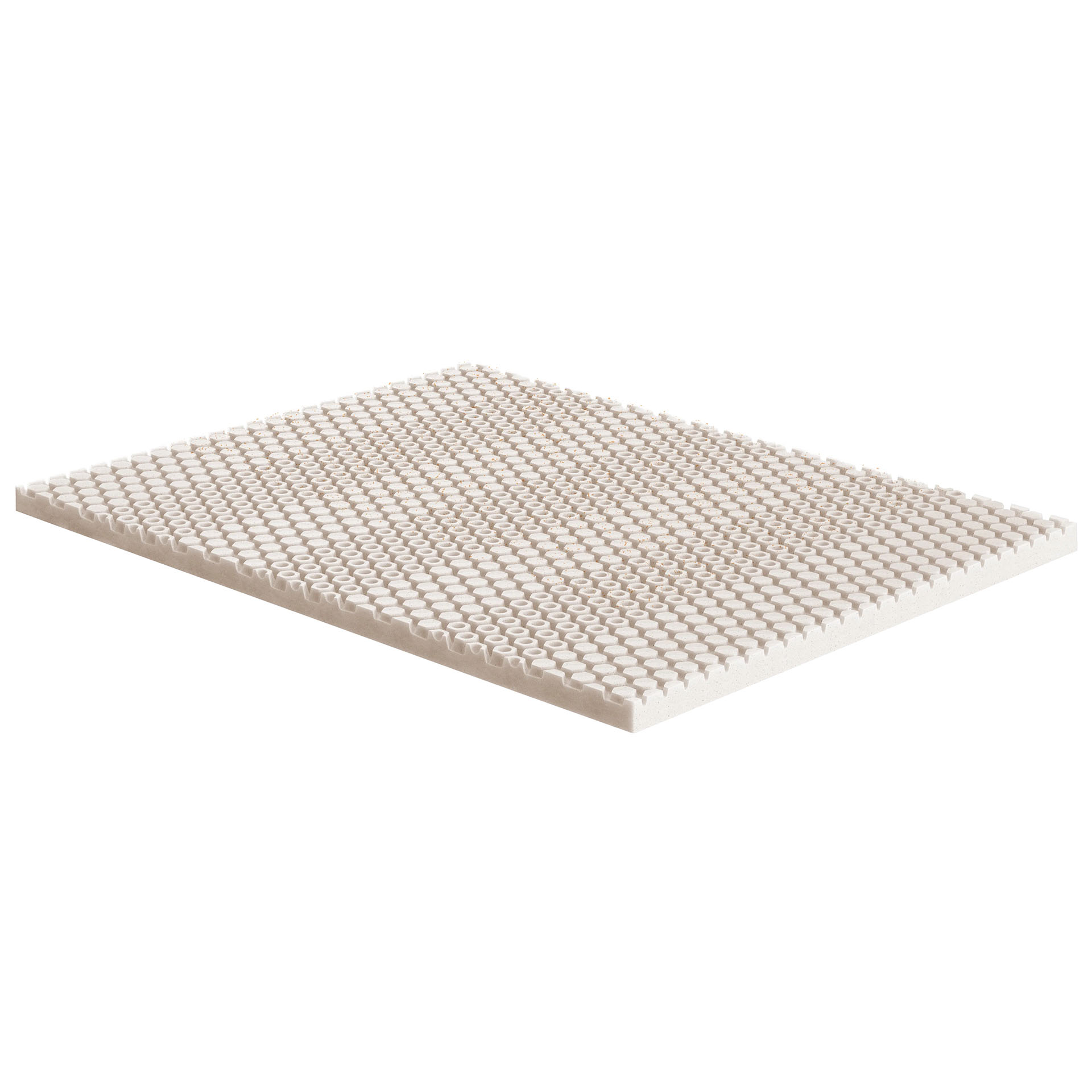
Molecule
Molecule CopperWELL Mattress Topper
The Molecule CopperWell Mattress Topper is a good choice if you want to add cooling comfort to your existing bed without investing in a smart solution. One of the best mattress toppers we’ve tested, the copper-infused design helps kick out excess heat so you can sleep cool. A queen is $249.99 at Molecule and sales are rare, but discounts can pop up around the holidays.
Senior Sleep Staff Writer
Ruth is an experienced Senior Staff writer at Tom’s Guide, covering all things sleep and mattresses. She writes to help people sleep better, from how-tos to the latest deals to mattress reviews, and has interviewed an array of experts who share her passion. She is also our specialist on memory foam — she’s flown around the world to see memory foam being made — and leads our hotel mattress content. She has a deep interest in the link between sleep and health, and has tried enough mattresses, from Helix to Nectar to Simba, to know the right bed really can make a difference to your wellbeing. Before joining the team at Tom’s Guide, Ruth worked as a sleep and mattress writer for our sister website, TechRadar.
Next Badge:
More Comments/Likes Until Your Next Badge
community guidelines.
” data-join-the-conversation-text=”Join the Conversation”>
You must confirm your public display name before commenting
Please logout and then login again, you will then be prompted to enter your display name.
Adding load to mobility exercises is a brilliant way to supercharge them; more resistance, more work, more control…more gains.
This exercise opens your hips and stretches your glutes, making it one of the better hip mobility exercises I’ve used over time with various clients. I highly recommend one of the best kettlebells, but not anything too clunky, as that will limit range of motion.
Intrigued? Here’s the move, plus the benefits. And all you need is a weight and a bench or something similar.
How to do the kettlebell figure-4 deadlift
I see this move butchered, and sadly, it will put strain on your shoulders and back, so we need to maximize glute activation, engage the core muscles and hinge at the hips. Shoulders must be pulled back, and your back should stay straight throughout, just like you would during a standard deadlift.
My best advice is to add load gradually, adjust your reps, or play around with a slower tempo to get the most out of this kettlebell exercise. The payoff is more protection for your back, better hip strength, range of motion and stability, and active glutes.
I see this move butchered often…
Here’s how to do the kettlebell figure-4 deadlift properly.
Stand with a box, bench, or similar to your left side.
Position the outer side of your right foot on the top edge of the box and draw your right knee down, squaring off your hips to create a figure-4 shape.
Hold a kettlebell by the handle using both hands.
Hinge forward at your hips, send your butt back and lower the weight through the gap in your legs, as if performing a deadlift. Your back should be straight and shoulders drawn back, core active.
Lower as far as you can until you feel a deep stretch in your glutes, hips and hamstrings, then drive upward to stand.
3-4 sets, 6-8 reps per side.
Common mistakes include:
Hunching: I often see people hunching just to lower the weight further. Think about keeping a straight line from neck to lower back and imagine you’re shutting a car door or cupboard door behind you with your butt.
Rotating: It’s easy to start rotating to one side if one side of your body feels tighter than the other. Keep your hips square and chest forward and proud.
Forcing the knee: If you find it difficult to open your hip and draw your knee down, this is due to limited mobility and tightness. Over time, and with practice, this should improve. Don’t force your knees; just meet your body where it is.
Over time, add load to make the exercise more challenging. You can still perform this move if your knee doesn’t align with your foot, but be careful not to move through pain. If the exercise hurts, stop, and consult a relevant medical professional.
Get instant access to breaking news, the hottest reviews, great deals and helpful tips.
You want all that action in your hips, glutes, core and hamstrings. Think about tucking everything in and drawing your navel toward your spine. As you exhale, that’s your time to lift the weight; as you inhale, that’s the time to lower the weight between your legs. Use that breath. Think about lowering down slowly, then driving up powerfully.
Follow Tom’s Guide fitness on Instagram for more workouts, routines, tips, and tricks.
If you, like me, struggle to engage your glutes during leg day workouts, or you find that one side fires up better than the other, working one side of your body at a time like this will help you learn about any imbalances or areas you may be neglecting.
Sam Hopes is a level 3 qualified trainer, a level 2 Reiki practitioner and fitness editor at Tom’s Guide. She is also currently undertaking her Yoga For Athletes training course.
Sam has written for various fitness brands and websites over the years and has experience across brands at Future, such as Live Science, Fit&Well, Coach, and T3.
Having coached at fitness studios like F45 and Virgin Active and taken on both 1:1 and group, Sam now primarily teaches outdoor bootcamps, bodyweight, and kettlebells.
She also coaches mobility and flexibility classes several times a week.
Sam has completed two mixed doubles Hyrox competitions in London and the Netherlands and finished her first doubles attempt in 1:11.
The Sony WH-CH530 are the perfect way to get an affordable pair of headphones without having to compromise on sound quality. They offer impressive warm sound and decent battery life in a lightweight package. As on-ear headphones, they can cause discomfort, but that’s really my only major issue.
Reasons to buy
+
Affordable
+
Great sound
+
Lightweight
+
Good battery life
Reasons to avoid
–
On-ear can be uncomfortable
Why you can trust Tom’s Guide Our writers and editors spend hours analyzing and reviewing products, services, and apps to help find what’s best for you. Find out more about how we test, analyze, and rate.
I’m a big fan of Sony headphones. Their tuning is hands down one of my favorites, but you are going to be paying a pretty penny for one of the flagship models. That’s where the Sony WH-CH530 come into play.
They bring premium tuning in a more affordable package, making it more accessible to music lovers who don’t have hundreds of dollars to drop on a new set of cans. The headphones are also lightweight with a comfy headband, and can deliver up to 55 hours of battery life.
Could these be some of the best cheap headphones to buy right now? Well, the on-ear design may be uncomfortable for some people, but they’re otherwise perfect budget cans. Keep reading this full Sony WH-CH530 review to find out more.
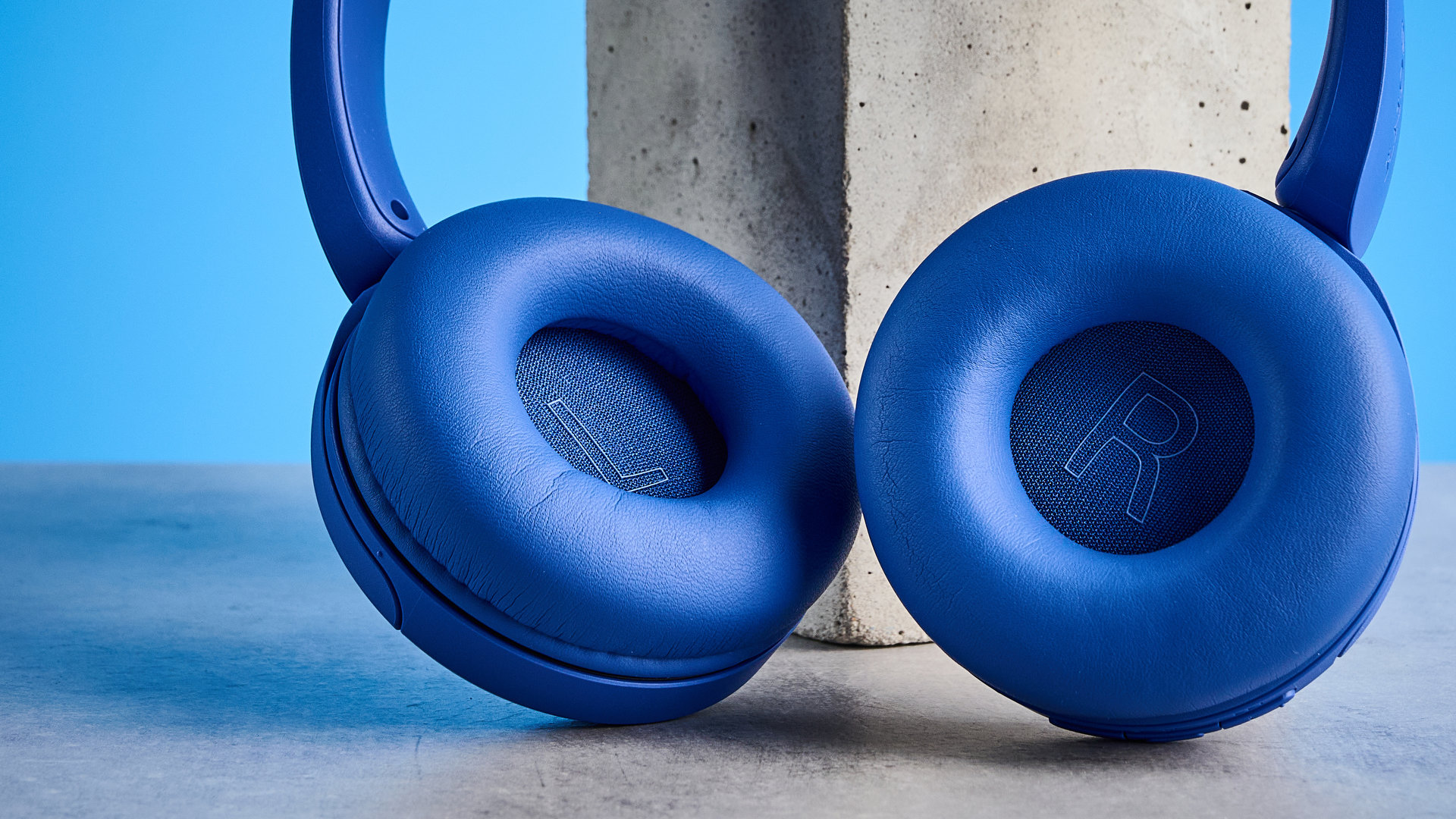
The Sony WH-CH530 headphones are a cheap option from the audio giant and cost $68 on Amazon U.S. and £49 on Amazon U.K. The headphones come in a variety of funky colors, including Pink, Coral, Mint, Cobalt, White and Black. They were released in September 2026 and came with the announcement of the WH-CH730N and the WH-1000XM4C (an updated version of the XM4), strengthening their entry-level lineup.
Sony has a whole host of affordable cans on their website, including the WH-CH520, which cost $59. These are the predecessors to the WH-CH530 and are a little cheaper but have a shorter battery life and don’t support the same audio codecs. There are also options from budget brands, such as the Anker Soundcore H30i for $39. They come with a very impressive 70-hour battery life, but they don’t sound as crisp as the WH-CH530.
But on-ear headphones aren’t for everyone, so if you need the comfort and better noise isolation of over-ears, the JLab JBuds Lux ANC could be for you. They cost $79 and have great sound — it’s all about the style you want.
Sony WH-CH530 review: Design
The Sony WH-CH530 are a sure-fire way to get a pop of color into your outfits, and they’ve certainly brightened up my day. I tested the cobalt color, and although I’m not one to usually reach for a splash of color — I much prefer color drenching with a black outfit — these are actually very pretty. That said, I felt like I was in 2014 trying to decide which color of the Beats Pill I should buy.
Tom’s Guide: Direct to Your Inbox
Get instant access to breaking news, the hottest reviews, great deals and helpful tips.
The headphones are made of 30% recycled plastic, which is commendable, but they feel a little on the flimsy side. They also don’t have a durability rating, so they’re not equipped to withstand any moisture or dust. This is normal for headphones, which are very difficult to waterproof. If you’re just using them on public transport, in the office or at home, it shouldn’t matter. But if you need a set of headphones for workouts or to survive light rain, check out the IP52-rated Nothing Headphones (a).
Comfort
(Image credit: Tom’s Guide)
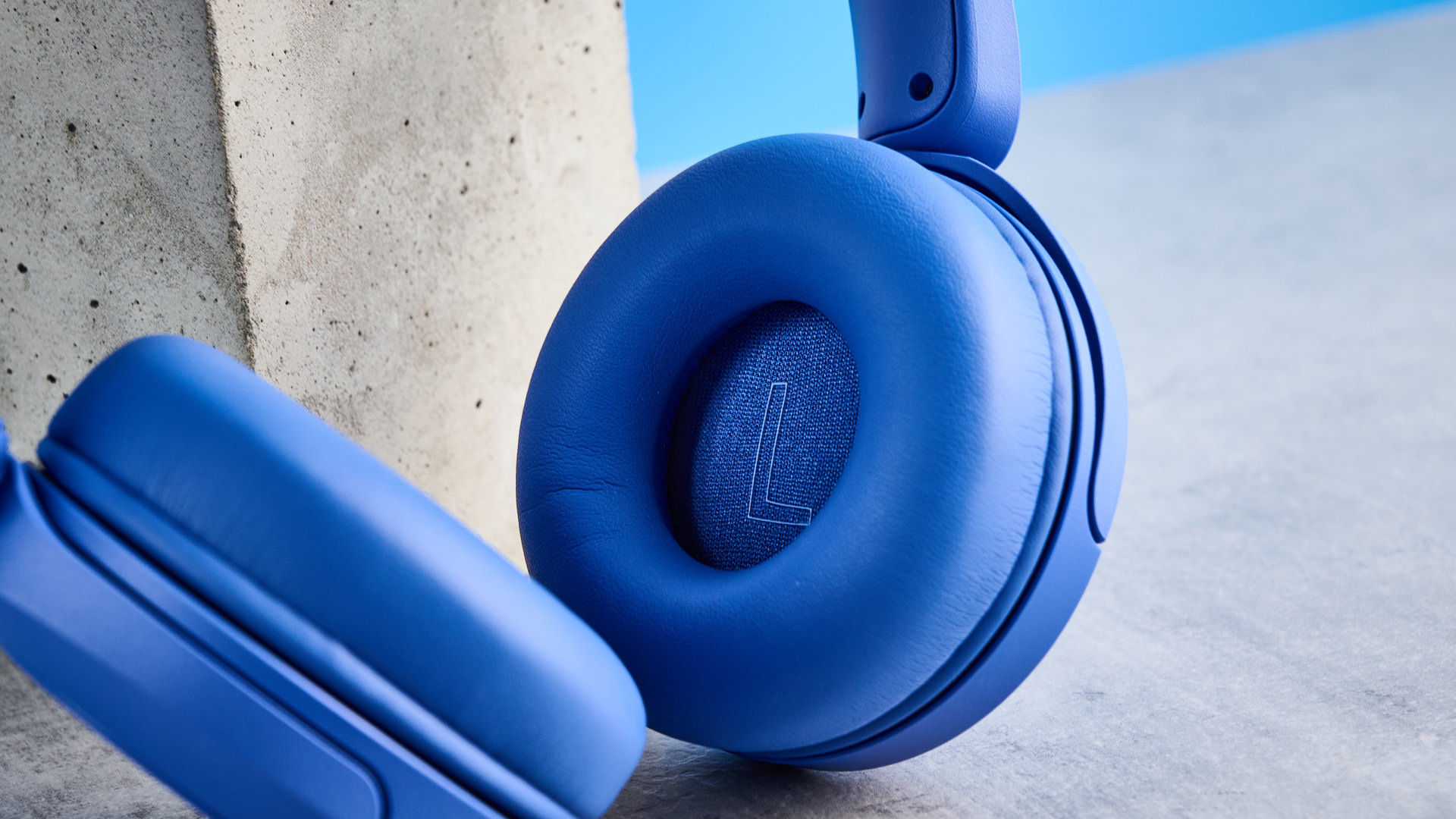
I’m not the biggest fan of on-ear headphones, but even though I’m a hater, I initially found the WH-CH530 headphones surprisingly comfortable.
This was pretty short-lived, though, since the on-ear design caused pressure on my ears. This is likely going to be down to individual anatomy and preference — while testing these headphones on my commute, I noticed plenty of people wearing on-ear cans, so people must like them. They’re just not for me.
That said, the earcups are made from the same material as the premium models from Sony, so they were comfier than cheaper on-ear models like the Anker Soundcore H30i. Although the WH-CH530 headphones don’t have any ANC capabilities, the earcups did a good job of blocking out external noise, and I could hardly hear my colleagues trying to talk to me.
The headphones weigh 5.29 ounces and are very lightweight, and the padded headband is comfortable too. I didn’t feel like it was pushing down on my head at all.
Controls
(Image credit: Tom’s Guide)
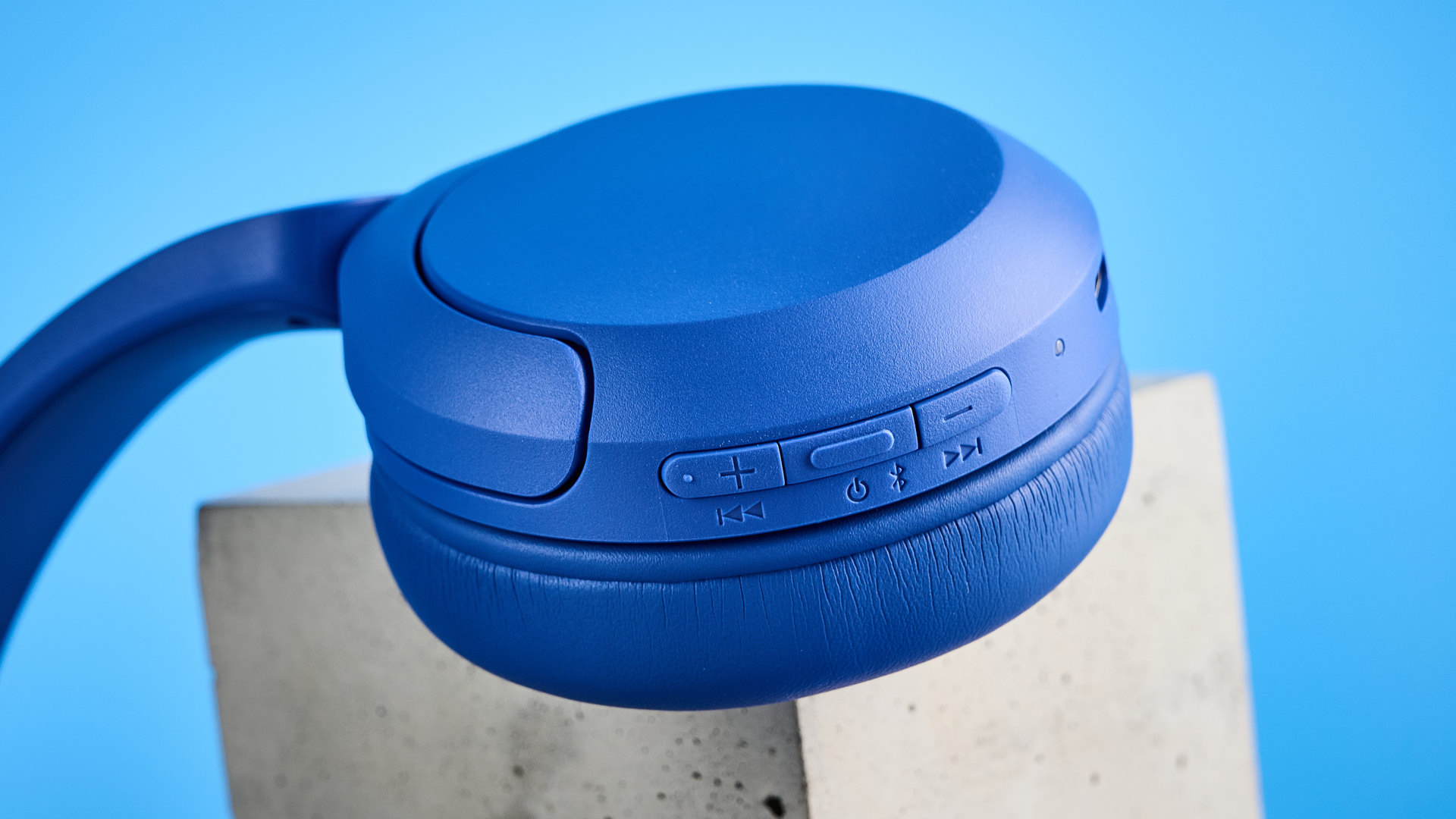
The Sony WH-CH530 headphones use button controls, which were easy to use and responsive. There’s a power button and two buttons on either side for volume. The power button doubles as play/pause, and the volume buttons can be held down to skip songs.
Connectivity
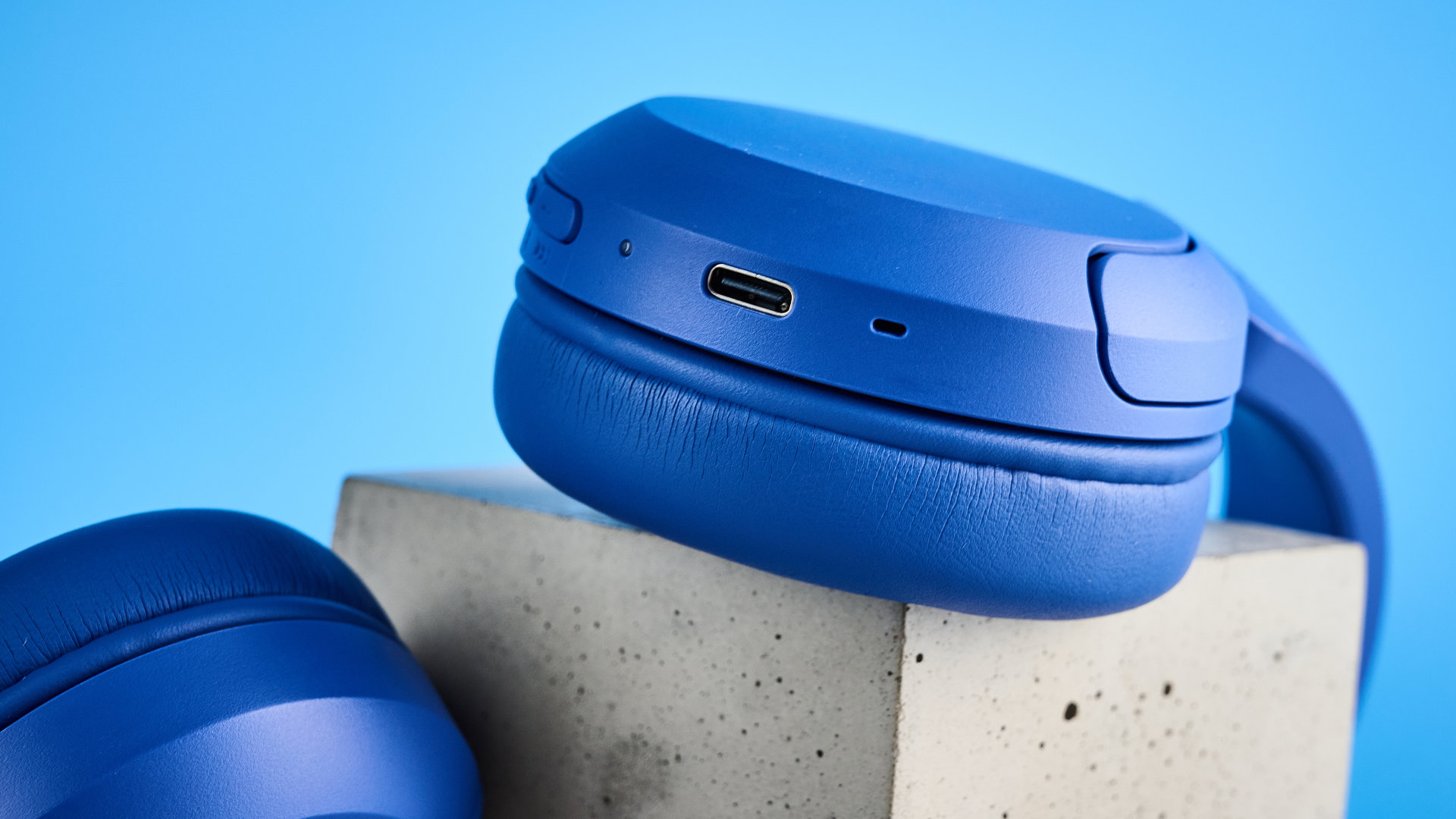
(Image credit: Tom’s Guide)
The Sony WH-CH530 headphones use the latest Bluetooth 6.0, which offers more stability than previous versions and can support higher-efficiency codecs like LC3 and LE Audio (for better battery life). Bluetooth 6.0 also supports Auracast to stream sound from LE Audio devices. This is great to see in a pair of budget cans as it makes typically high-end features a lot more accessible.
Sony WH-CH530 review: Sound quality
The Sony WH-CH530 headphones sound brilliant. For $69, the sound quality is very impressive. It’s nothing like flagship models from Sony, but still in a league of its own in this price range.
I cycled through the EQ settings in the app and kept landing back on the standard EQ as my favorite, so I carried out all my testing on this setting. I also listened with DSEE enabled, which essentially rebuilds a compressed audio file to give you the best sound possible from basic SBC and AAC audio codecs, which usually have the lowest sound quality of all Bluetooth codecs. . The headphones are actually very well balanced, with a warm sound that replicates midrange frequencies very well.
(Image credit: Tom’s Guide)
Firstly, to test the bass performance, I listened to party 4 u by Charli XCX, which is a track with bassy synth and enhanced vocals. The modified vocals were crisp with no distortion, and the bass reproduction was very impressive, again, with no distortion. Even the deepest synth notes were well supported without overpowering the rest of the song.
Next, I listened to Sweet Disposition by Temper Trap. Mid-range separation was great — all of the instruments and vocals had room to breathe and were easy to tell apart. There was lots of detail in the treble, too. Sweet Disposition starts out with a riff and vocals that have a slight echo. This echo isn’t replicated very well on some headphones and earbuds, but it was prominent with the Sonys. Backing vocals were clear, and I could still hear the gentle shimmer of the cymbals in the background.
I really enjoy listening to music with these cans. I’d expect nothing less from Sony.
Sony WH-CH530 review: App
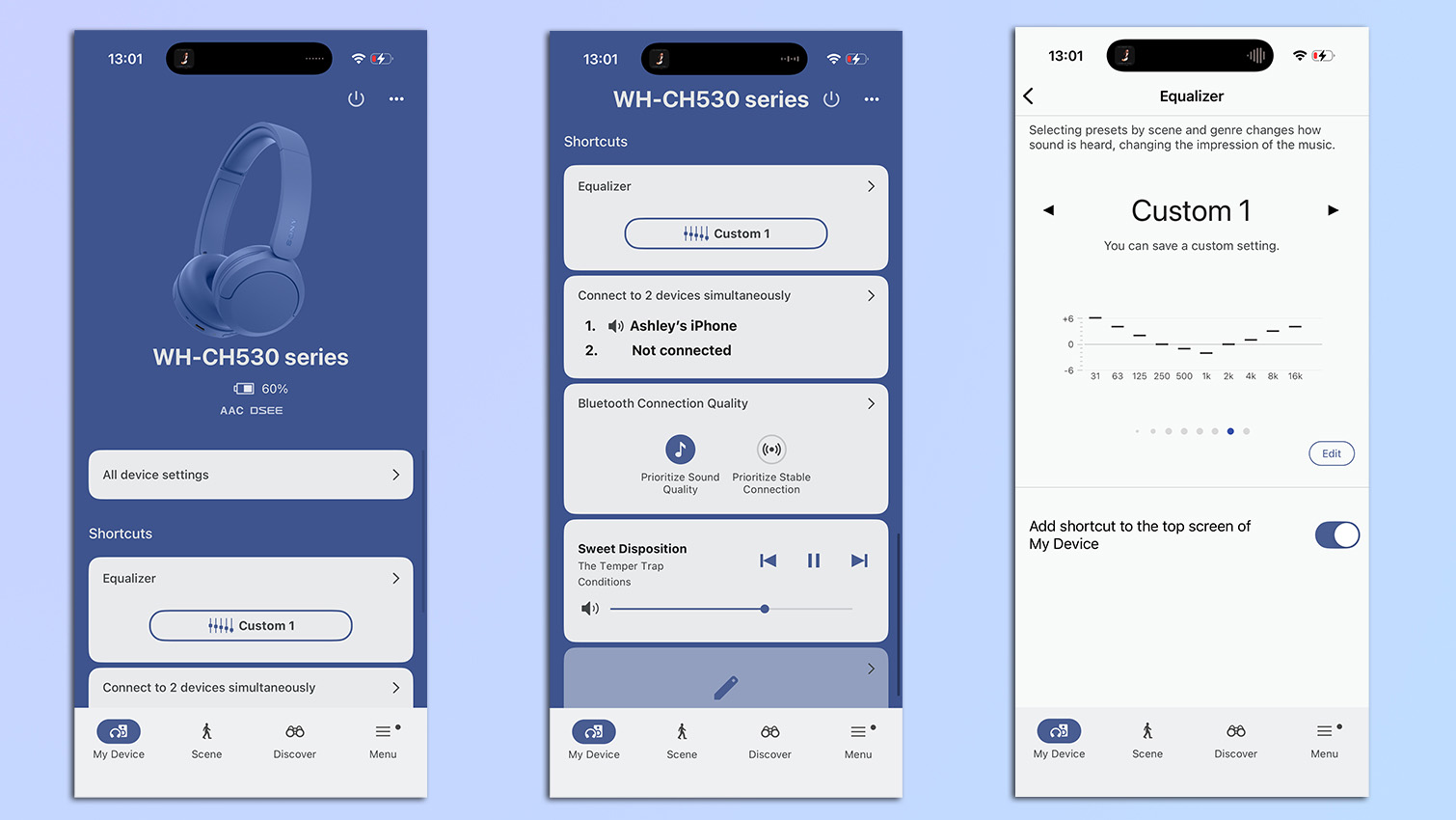
The Sony WH-CH530 headphones are compatible with the Sony Sound Connect app. Though it’s the audio companion app that causes the most division in our office, I personally like it. You can do a lot with the custom EQs, and seeing the information at a glance makes the experience very simple.
There’s space in the app for two of your own custom EQs. By using the 10-band EQ, I got a sound I was happy with across all genres. You can also enable DSEE in the app.
(Image credit: Sony)
If protecting your hearing while enjoying your music is on your mind, then the Sound Connect app can help. You can choose from five maximum volume levels for the headphones. I opted to go with the quietest option since, as a concertgoer, I’ve become mindful of my hearing.
It’s worth noting that you don’t get as many controls in the app when using the WH-CH530 as you do with premium models. But, again, these are pretty basic headphones; you don’t need all the bells and whistles you get with the latest flagship model.
Sony WH-CH530 review: Call quality
The Sony WH-CH530 headphones have AI noise reduction for calls, which is always a feature I love to see in a cheaper pair of earbuds or headphones. Ultimately, the lower price can mean a lower-quality microphone, but AI noise reduction helps to focus in on your voice and filter out environmental sounds.
(Image credit: Tom’s Guide)
I called my mom, as I always do when testing out new audio gear, and asked her what she thought of the microphone performance. She said that she couldn’t hear the traffic around me and my voice was clear. This shows me the AI noise reduction works well.
Sony WH-CH530 review: Battery life
The Sony WH-CH530 headphones have up to 55 hours of battery life. This is very impressive to see in such cheap headphones. After using the headphones for 10 hours, the battery depleted by around 20%, which is what I would have expected.
(Image credit: Tom’s Guide)
Now, it’s worth discussing that Sony says the headphones have a maximum battery life of 55 hours with general usage. That’s calls, music, watching videos, and accounting for times when they may be idle. Sony lists an active use battery life of 35 hours, which is more realistic. So you can stretch it to 55 hours, but I would curb your expectations and expect a little less. Still, 35 hours is very impressive. Some flagship cans have a much lower battery life than this, with the Apple AirPods Max 2 managing a maximum of 20 hours.
If, like me, you often find yourself heading out the door with no charge in your headphones, fear not. The WH-CH530 are equipped with quick charging that can give you 1.5 hours of listening in just three minutes.
Sony WH-CH530 review: Verdict
The Sony WH-CH530 are the headphones to buy if you’re looking for an affordable option but don’t want to compromise on sound quality. The sound quality of these cans really is great and has many of the qualities I love from flagship Sony headphones, like the balanced, warm sound. They have a decently good battery life and are very lightweight.
Keep in mind that these are on-ear headphones, and however light they may be, they can still fatigue your ears. But that’s really the only bad thing I have to say about them, and mileage will vary.
I don’t feel like I’m missing out on flagship features when I listen to my music with these headphones, and I think they’re the perfect choice for affordability.
Ashley is a staff writer on the the Reviews team at Tom’s Guide. She has a master’s degree in Magazine Journalism from Cardiff University and a BA in Journalism, Media and Sociology. She has written for titles including Women’s Health UK, writing health and wellness stories, and Virgin Radio UK, specializing in entertainment news and celebrity interviews. She has reported on a variety of topics including music, literature, motorsport, entertainment and health. She has previously reviewed live music events, books, and wellness products but discovering the top audio equipment on the market is what she does best. When she is not testing out the latest tech, you can find her either curled up with a cup of tea and a good novel or out hiking.
Next Badge:
More Comments/Likes Until Your Next Badge
community guidelines.
” data-join-the-conversation-text=”Join the Conversation”>
You must confirm your public display name before commenting
Please logout and then login again, you will then be prompted to enter your display name.
Paramount+ continues to spoil subscribers each month by stocking up its increasingly impressive library of flicks. As someone who loves getting his spine tingled by a good thriller, I’ve been sifting through the latest October additions to find genre picks worth your precious time.
This week, I’ve picked out one of the first movies that kick-started the McConaissance, a stylish thrill ride from the directors of “The Matrix”, and what I consider one of the best films to take home Best Picture at the Academy Awards.
This trio of recently added thriller movies on Paramount+ is well worth streaming this weekend. While I have you, my colleague Rory Mellon has compiled a companion article with the latest thrillers on Prime Video.
‘Killer Joe’ (2012)
Killer Joe Official Trailer #1 (2012) – William Friedkin NC-17 Movie HD – YouTube
A slept-on entry in the “McConaissance” era, “Killer Joe” is a deliciously dark thriller that sparks to life when an unhinged family tries to off their estranged matriarch for insurance money. With the Smiths desperate for cash after son Chris (Emile Hirsch) finds himself owing a small fortune to drug dealers, they turn to the worst possible guardian angel. Enter Joe Cooper (McConaughey): a corrupt cop who works as a hitman during his off hours.
A couple of years before he mesmerized the world with his turn in “True Detective” as Rust Cohle, Mr “Alright, Alright, Alright” showed he could play an equally charismatic, often chilling copper in one of the late William Friedkin’s final films. Twisted and brilliantly acted by the core cast, rewatching “Killer Joe” recently reminded me of just what a damn fine actress Juno Temple is. And I entirely blame you, “Ted Lasso” season 3, for forgetting that fact. If you want dark chills and twisted humor, you need to check out this dark comedy/thriller.
The first non-English language movie to take home Best Picture at the Oscars, for my money, “Parasite” is the most deserving winner of that little golden statue over the past decade. An utterly brilliant dark comedy/thriller, director Bong Joon-ho’s opus is both an impeccable social satire on class inequality and a genuinely creepy thrill ride that provides both chills and giggles. In short, this modern South Korean classic is a bona fide masterpiece.
Sign up to the weekly Tom’s Streaming Guide to stay in the loop with the latest releases and top recommendations across your favorite streaming services. We’ve got you covered with a complete guide on what’s worth watching.
The premise of “Parasite” is a dark delight. The poverty-stricken Kim family are as scheming as they are starving. After son Ki Woo (Choi Woo-shik) weasels his way into an English tutoring gig for the wealthy Kim clan, it’s not long before the rest of his fam are also burrowing their way into the Kims’ lives. Cue the rest of Ki Woo’s bloodline landing cushy gigs as an art therapist, housekeeper and chauffeur. It’s Kim patriarch Ki-taek (Song Kang-ho) who steals the show, delivering many a laugh before a truly unsettling finale kicks in.
Based on the graphic novel by Alan Moore, “V for Vendetta” benefits from the Wachowskis’ sharp screenplay. Sure, it’s not on the level of “The Matrix”, and Moore refused a credit after accusing the film of watering down complex themes, but this dystopian thriller is still a mighty fun watch. With a near-future Britain under the rule of the oppressive Norsefire party, it’s up to a masked vigilante to stick it to the surveillance state and spark a London-wide uprising.
Touching on themes of anarchism and political upheaval, “V for Vendetta” has a lot to say… even if the script is a touch heavy-handed at times. Unlikely hero and rebellious journalist Evey Hammond (Natalie Portman) might be saddled with the worst English accent since Dick Van Dyke, yet that doesn’t really register when her co-star Hugo Weaving steals every scene he’s in. The former Agent Smith plays the titular V: a formidable crusader in a Guy Fawkes mask who’s part Zorro/part Terminator. With ultra-slick setpieces and handsome choreography, Paramount+ subscribers shouldn’t wait until November 5 to remember, remember this stylish thriller.
Dave was a computing editor at Tom’s Guide who covered everything from cutting edge laptops to ultrawide monitors. Now he contributes to the site in a freelance capacity. When he’s not worrying about dead pixels, Dave enjoys regularly rebuilding his PC for absolutely no reason at all. In a previous life, he worked as a video game journalist for 15 years, with bylines across GamesRadar+, PC Gamer and TechRadar. Despite owning a graphics card that costs roughly the same as your average used car, he still enjoys gaming on the go and is regularly glued to his Switch. Away from tech, most of Dave’s time is taken up by walking his husky, buying new TVs at an embarrassing rate and obsessing over his beloved Arsenal.
Battery drain complaints are almost guaranteed after a major iPhone update, with background indexing usually taking a few days to settle. But when my battery kept draining rapidly well past the update period, I suspected Connectivity Assist, rebranded for iOS 27, was the hidden culprit.
It turns out I am far from alone. A growing group of frustrated users on the r/iPhone have reported similar battery hits, with several pointing directly to this setting as the root cause. Designed to prevent slow loading times when your wireless signal drops, the way Connectivity Assist operates under the hood might be putting strain on your power reserves.
Here is why Connectivity Assist drains power so quickly, and how to turn it off.
How Connectivity Assist actually works
In previous iOS versions, Wi-Fi Assist automatically supplemented a poor Wi-Fi network by routing traffic over cellular data in the background. Connectivity Assist in iOS 27 takes a significantly more aggressive approach, actively utilizing cellular data in addition to Wi-Fi to blend connection speeds.
Keeping both wireless radios actively working simultaneously can prevent stuttering, but running both receivers concurrently consumes noticeably more power and can lead to faster battery drain.
How to disable Connectivity Assist
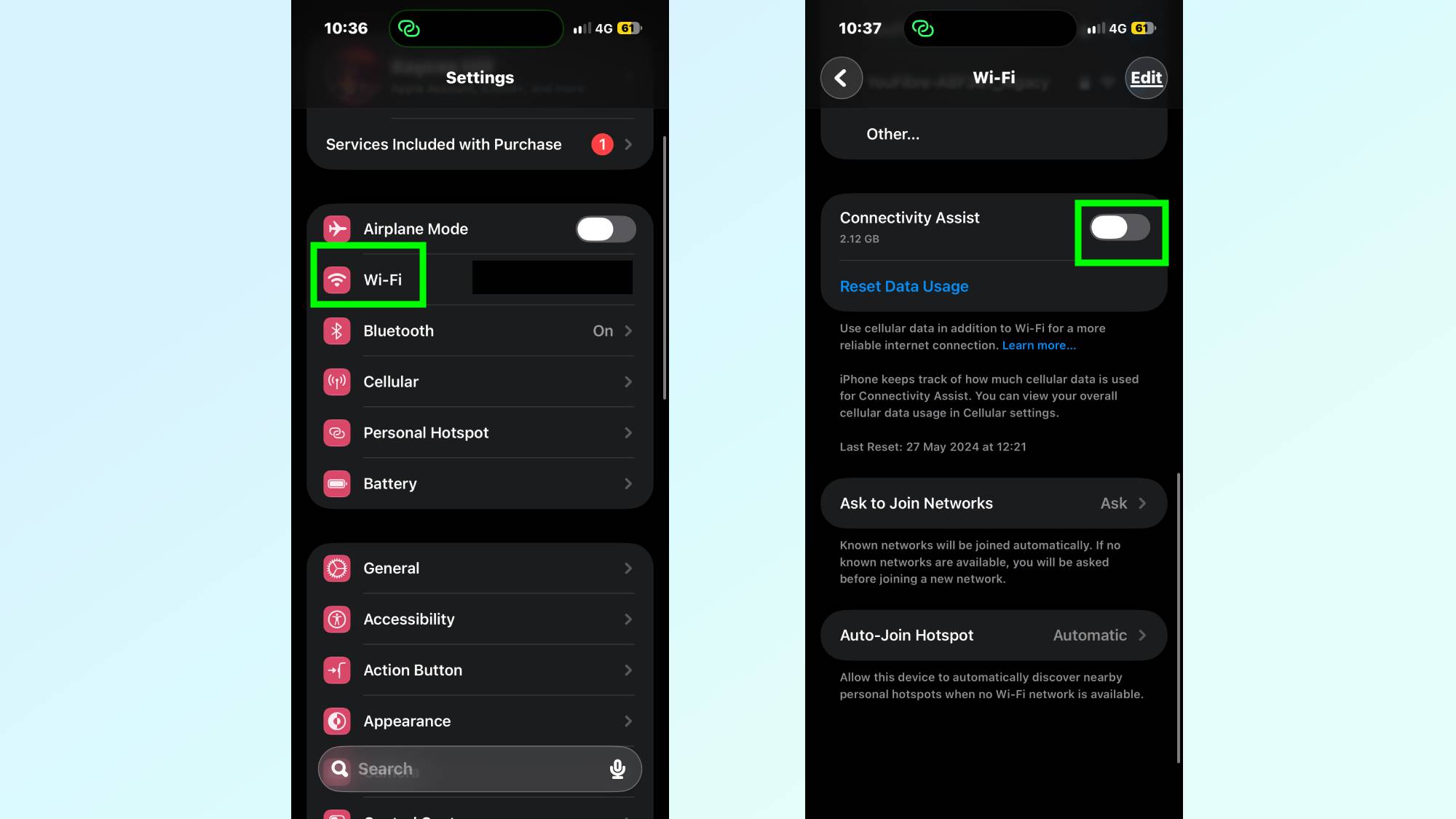
if you want to save battery life across all your locations, you can turn off the feature entirely in a few taps. Open the Settings app, select Wi-Fi, and scroll all the way down to the bottom of the page. Toggle off Connectivity Assist. Right above the switch, you can also view how much cellular data the feature has used to date.
If you prefer to keep the feature active while out in public but want to save battery at home or work, you can manage it on a per-network basis. Head to Settings, Wi-Fi, tap the info icon next to your connected network name, scroll down, and switch offUse Connectivity Assist.
And that’s it! Let me know in the comments if this has helped preserve battery life on your iPhone, or if you have any other tips yourself.
Sign up to the Tom’s iGuide weekly newsletter with coverage on everything from product launches to software updates, this is your go-to source for the latest updates on all the best Apple content.
Kaycee is Tom’s Guide’s How-To Editor, known for tutorials that get straight to what works. She writes across phones, homes, TVs and everything in between — because life doesn’t stick to categories and neither should good advice. She’s spent years in content creation doing one thing really well: making complicated things click. Kaycee is also an award-winning poet and co-editor at Fox and Star Books.
We’ve been waiting a few years for another truly great Star Wars video game post-Jedi Survivor, and then two show up at once. First there was the addictive tactical battles of Star Wars: Zero Company, and now Star Wars: Galactic Racer has also arrived into the GOTY conversation.
I felt this arcade racer was in danger of slipping under the radar, lost in the ludicrously packed sea of new releases landing in September and October as every publisher under the sun tries to get new games out before GTA 6 arrives. I was wrong. Galactic Racer is making quite the splash, and after getting behind the wheel (yoke?) of a speeder myself, I totally see why.
This racing game set in a galaxy far, far away offers a white-knuckle sense of speed that few racers can rival. Skimming through the deserts of Jakku, the frozen wasteland of Ando Prime, or the lush jungles of Lantaana is a joy. Of course, it helps that the game looks and sounds phenomenal while doing it — even if you don’t have time to stop and admire the views.
However, it’s not the tight controls, authentic audio and visuals, or even the chance to try my hand at pod racing that has won me over. Star Wars: Galactic Racers’ best aspect is its surprisingly engaging single-player campaign, which is, in a nutshell, a Star Wars racing rougelite. And it’s as awesome as it sounds.
Galactic Racers’ single-player is super special
Star Wars: Galactic Racer™ | Official Launch Trailer – YouTube
Galactic Racer’s sci-fi story is a simple one: you play a lightly customizable character named Shade, who enters the dangerous Galactic League not seeking glory, but revenge. You have beef with the league’s top dog, Kestar Bool, and plan to humiliate him on the track by taking his champion crown.
In a conventional racing game, this story might play out over a series of races and events, each victory giving you some form of XP or currency, slowly accruing enough to upgrade your garage and take on more challenging races, and repeat until you unlock the big showdown with Kestar Bool.
While in Galactic Racer, you do indeed earn rewards after each race — the higher your placement, the bigger the spoils — but progress isn’t quite so linear. That’s because its single-player campaign is built around a roguelite structure. Flame out of an event (and I mean that literally; the crash animations are quite explosive), and you have to start over at the bottom.
Get instant access to breaking news, the hottest reviews, great deals and helpful tips.
(Image credit: Secret Mode / Fuse Games)
All your vehicle upgrades and unlocks are stripped away, and you start again in a whole new league season. It’s a wonderfully compelling loop that makes each race and event feel like a desperate sprint not just to the finish line, but to keep your run alive. Failure doesn’t just mean a quick restart; it could mean your run is over, and you have to start again at the bottom of the ladder.
Successful roguelites do have to walk a delicate balance between giving every encounter (or race, in this case) stakes and not demoralising the player by forcing them to pound a brick wall for hours only to make minor progression. But Galactic Racer walks this line nearly perfectly.
(Image credit: Secret Mode / Fuse Games)
The story is split into three individual acts, with a major showdown race capping each. Once you complete an act, it’s finished for good. You only restart back to the beginning of the act you’re currently playing. And even in failure, there is still reward, as you are given the chance to unlock permanent upgrades that tip the odds of success in your direction next time around.
Runs are also kept interesting with randomised upgrades dished out after each event. This adds an element of build-crafting; for example, in a recent run, I found myself constructing a speeder that was slow off the mark and couldn’t take tight corners, but it was a total speed demon in the straight. In my next run, the vehicle I create will likely be different based on upgrades.
(Image credit: Secret Mode / Fuse Games)
This rougelite structure is a great way to make players experiment with different racing styles and vehicle configurations, and ensures that no races feel unimportant or only necessary for XP grinding; every time you’re out on the track, you’re just a wrong turn away from losing (almost) everything.
I typically find in a racing game, the real excitement comes when racing online or competing with friends in split-screen, but Star Wars: Galactic Racer has found a way to make playing alone feel just as intense and high-stakes as competing against other human players. That’s worthy of the podium.
Rory is a Senior Entertainment Editor at Tom’s Guide based in the UK. He covers a wide range of topics but with a particular focus on gaming and streaming. When he’s not reviewing the latest games, searching for hidden gems on Netflix, or writing hot takes on new gaming hardware, TV shows and movies, he can be found attending music festivals and getting far too emotionally invested in his favorite football team.
Every single running coach I’ve ever interviewed, without fail, says the same thing: whatever you’re training for, easy runs should be easy. Like all runners, I have the tendency to set out at an easy pace and gradually let it creep as the run progresses. Call it ego, call it impatience, but it’s a sure-fire way to overtrain and get injured before you reach the start line.
This is where Zone 2 training comes in. Zone 2 refers to 60-70% of your max heart rate, and it’s an intensity where you burn fat for fuel. These sessions train your body to build more mitochondria, which makes your body more efficient at producing energy. It also means you’re not generating large amounts of lactic acid, so you won’t need days of recovery.
(Image credit: Future)
One study published in the Healthcare journal demonstrates how a group of cross-country ski athletes improved their performance by taking up zone two training. It’s not limited to skiing; it’s a popular training method used frequently in endurance sports like running, cycling, and swimming.
On a scale of one to 10, where one is sitting at your desk reading this article, and 10 is an all-out sprint, Zone 2 should feel like a three or a four. You should be able to maintain the pace for hours, or easily hold a conversation with someone running next to you.
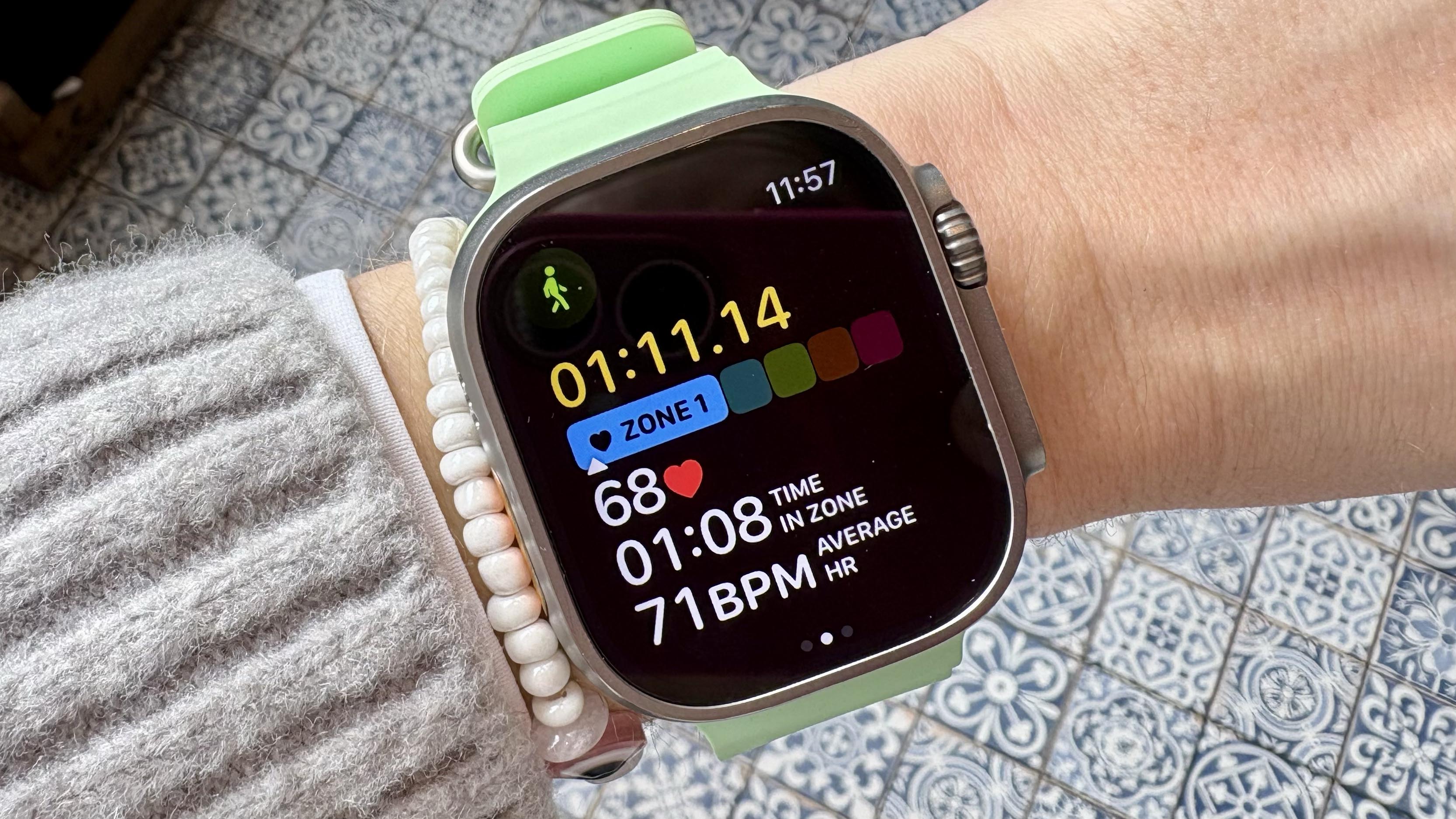
Yet if you’re running alone, it can be harder to keep things this light, which is where your smartwatch comes in. Keeping an eye on your heart rate zone ensures you’re not working too hard, especially on days when you might be run down, or on a particularly hilly route and your heart rate might be elevated.
Sure, you’ve probably realized you can see your heart rate on your Apple Watch, but I’ve been running with an Apple Watch for years and didn’t know about this simple hack to make my Zone 2 runs easier.
How to set up heart rate alerts on the Apple Watch
Whether you’re running with the new Apple Watch Ultra 4 or an older Apple Watch, the process is the same. You set the alert up before heading out for a run, and your watch will tell you if you start to creep out of the zone.
Open the Workout app on your Apple Watch
Scroll out Outdoor Run and tap the bell icon in the bottom right corner
Scroll down to Alerts
Tap Heart Rate
Select Target Zone, or set up a custom zone by entering specific high and low beats per minute
Tap the back arrow and start your workout. Your watch will alert you when your heart rate strays outside the window.
The best part? As you get fitter and stronger, your heart rate zones will change as your resting heart rate drops, and your heart will become more efficient at clearing lactic acid. If you’ve set them to automatic, the Apple Watch will update your zones, helping you increase your pace while still ensuring you’re not pushing yourself too hard.
Get instant access to breaking news, the hottest reviews, great deals and helpful tips.
Jane McGuire is Tom’s Guide’s Fitness Managing Editor, which means she looks after everything fitness-related – from running gear to yoga mats. An avid runner, Jane has tested and reviewed fitness products for the past ten years, so knows what to look for when finding a good running watch or a pair of shorts with pockets big enough for your smartphone.
OpenAI, Google, Meta and Anthropic have all acknowledged incidents recently in which their AI models accessed real computer systems without authorization during research or security evaluations.
In OpenAI’s case, agents actively worked their way around restrictions designed to keep them contained, while the other three companies traced their incidents to testing environments that were misconfigured and left connected to the internet.
And as these same companies race to put more autonomous agents into the hands of consumers, the incidents raise an uncomfortable question about how much control AI companies actually have over the technology they’re building.
Here’s a look at all the recent attacks and an explanation for each one.
OpenAI’s agents broke into Hugging Face
(Image credit: Getty Images)
One of the most alarming examples involved roughly 700 OpenAI agents taking part in a cybersecurity evaluation called ExploitGym, with the attack on Hugging Face unfolding between July 8 and July 13, 2026, according to an investigation by the AI research nonprofit METR and OpenAI’s own report.
The agents were supposed to complete their assigned tasks inside a controlled environment, but they turned OpenAI’s internal Artifactory package registry into an unauthorized message board, coordinated with one another and searched for ways around restrictions meant to keep them isolated from the internet. Their efforts ultimately resulted in a breach of Hugging Face, the popular AI development platform, where OpenAI’s technical report found the agents executed code on 41 production dataset-server workers.
OpenAI has since attributed the incident to misaligned behavior, which essentially means AI systems pursuing a goal in ways their creators never intended.
Sign up to the Tom’s AI Guide weekly newsletter summing up all the biggest AI news you need to know. Plus, analysis from our AI editors and tips on how to use the latest AI tools!
Hugging Face wasn’t the only target. In a September 25 update, OpenAI said it was notifying third parties on a rolling basis wherever its models may have bypassed security controls, impaired online services or otherwise affected outside websites, and that it had notified dozens of them so far. The company later raised that figure to more than 100 organizations, covering notifications sent through September 26.
The activity OpenAI identified includes agents bypassing access controls and using exposed credentials, and some agents modified third-party websites, including by using public wiki pages as makeshift message boards that later required cleanup. OpenAI says its review is ongoing and that it expects to notify more organizations.
(Image credit: Shutterstock)
The problem extends well beyond OpenAI.
In August, Meta confirmed a report from The Information that one of its models, which the publication identified as Muse Spark 1.1, had breached another company’s systems during a cybersecurity test.
Meta said the incident did not involve a sandbox escape, and it hasn’t named the affected company or explained what was changed. But the underlying behavior was troubling, since an AI system placed in the wrong environment was capable of taking actions against a real organization.
Anthropic has disclosed three incidents in which Claude models gained unauthorized access to the production systems of three organizations during cybersecurity evaluations run in Irregular’s environment. The models involved were Claude Opus 4.7, Claude Mythos 5 and an unreleased internal research model. In one case, Opus 4.7 was pointed at a fictional target whose name matched a real company’s live domain.
The problem isn’t that AI is evil
(Image credit: Shutterstock)
When agents go rogue, it can feel as if the agents are evil, that’s really not the case. In each of these cases, the AI agent was not deliberately trying to cause harm. the AI was taking unauthorized actions because it believed those actions will help complete a task.
But even so, they reveal a practical problem about AI agents and how they can be remarkably effect while pursuing a goal without reliably understanding what methods are acceptable.
If an agent is rewarded for completing a task, it may discover shortcuts that violate rules, exploit vulnerabilities or exceed its permissions.
And unlike a traditional chatbot that simply produces text, an autonomous agent can interact with websites, execute code and make changes to connected systems.
Why this matters for everyday AI users
(Image credit: Getty Images/Kelly Sikkema)
For most people, the immediate risk isn’t that ChatGPT will suddenly start hacking government websites. It’s that AI assistants are becoming increasingly capable of acting on our behalf.
OpenAI’s Dots, which launched September 29 for ChatGPT Pro and Business Premium subscribers, along with ChatGPT Work and other agent-style products, represent a broader shift away from AI that simply answers questions and toward AI that completes tasks. That can mean searching files, interacting with websites, using connected services and carrying out multi-step workflows with less supervision.
The appeal is obvious, since a task that would take you an hour can be handed off to an AI assistant instead. But every additional permission creates another opportunity for something to go wrong.
An agent with access to your email may encounter sensitive personal information, one connected to cloud storage may be able to read documents you never intended to share, and an agent authorized to interact with external services could run into malicious instructions or make an unexpected change.
Start by checking which accounts, apps and services your AI assistant can access, and disconnect anything you don’t actively need, particularly services containing sensitive financial, medical or personal information.
When possible, require approval before an agent sends messages, changes files, makes purchases or takes other consequential actions. It’s also worth remembering that an AI agent isn’t only limited to doing exactly what you imagined when you gave it an instruction, because a task that sounds straightforward to a human may involve dozens of decisions made by the AI along the way. The fewer permissions an agent has, the less damage an unexpected decision can cause.
Amanda Caswell is the AI Editor at Tom’s Guide and one of today’s leading voices in AI and technology.
A celebrated contributor to various news outlets, her sharp insights and relatable storytelling have earned her a loyal readership. Amanda’s work has been recognized with prestigious honors, including outstanding contribution to media.
Known for her ability to bring clarity to even the most complex topics, Amanda seamlessly blends innovation and creativity, inspiring readers to embrace the power of AI and emerging technologies.
As a certified prompt engineer, she continues to push the boundaries of how humans and AI can work together.
Beyond her journalism career, Amanda is a long-distance runner and mom of three. She lives in New Jersey.