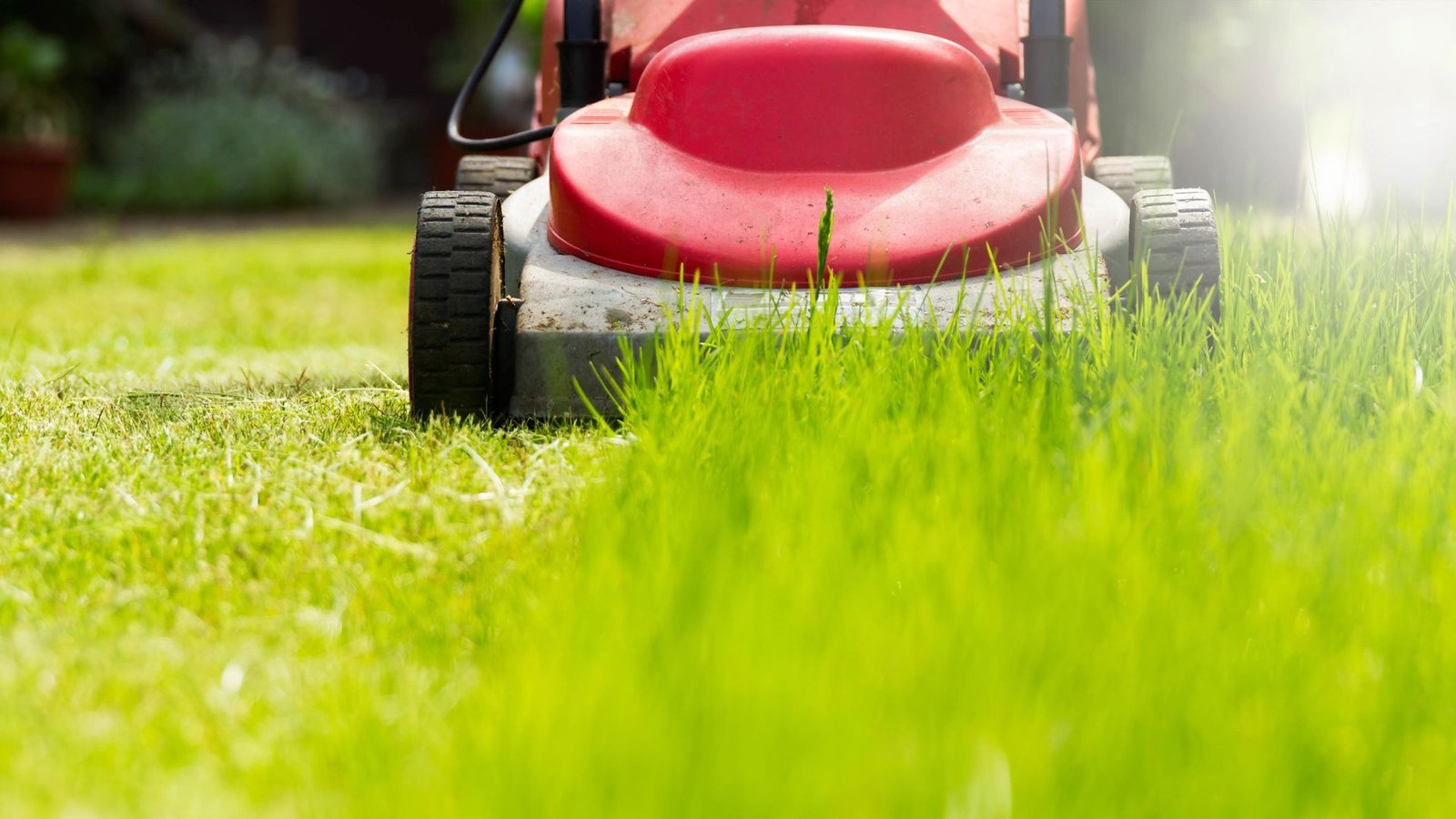
That last cut before winter is the trickiest mow of the year, and most lawn damage blamed on harsh winter weather actually starts with a badly timed final pass. Leave your grass too long and damp fall air turns it into a breeding ground for moss and snow mold, scalp it too short or mow over waterlogged turf, and the first hard freeze will weaken the roots until spring.
Because shifting fall weather rarely follows a neat schedule, watching the calendar will only steer you wrong. Instead, your lawn gives away one clear visual sign when it is ready for winter, and knowing how to spot it, alongside a few simple mower adjustments, makes all the difference before the first freeze arrives.
The clear sign your grass is ready for winter
The surest signal it’s time to pack the mower away is when your grass noticeably stops growing between cuts. Once the blades stay roughly the same height a week or two after a trim, your lawn has entered winter dormancy and no longer needs cutting.
Grass responds directly to soil and air temperatures, so most cool-season lawns continue putting on slow growth until daytime temperatures dip consistently below 50°F (and around 60°F for warm-season grasses).
As long as your turf is still actively growing, it benefits from occasional maintenance — but once temperatures drop and growth stalls, continuing to mow only stresses dormant blades that cannot repair themselves until spring.
How to get your final winter cut right
When your grass is still putting on a little growth in late fall, a careful, well-timed trim sets it up to bounce back thicker and greener next year. Follow these four rules before storing your mower for the season:
Raise your mower blades
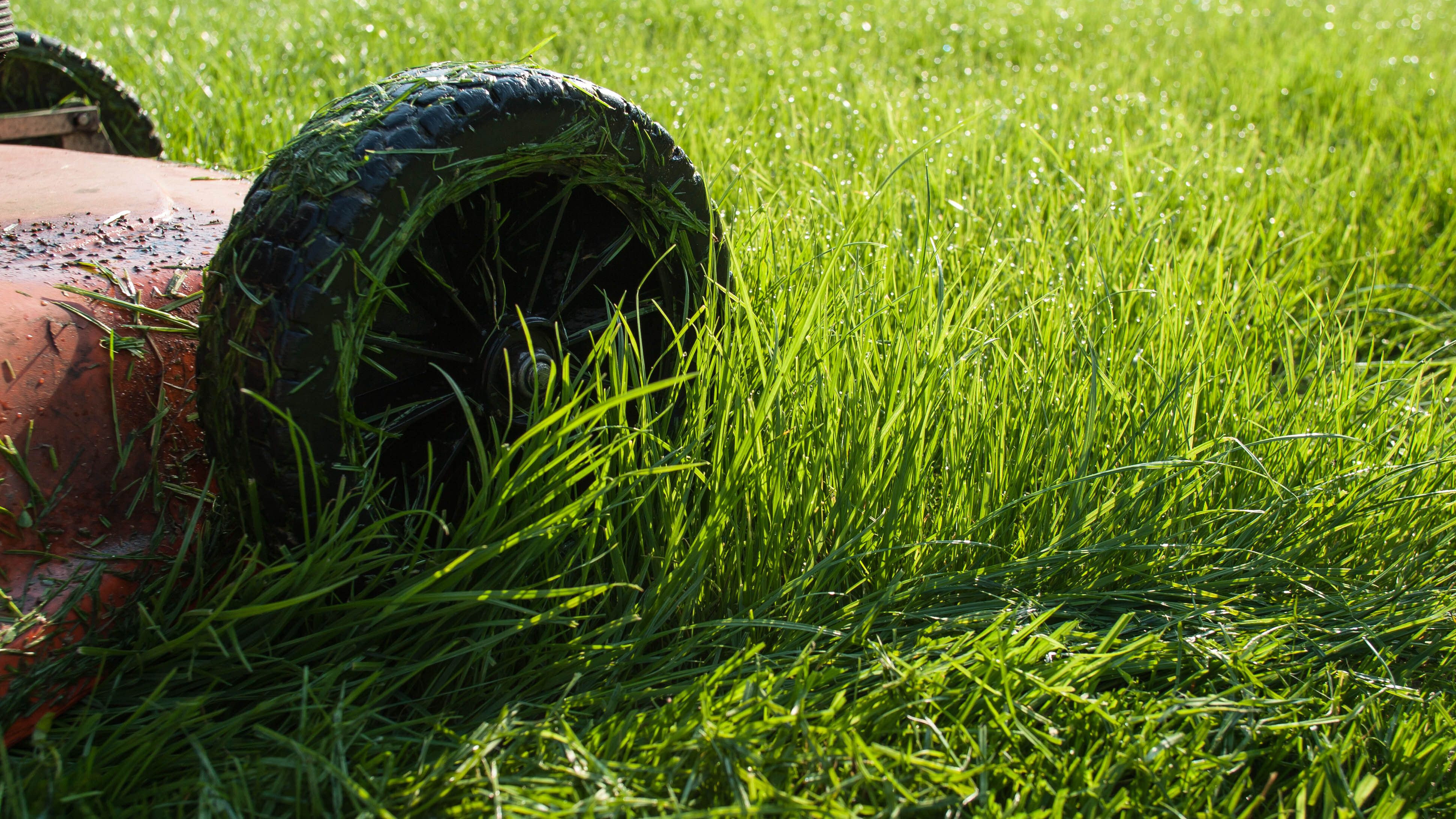
Never scalp the lawn for its final pass of the year. Set your mower to one of its highest settings, leaving the grass around 2 to 2.5 inches tall, so the blades have enough surface area to absorb winter sunlight while shielding the roots from freezing air.
Clear fallen leaves first

Before making your final pass, rake or blow away thick layers of fallen leaves. Wet leaves block sunlight and smother the grass underneath, and running a mower straight over a heavy blanket of them clogs your deck and leaves soggy clumps behind.
Wait for dry grass and firm ground

Fall rain can leave lawns saturated for days at a time. Never mow wet grass or soggy soil, as heavy mower wheels compact the ground, tear out weakened roots, and leave muddy ruts that linger until spring. Wait for a dry, mild afternoon when the turf feels firm underfoot.
Never mow during frost

Even if your lawn looks a little shaggy, keep the mower in the shed whenever frost is on the ground or a hard freeze is in the forecast. Walking on or cutting frozen grass snaps the brittle blades, leaving brown, scorched patches that take months to recover.

Follow Tom’s Guide on Google News and add us as a preferred source to get our up-to-date news, analysis, and reviews in your feeds. Make sure to click the Follow button!