
Apple’s ‘Pro and Tell’ event is just days away, and the tech world is practically vibrating over the rumors of a redesigned OLED touchscreen MacBook Pro.
It sounds like a dream machine. But before you get your wallet out for it, we need to have a very grounded conversation about what that screen is actually going to cost you, and whether OLED is going to be a smokescreen for skyrocketing memory costs.
I’ve been speaking with David Naranjo, Associate Director at Counterpoint Research, who just ran a Bill of Materials (BOM) analysis on what this leap to OLED actually means for the PC industry.
And the data tells a fascinating story: OLED isn’t just making your laptop look prettier. It is fundamentally changing how much you are going to pay, and acting as a very convenient distraction for rising hardware prices.
Brace for a $300 to $500 hike
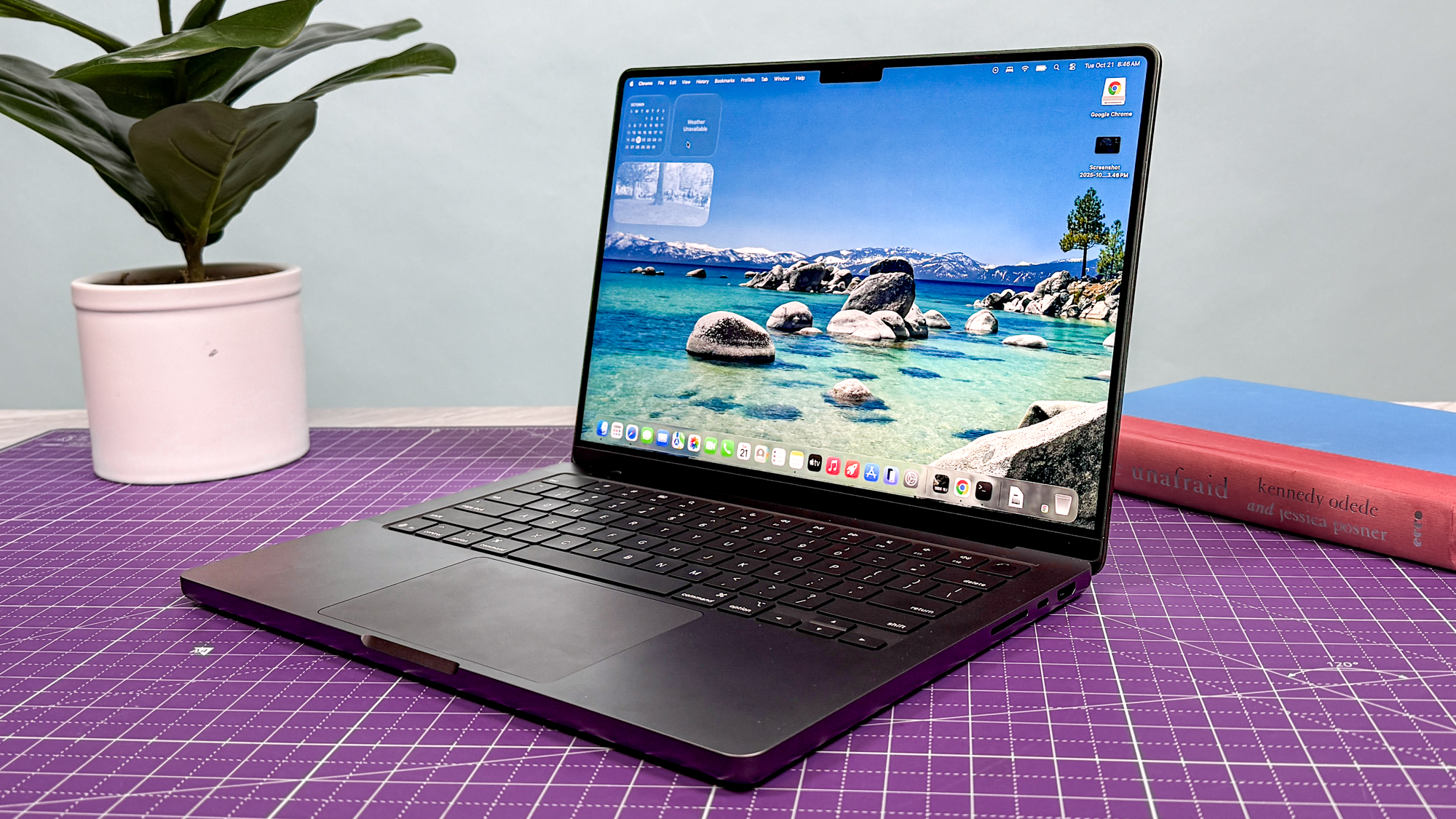
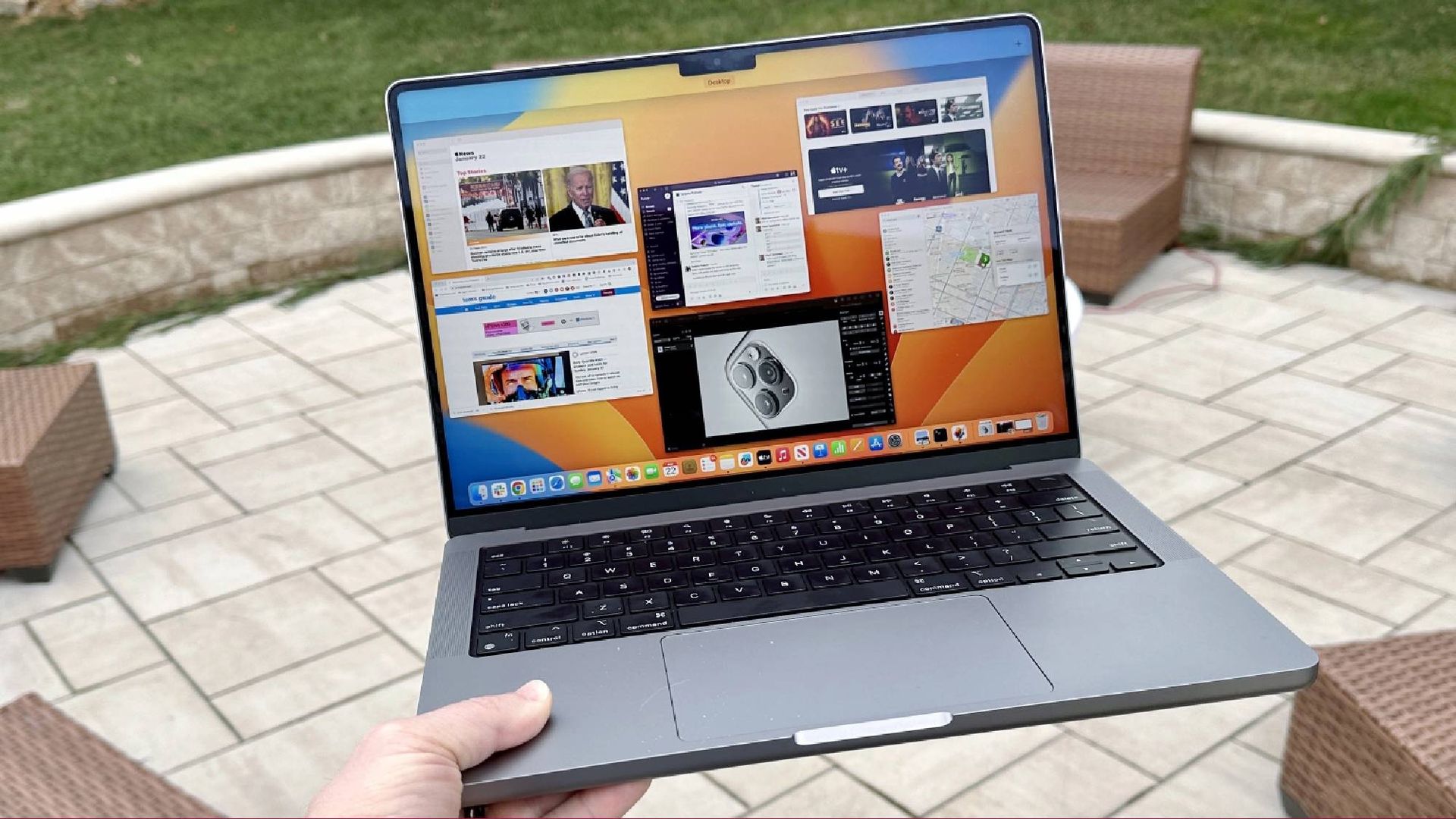
Let’s cut straight to the math. Right now, if you want a 14-inch MacBook Pro with M5 Pro and a mini-LED display, the starting price is $2,499. If Apple drops an OLED model next week, Naranjo is expecting that cost to jump.
“Based on a BOM analysis for the current mini LED model and our IT Panel cost report, I would expect a 14″ OLED version to start between $2,799 and $2,999,” Naranjo commented.
That’s a sizable $3-500 “Apple Tax” increase overnight, so where is that money going? According to Counterpoint, it covers the advanced tandem OLED technology (the same bright, vivid panel you see in the M5 iPad Pro), the long-rumored touchscreen features, and — crucially — ongoing memory expenses.
With PC demand slowing and buyers pinching pennies, Apple and other manufacturers (more on those in a minute) are betting on the higher end — that you’ll pay more for something premium to get those perfectly inky blacks and a touch interface.
The memory cost distraction

Here is where my BS detector starts blaring. Across the tech world right now, we are quietly living through an era of memory hyper-inflation. A “RAMageddon,” if you will.
And over the past year, I’ve seen lots of manufacturers point to new OLED screens as the justification — even when the internal specs haven’t moved an inch.
A great recent example, the Asus ROG Xbox Ally X20 has the same internals as last year’s model, but it’s $300 more and packs an OLED display. Not to say that screen isn’t good, but it got me thinking: is OLED just a shiny smokescreen to soften the blow of massively inflated memory costs?
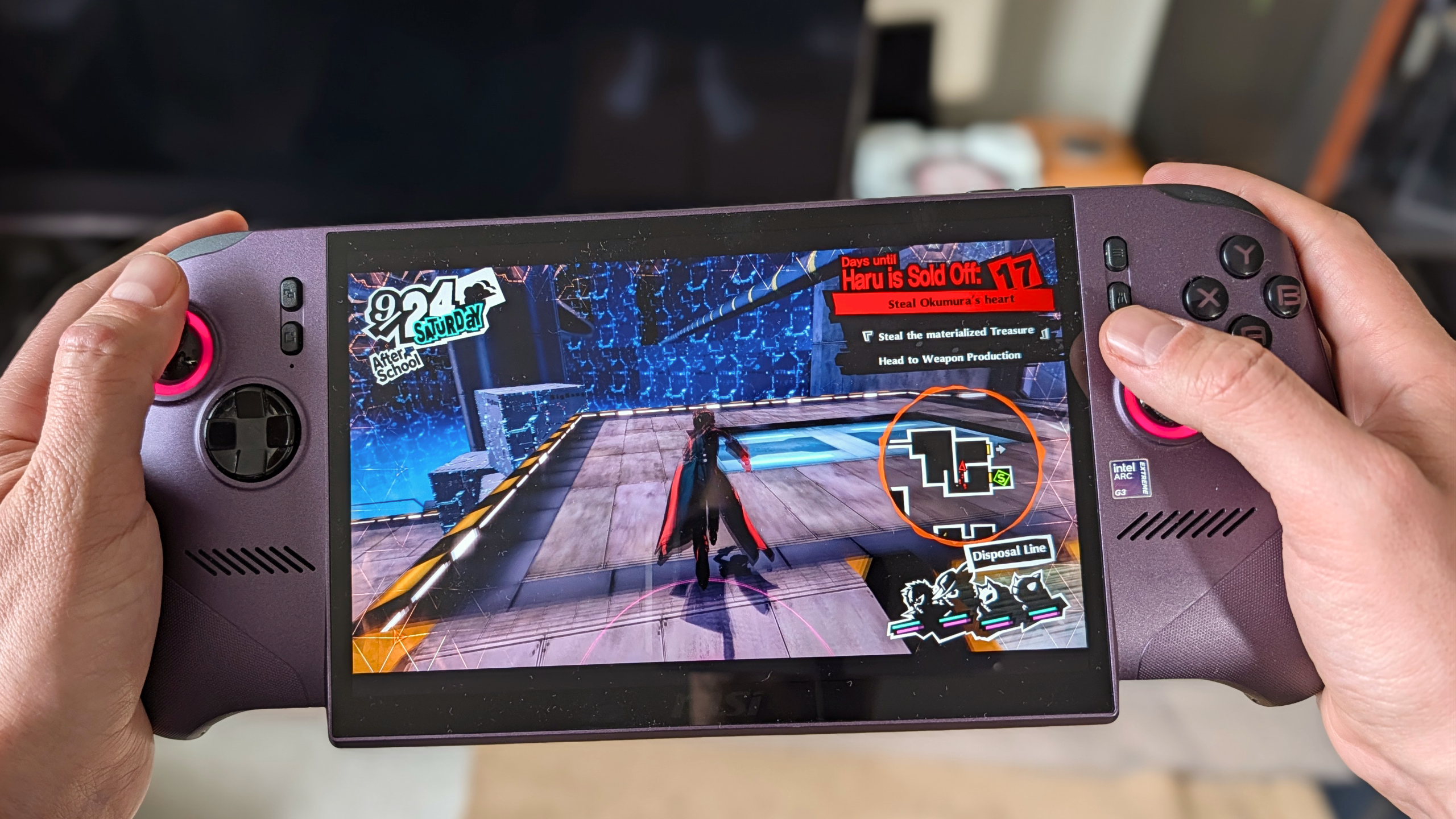
Naranjo wouldn’t go as far as calling it a smokescreen — OLED does genuinely improve contrast, color accuracy and response times after all. But he does admit it is a very convenient shield.
“It’s becoming a way for PC makers to justify higher prices as memory and component costs go up,” he told me. “Manufacturers are using these premium displays to protect their profits and balance the rising costs.”
In other words: RAM and SSD storage are getting ridiculously expensive to acquire right now. Instead of just raising the price of the laptop and making you angry, Apple and others may be slapping a gorgeous OLED panel on the front so you feel like you are getting an upgrade for extra cash.
Plot twist: Windows users should thank Apple?
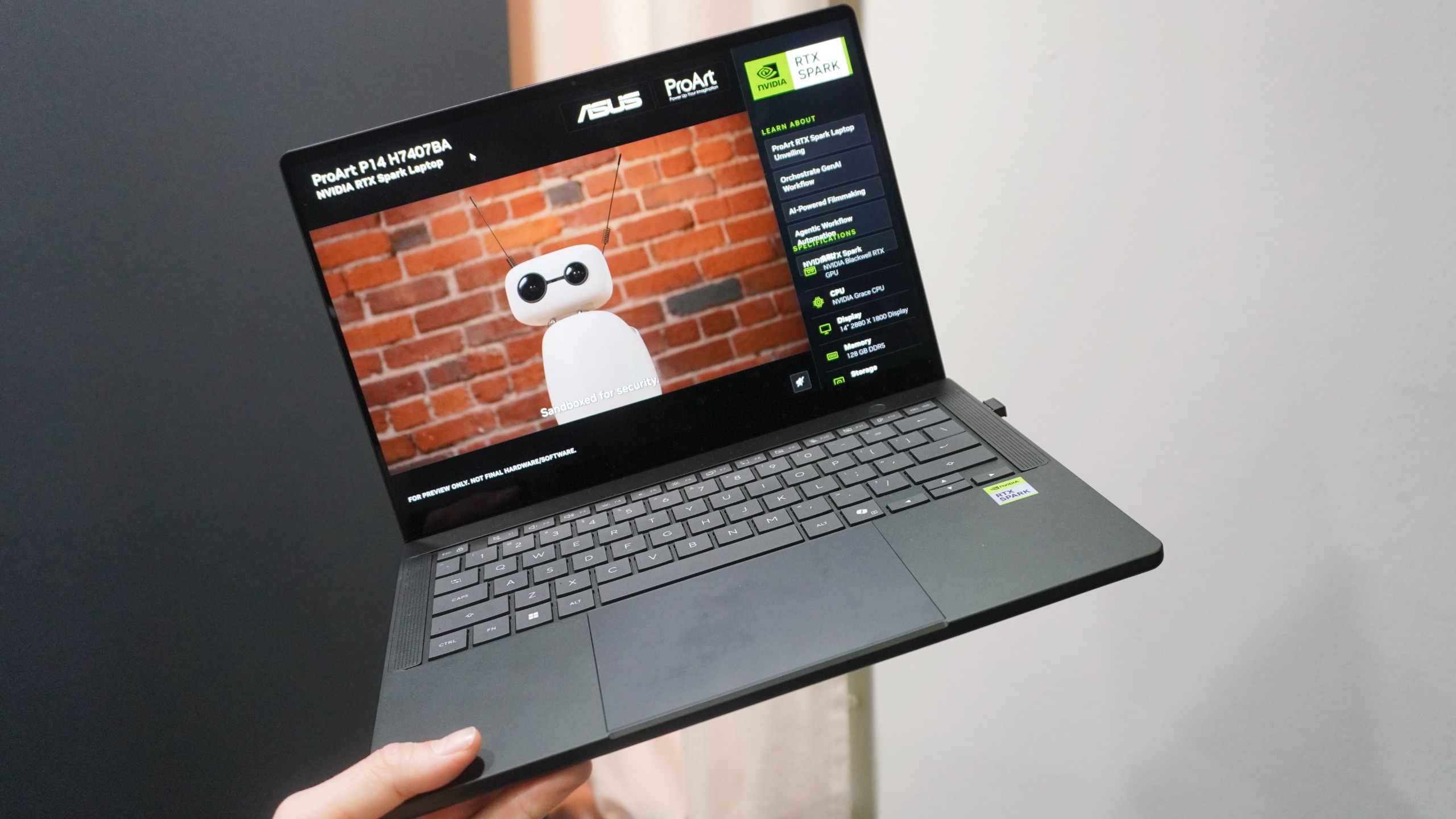
If you use Windows laptops from the likes of Asus, Lenovo HP or Dell, you’re probably rolling your eyes right now. They’ve had stunning OLED screens for years. So why is Apple getting the credit for a “turning point” in the industry?
Put simply, it comes down to supply chain bullying.
Apple isn’t the first to the party (same as they weren’t with the iPhone Duo), but they buy at a scale that bends reality. “Thanks to its influence and buying power, Apple could speed up investment in the display supply chain,” Naranjo notes.
Just like they did with smartphones, when Apple adopts OLED for MacBooks, display factories have to massively expand their manufacturing capacity.
That expansion improves production yields and inevitably lowers the cost of the screens for everyone. Counterpoint forecasts OLED notebook panel shipments will jump 50% in 2026, while mini-LED (the current MacBook Pro tech) plummets by 38%.
Apple’s rumored leap next week would subsidize cheaper OLED screens for budget and mainstream Windows laptops over the next four years.
The verdict
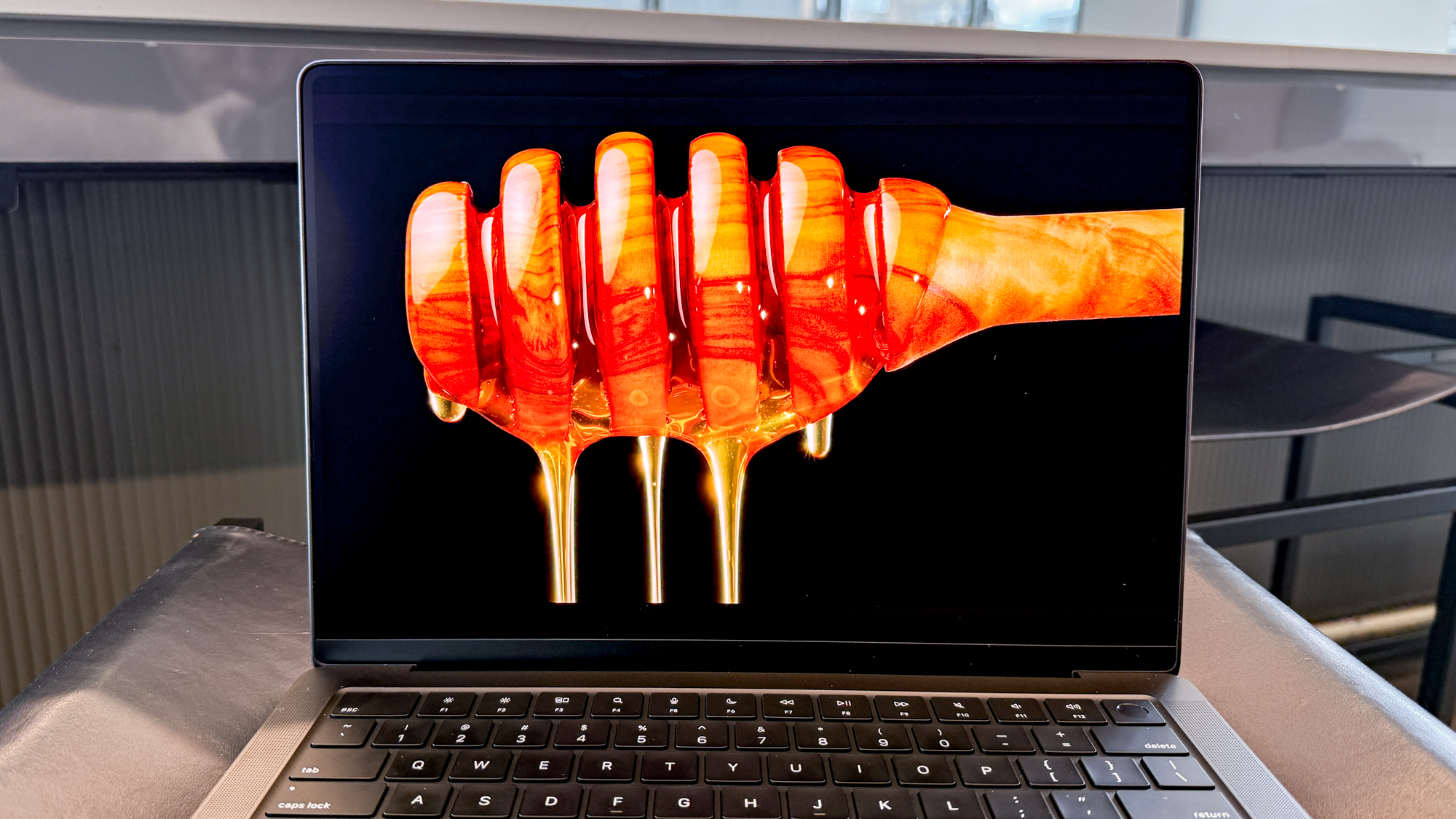
If this announcement happens next week, and you’re planning to hit the “buy” button on an OLED MacBook Pro, you need to accept you’re probably paying quite the early-adopter tax to cover rising memory costs.
If your livelihood depends on perfect color accuracy, or you have been desperately waiting to touch your Mac’s screen, that $2,799 starting price might be worth it to you.
But if you just need a reliable, lightning-fast workhorse, this price prediction is your ultimate signal. I mentioned this in other articles before but to summarize: wait for that October 28 event and watch the current mini LED MacBook Pro prices like a hawk.
Outgoing stock plus Black Friday build-up means you can expect some steep discounts.

Follow Tom’s Guide on Google News and add us as a preferred source to get our up-to-date news, analysis, and reviews in your feeds.
More from Tom’s Guide
- I’ve been living with Nvidia’s RTX Spark for a week — it’s not a MacBook Pro killer but something much weirder and wildly powerful
- I’ve been testing dozens of iPhone Duo apps — here’s my top 15 picks so far
- iPhone Duo full benchmarks — the world’s fastest foldable, but how does it stack up to iPhone 18 Pro?
Next Badge:
More Comments/Likes Until Your Next Badge