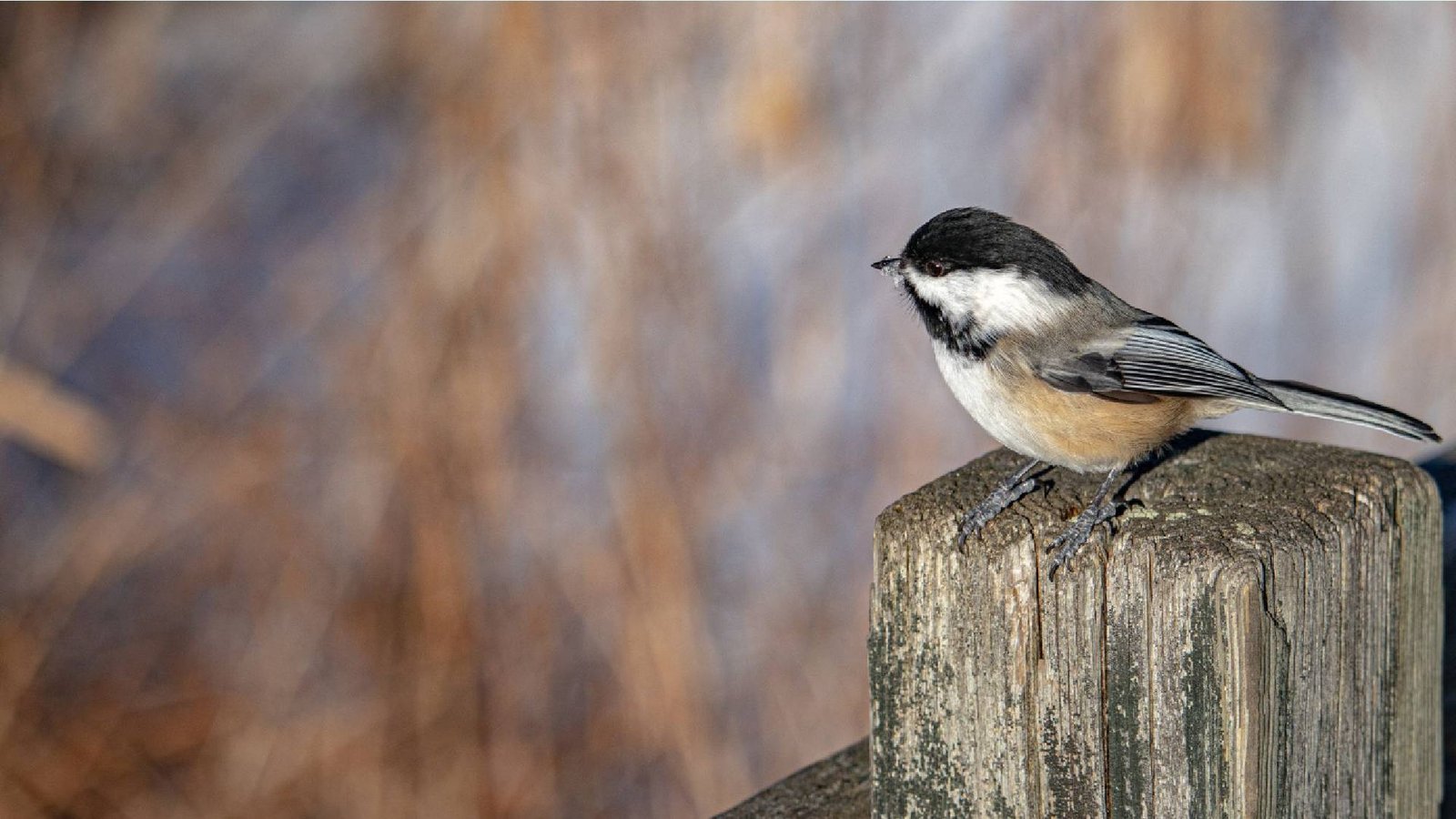
It is almost unbelievable that a bird weighing less than a single AA battery can survive sub-zero nights, but black-capped chickadees are absolute winter tough guys.
To make it to morning, these tiny songbirds intentionally drop their own body temperature by up to 15 degrees overnight just to save energy. But that survival mode comes at a steep price. A chickadee can burn through up to 10% of its entire body weight in a single freezing night just keeping its heart beating. By sunrise, their engine is running completely on empty.
When a cold snap hits and natural seed sources get locked under a layer of ice, their margin for survival drops to zero. Giving them a fighting chance to rebuild those critical fat reserves before sunset comes down to one simple, high-impact yard addition.
1. The fall calorie scramble
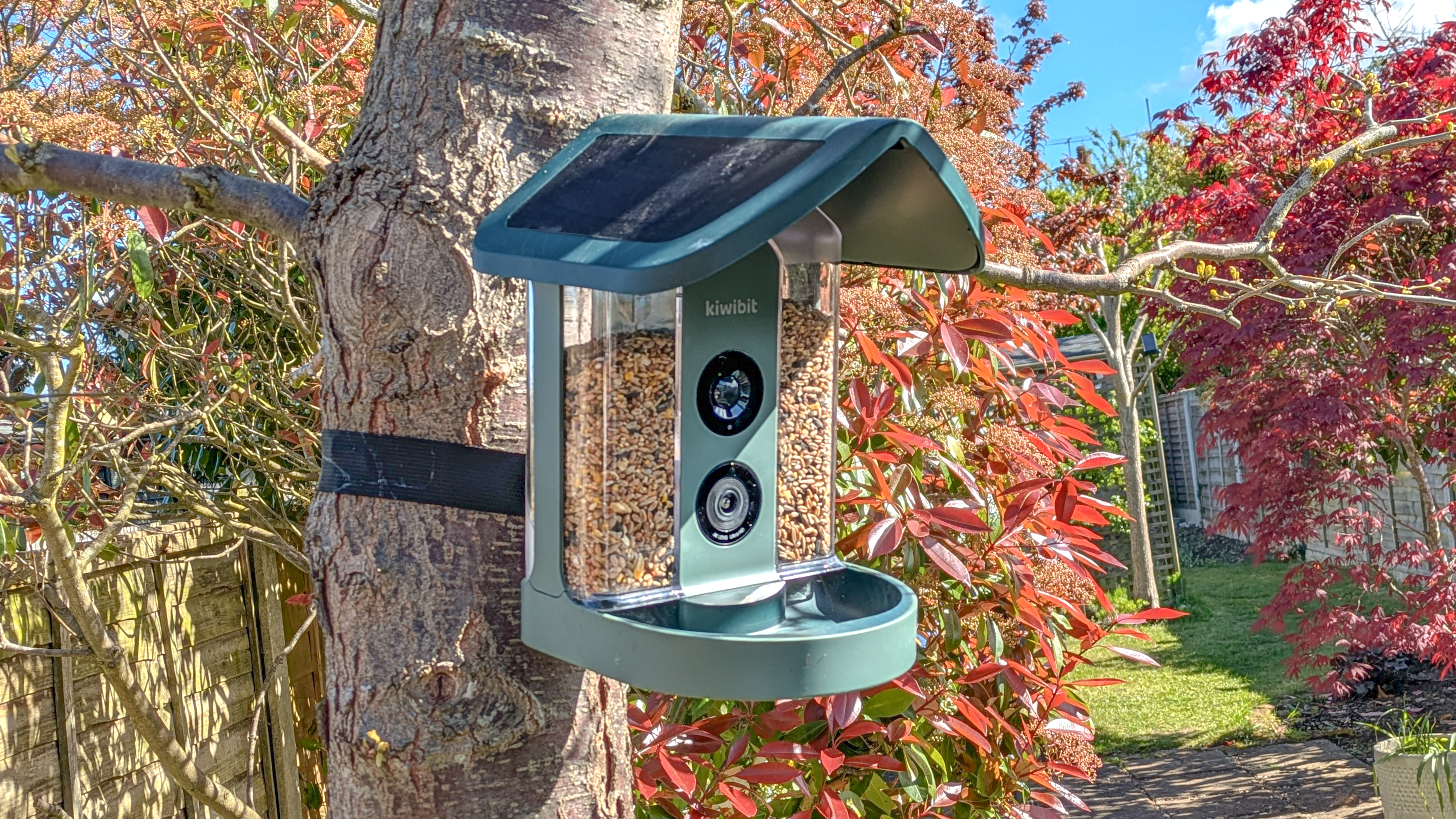
As crisp fall weather settles in and daylight hours shrink, chickadees go into overdrive to build up their winter fat reserves. Because they burn through energy at a blistering pace just maintaining their body heat as nighttime temperatures drop, every daylight hour counts.
Standard birdseed blends packed with filler like red millet or milo just won’t cut it— chickadees toss those aside because they don’t offer the massive caloric payoff needed for chilly nights. To make a real difference as temperatures slide, backyard feeders need to focus heavily on dense, easily accessible fats.
2. Shift to high-fat suet and sunflower seeds
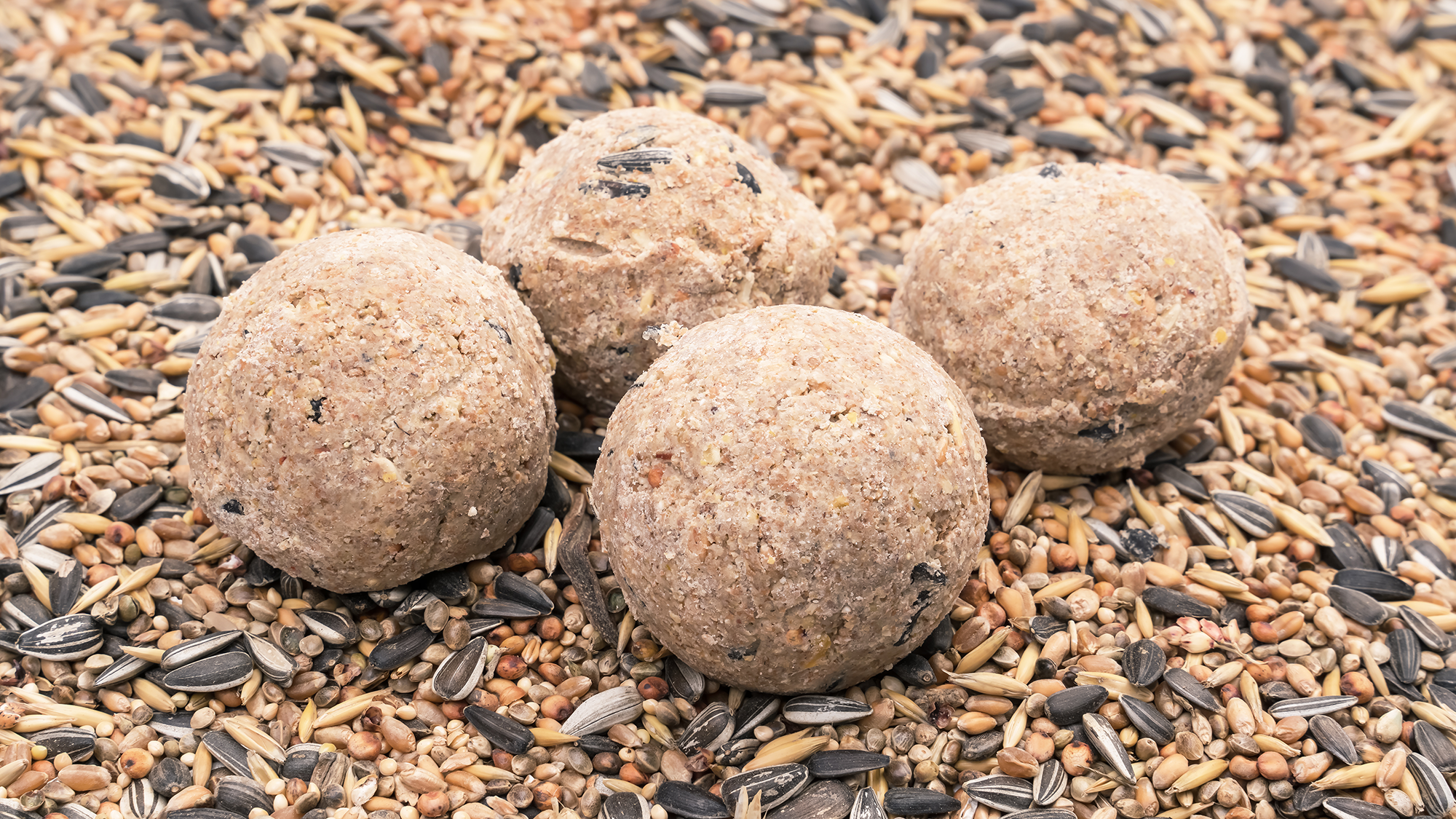
The single most effective tweak you can make is introducing high-fat suet cakes and pure black oil sunflower seeds. Suet provides concentrated fat that chickadees digest in a flash to convert straight into warmth, while black oil sunflower seeds feature thin shells that small beaks can easily crack to reach the oil-rich kernel inside.
If you can, position suet feeders near evergreen bushes or thick tree canopies now so birds can grab high-calorie bites shielded from autumn wind gusts.
3. Protect feeders from damp weather
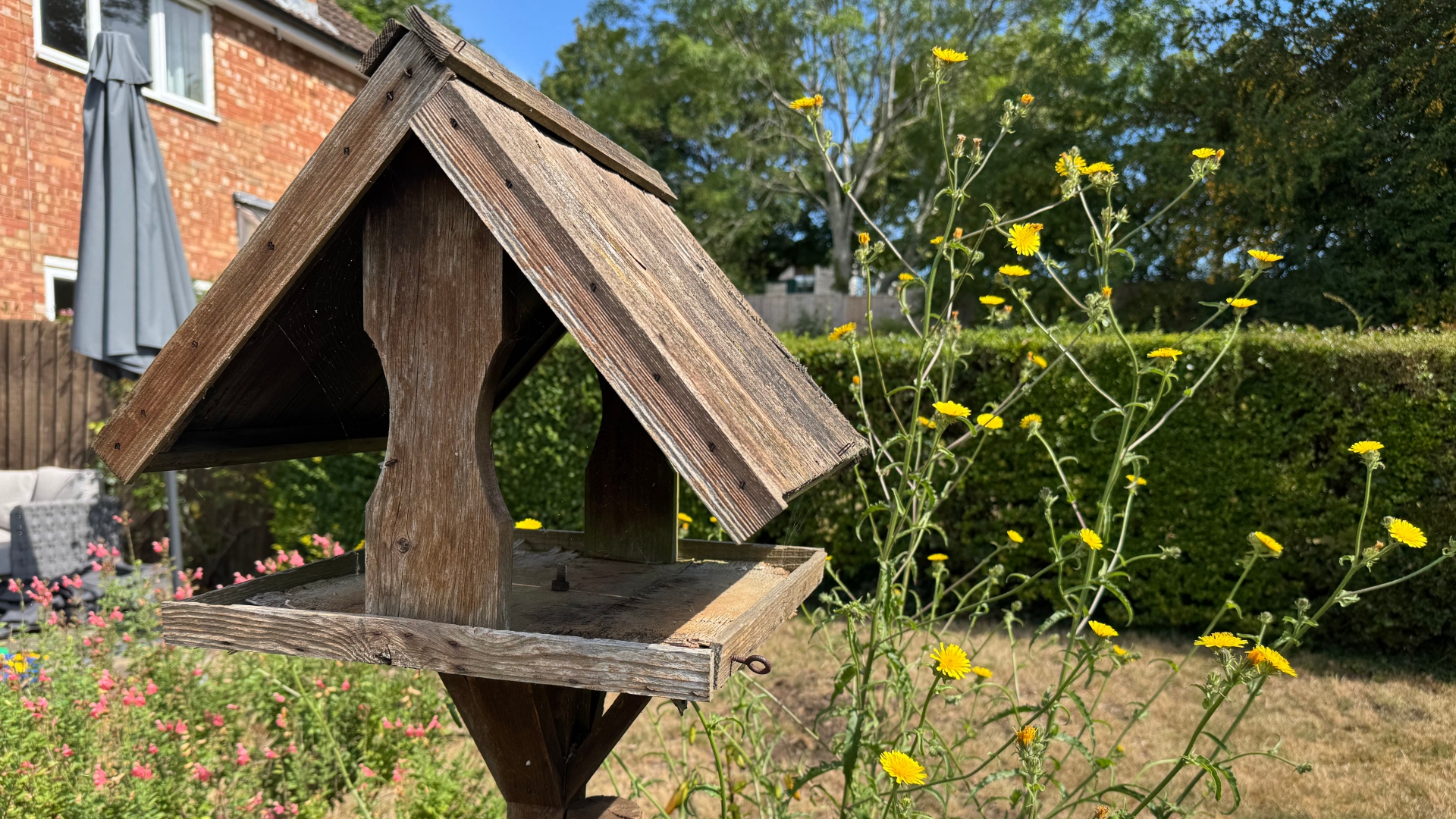
Late fall rain, sleet, and early frost can quickly turn open birdseed into a soggy, clumpy mess that spoils or freezes into a solid block as nights get colder. Installing a wide baffle or weather guard above your feeders is a good idea, as it ensures it stays dry and easy to eat.
Giving your feeders a quick morning check keeps a reliable, fresh food supply ready for chickadees right as they wake up from a chilly night.
4. Provide clean shelter and water
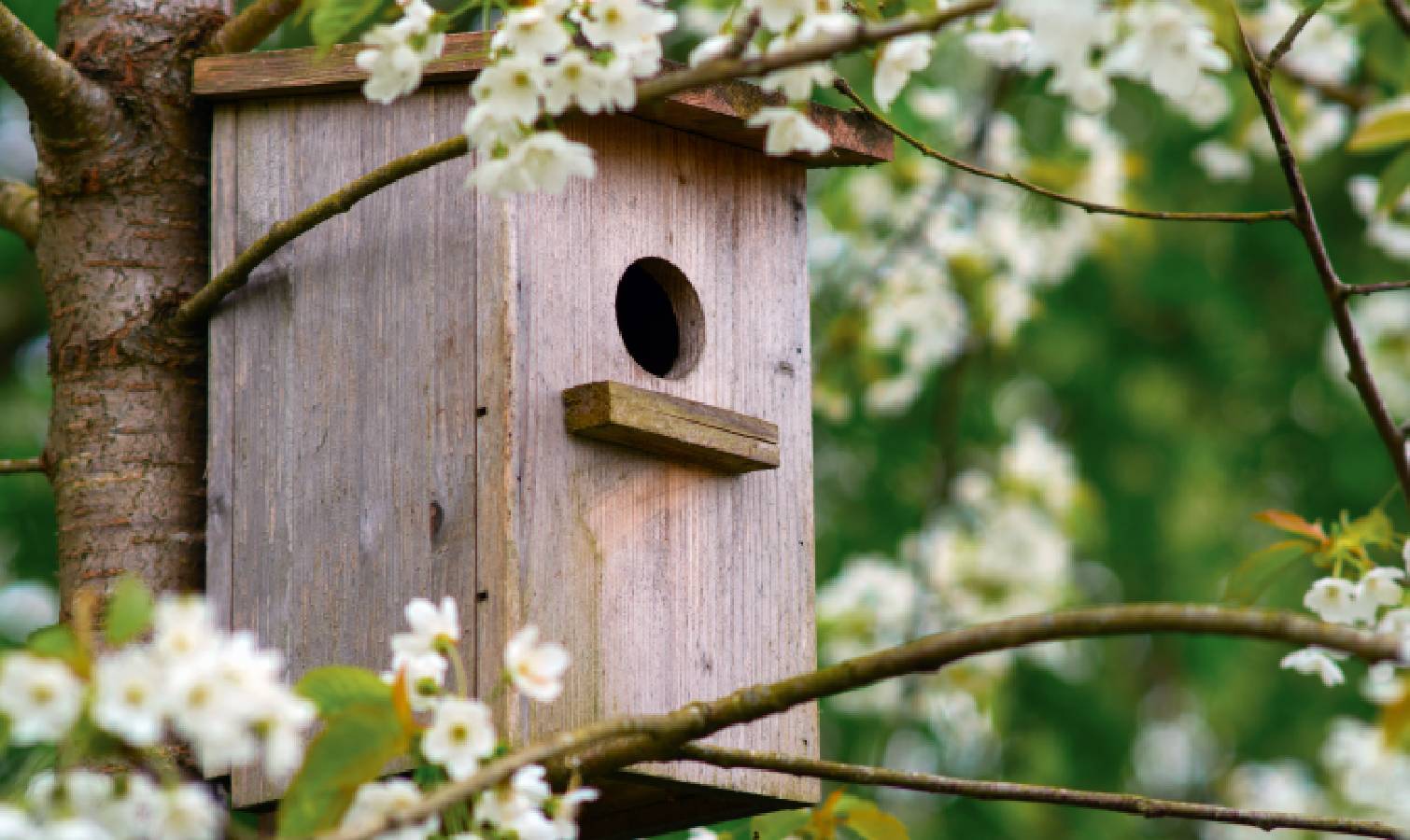
Calories supply internal heat, but decent shelter keeps autumn winds from stealing it away. Leaving roosting boxes, natural tree cavities, or dense brush piles intact around your yard gives chickadees a cozy refuge to tuck into as evening temperatures drop.
It also pays to keep fresh water accessible. Offering liquid water via a simple birdbath heater prevents them from having to waste precious body energy drinking near-freezing water as the autumn frost sets in.

Follow Tom’s Guide on Google News and add us as a preferred source to get our up-to-date news, analysis, and reviews in your feeds. Make sure to click the Follow button!