Tom’s Guide Verdict
When most luxury SUVs easily cost $80K, the 2027 Rivian R2 Performance delivers an unbeatable mix of everyday utility and refined software that sets a high bar for mid-size electric SUVs. With a price point of under $60,000, it makes it way easier to buy for most people.
Reasons to buy
- +
Attractive price point for a luxury SUV
- +
Spacious interior with plenty of storage space
- +
Surprisingly efficient for its size
- +
Outstanding sound system
- +
Superb Autonomy+ performance
- +
Detailed cameras and integrated dash cam
Reasons to avoid
- –
No shade for glass roof
- –
Oddly placed cruise control access
Why you can trust Tom’s Guide Our writers and editors spend hours analyzing and reviewing products, services, and apps to help find what’s best for you. Find out more about how we test, analyze, and rate.
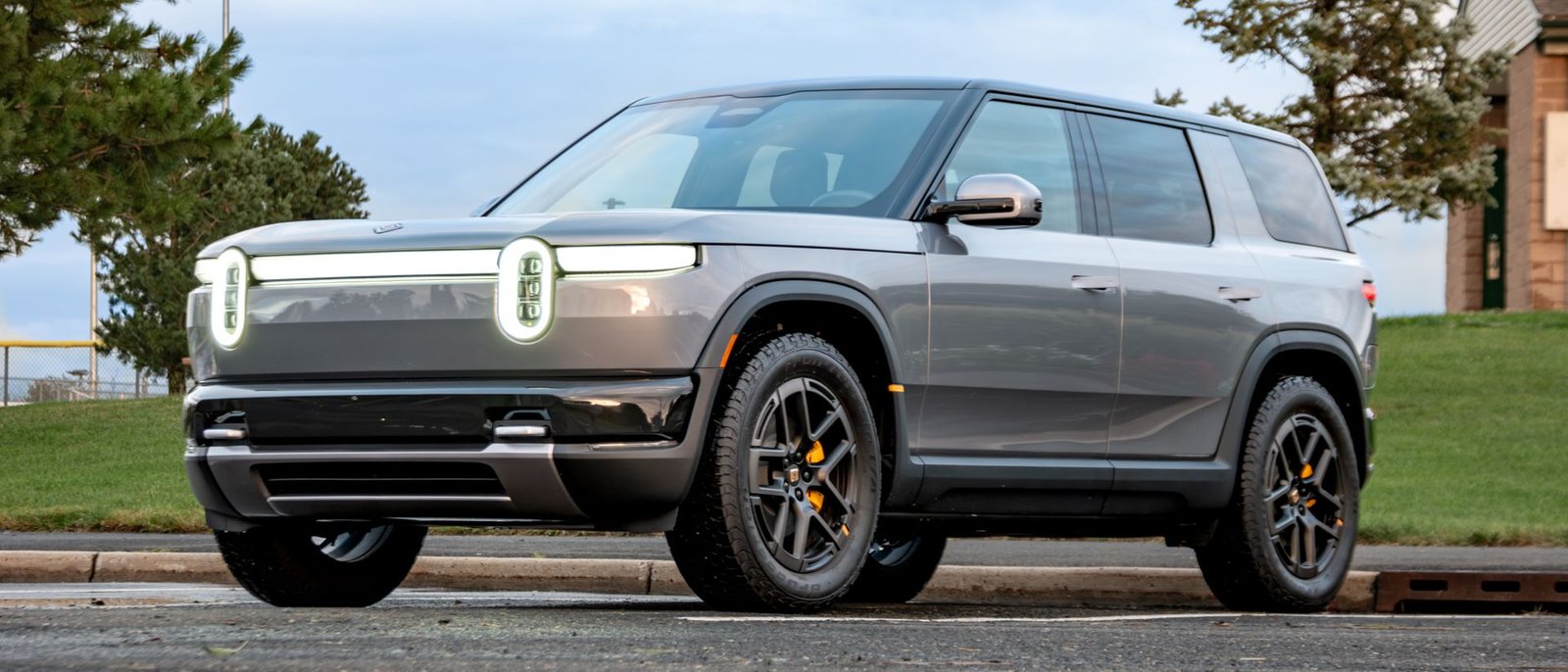
Rivian is the EV maker to watch. It’s no coincidence that I’m seeing far more of its vehicles on the road, instantly recognizable by their distinct stadium-style halo headlights. While I came away deeply impressed with both the R1T pickup and the three-row R1S SUV, they’re simply too expensive and out of reach for most budgets.
That’s why I’ve been so excited about the Rivian R2. It represents an ambitious push to reach the masses with a much lower price tag. By trimming down its footprint compared to the full-size R1S into a practical midsize frame — while keeping its starting price under $60,000 — Rivian finally has a vehicle with mass-market appeal, and I’m all for it.
After spending a full week behind the wheel of the 2027 Rivian R2 Performance, I can honestly say this eagerly awaited EV lives up to the hype and is one of the best electric cars out there. Here’s why.
Latest Videos FromTom’s Guide
2027 Rivian R2 review: Specifications
Image 1 of 49
Swipe to scroll horizontally
| Header Cell – Column 0 |
2027 Rivian R2 Performance (with Launch Edition package) |
|---|---|
|
Battery |
87.9 kWh |
|
Motor |
Dual Motor (AWD) |
|
0 to 60 mph |
3.6 seconds |
|
Range |
330 miles |
|
Horsepower |
656 hp |
|
Wheels |
22-inches |
|
MSRP |
$57,990 |
|
Price Tested |
$59,485 |
2027 Rivian R2 review: Testing summary
I drove a total of 236.8 miles during my week testing the 2027 Rivian R2 Performance, averaging an efficiency of 3.24 mi/kWh. That’s a massive leap over the dismal 1.85 mi/kWh I saw in the R1S, proving that the R2 makes the absolute most out of its 87.9 kWh battery pack. At the same time, it lands right in the efficiency sweet spot alongside premium rivals like the Audi Q6 e-tron and BMW iX xDrive45 — but with a far more attainable price tag.
During long-distance drives consisting mostly of highway cruising, the Rivian R2 proved surprisingly efficient, peaking at 3.68 mi/kWh. Meanwhile, short-distance trips topped out at 3.59 mi/kWh. What makes these figures so impressive is that efficiency doesn’t come at the expense of performance because the R2 still delivers all the instant punch I crave without feeling choked back to hit efficiency constraints.
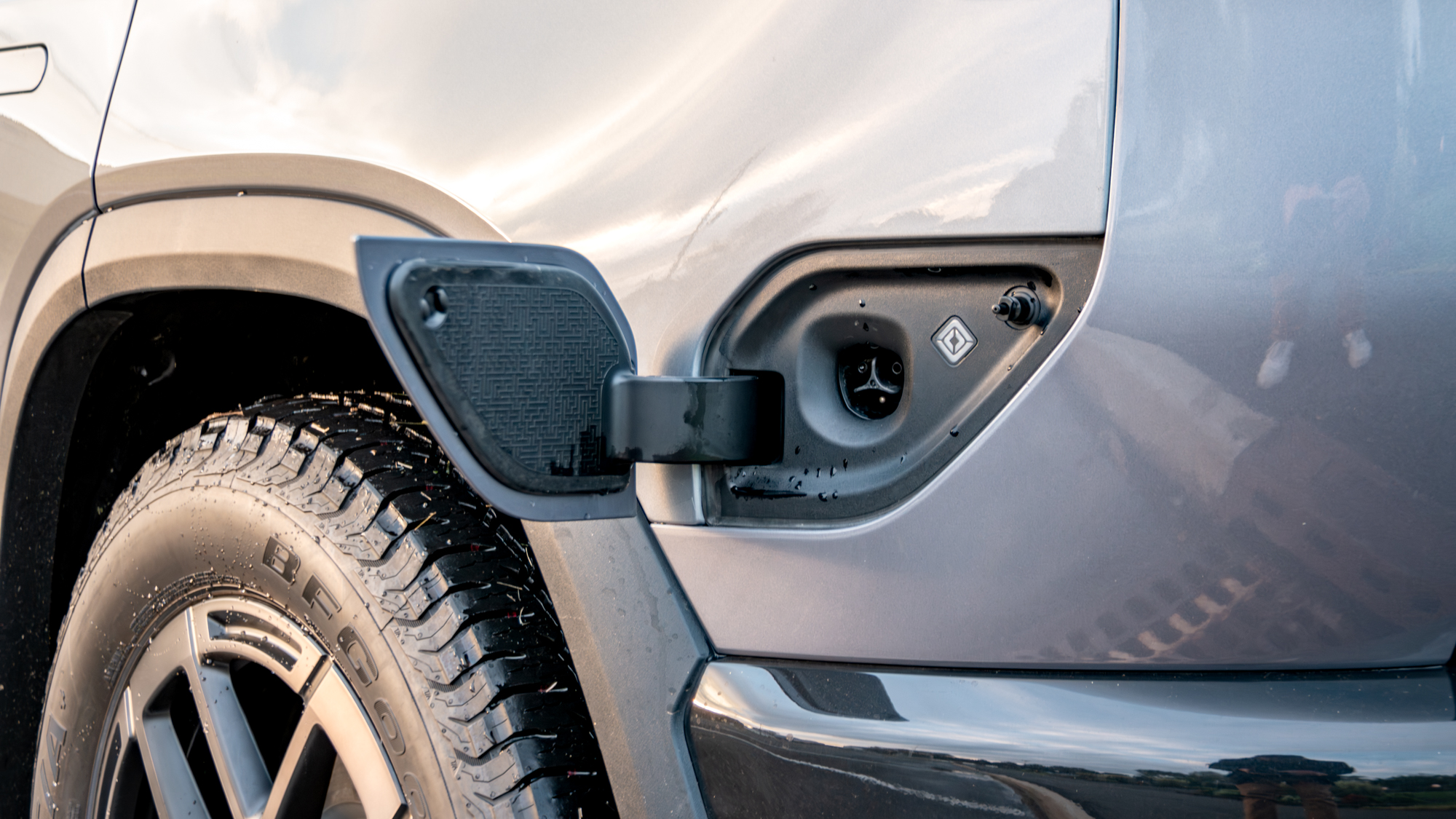
Home charging is another welcome step up from the R1T and R1S. Plugged into a standard 120V household outlet for Level 1 charging, it added back 29 miles of range in roughly 8.6 hours — a replenishment rate of about 3.37 mi/hr. It’s also worth noting that the R2 natively uses Tesla’s NACS charging port for hassle-free access to the Supercharger network, though an included adapter still allows for seamless charging at CCS stations.
Swipe to scroll horizontally
| Header Cell – Column 0 |
2027 Rivian R2 Performance |
2027 Audi Q6 e-tron Premium quattro |
2026 BMW ix xDrive45 |
|---|---|---|---|
|
Price tested |
$59,485 |
$77,290 |
88,000 |
|
Total miles driven |
236.8 miles |
116.8 miles |
339.9 miles |
|
Average Efficiency |
3.24 mi/kWh |
3.2 mi/kWh |
3.3 mi/kWh |
|
Best long distance driving efficiency |
3.68 mi/kWh |
3.5 mi/kW |
3.8 mi/kWh |
|
Best short distance driving efficiency |
3.59 mi/kWh |
3.7 mi/kW |
3 mi/kWh |
|
Level 1 charging rate |
3.37 mi/hr |
3.48 mi/hr |
3.82 mi/hr |
2027 Rivian R2 review: What I like
Excellent size, great utility
Image 1 of 12
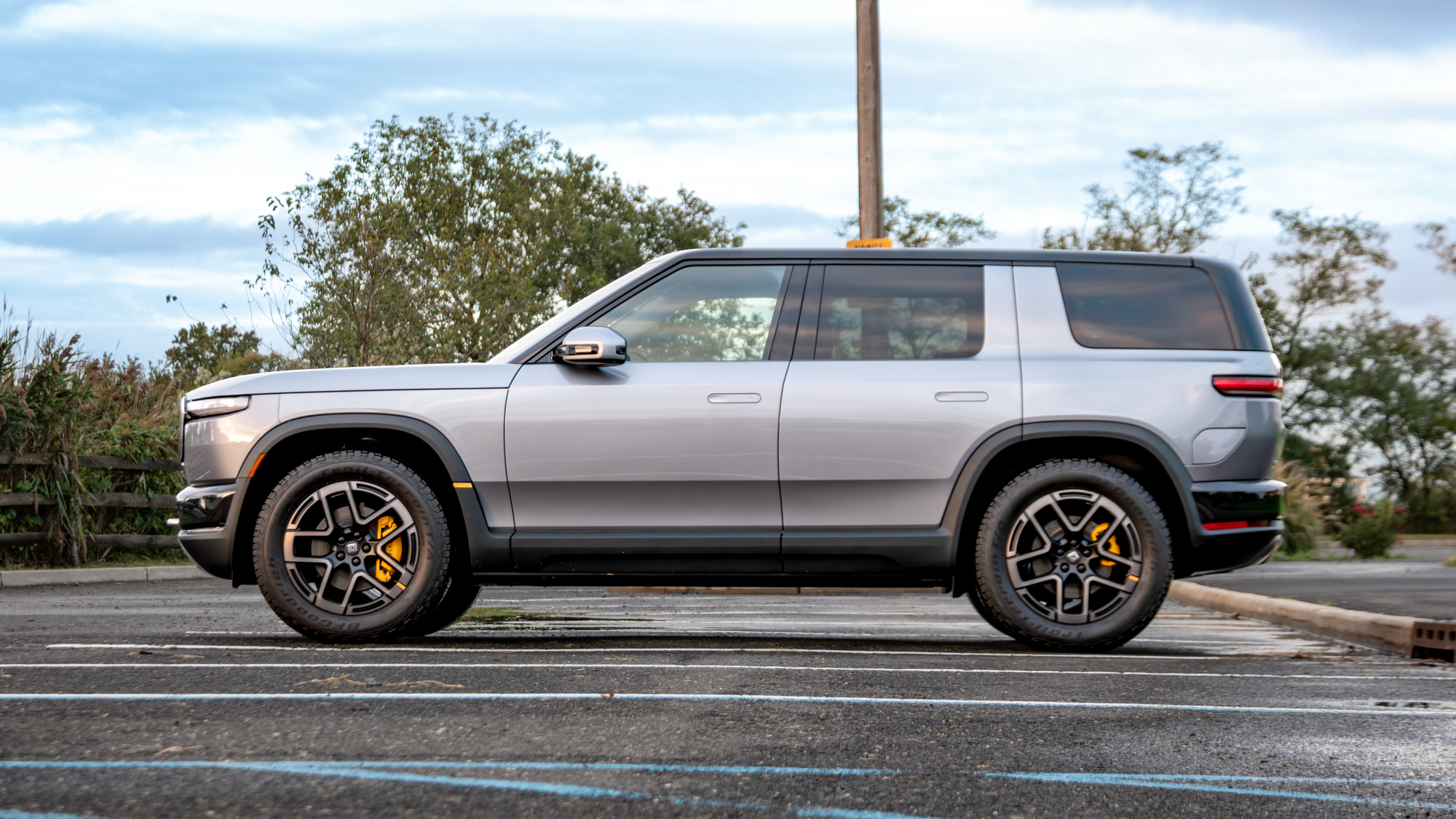
As much as I adore the distinct look of the R1S, driving it can feel like navigating a massive yacht through narrow canals. That’s why the Rivian R2 hits the mid-size sweet spot without sacrificing everyday practicality, proving far more maneuverable through busy city streets and tight parking garages. On the inside, it remains remarkably spacious, with generous legroom and headroom for all passengers.
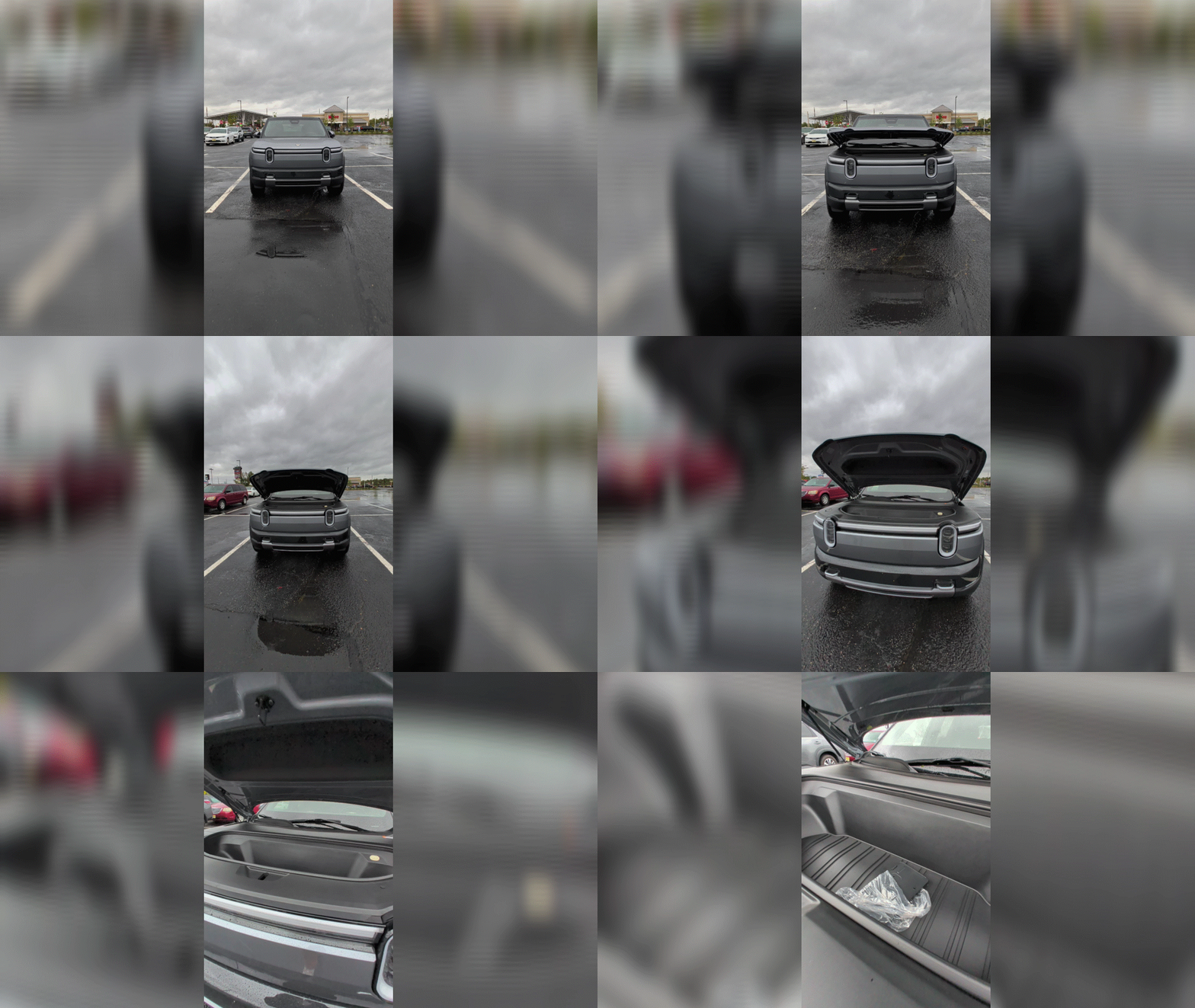
Cargo flexibility is where the R2 truly outclasses its competition. It offers a deep frunk that consistently turns heads whenever I pop it open for groceries instead of using the rear hatch. Out back, you get 28.7 cubic feet of trunk space, which is deep and upright enough to swallow my JackRabbit OG2 micro e-bike upright without needing to fold it flat to fit.
Finally, all of this practical utility doesn’t change the fact that its design is instantly recognizable. Just like its larger sibling, the R2 proudly carries the rugged aesthetic that makes Rivian’s lineup so distinct — bolstered by its full-width LED light bars and signature halo headlights.
Outstanding Autonomy+ performance
Image 1 of 4
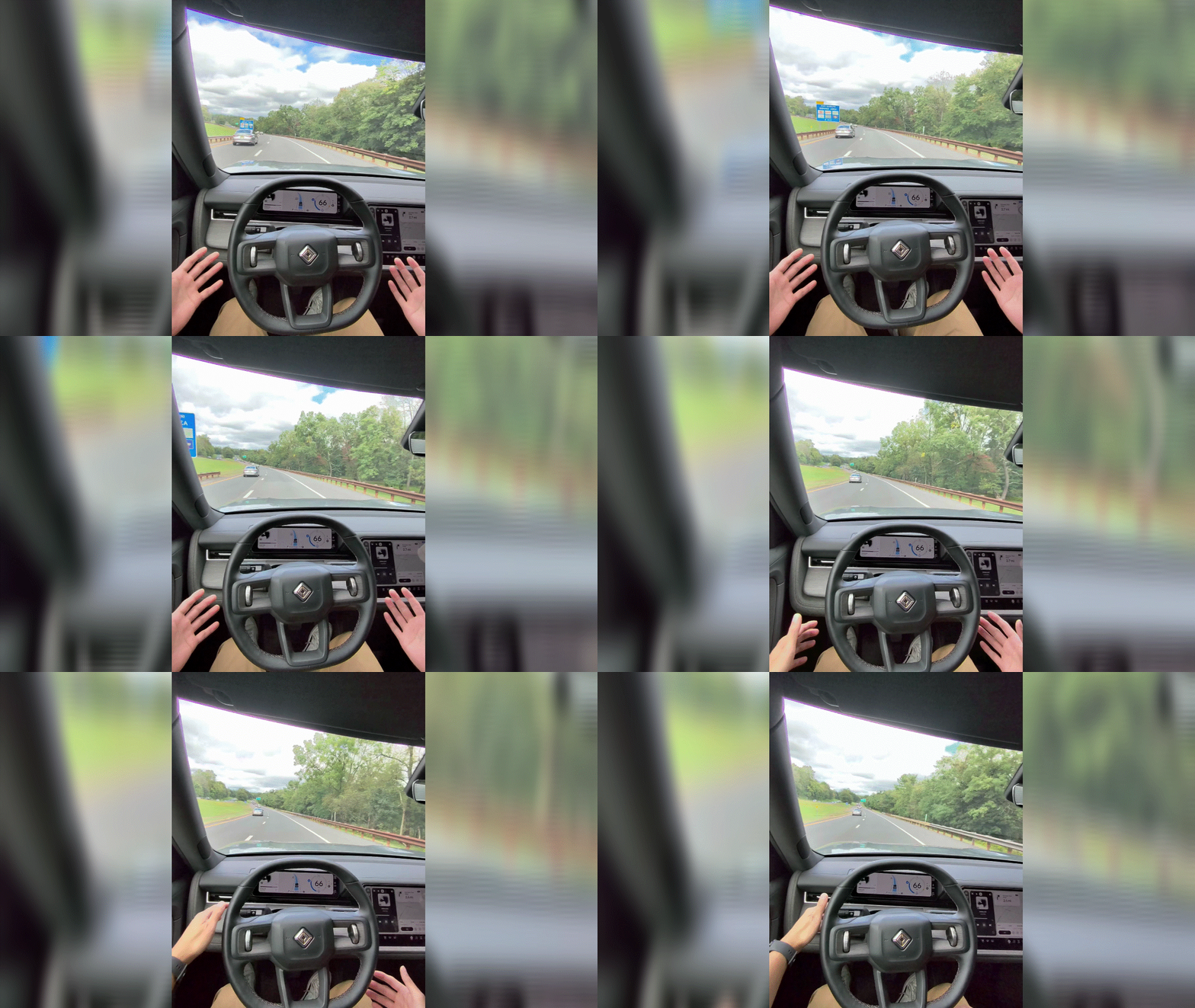
If there’s one feature I can’t live without, it’s adaptive cruise control — and the 2027 Rivian R2 Performance proves it has one of the best systems out there.
If there’s one feature I can’t live without, it’s adaptive cruise control — and the 2027 Rivian R2 Performance proves it has one of the best systems out there.
Rivian’s upgraded Autonomy+ driver assistance package relies on a suite of high-resolution exterior cameras and radar sensors to keep the SUV locked into highway lanes, responding with smooth braking and acceleration as adjacent traffic merges in and out.
Beyond standard cruising, Autonomy+ truly shines in daily driving with how effortlessly it executes automatic lane changes. A simple tap of the turn signal starts the process and once the system confirms my blind spots are clear, it smoothly glides into the next lane and even turns off the blinker for me. And because the cameras feature high dynamic range (HDR), the digital feeds don’t suffer from the noisy, grainy artifacts that plague other vehicles at night.
Just know that Rivian includes Autonomy+ for free as part of the Launch Package for a limited time. If you miss out or configure one of the other standard trims, unlocking the full Autonomy+ suite will require a one-time $2,500 software upgrade fee. Given how polished it is in my experience, that $2,500 buy-in is well worth the investment.
Intelligent Dynamic Matrix LED headlights
Image 1 of 5
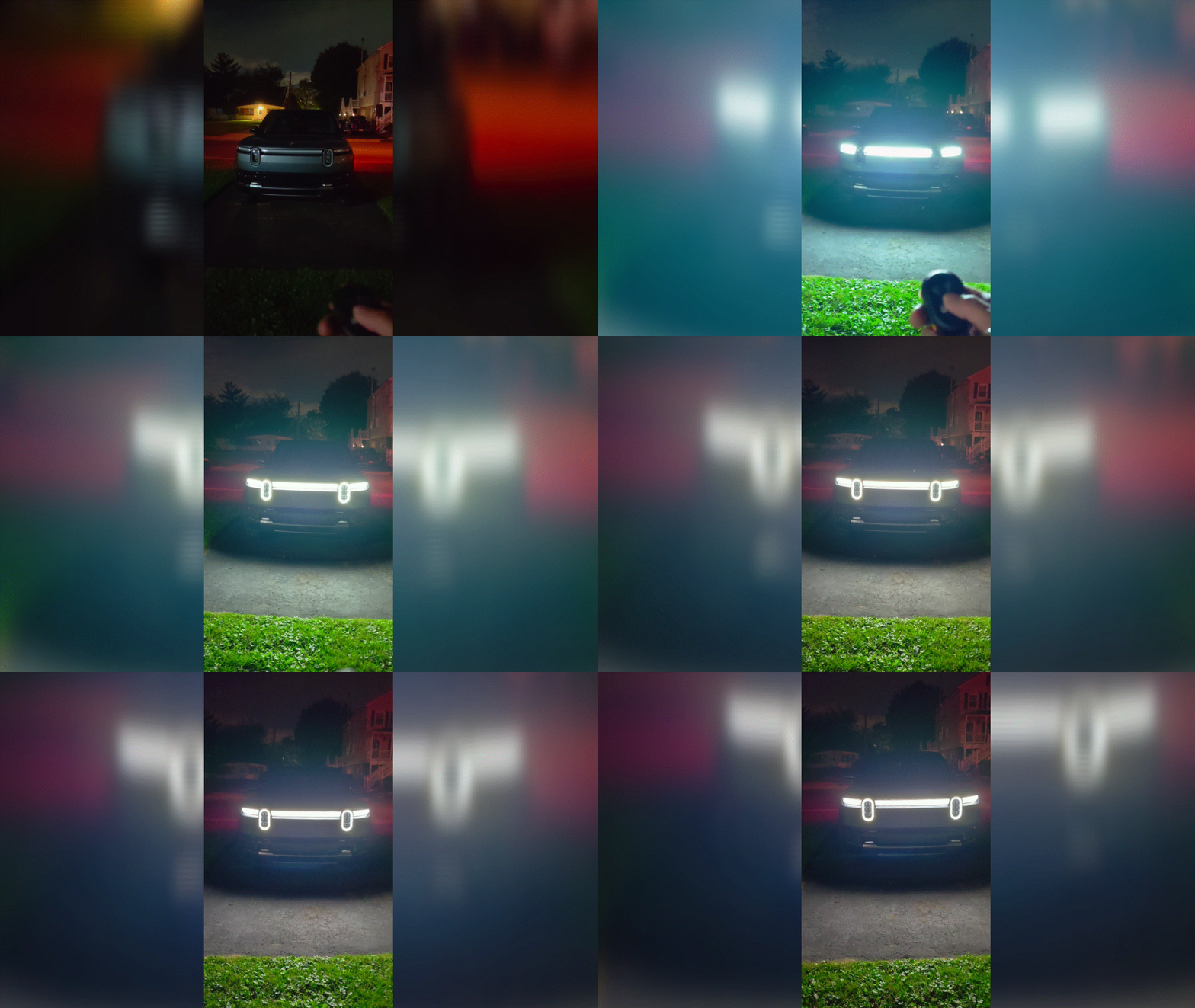
Driving at night in the Rivian R2 is an absolute breeze, thanks to its full Matrix LED headlights equipped with Dynamic Adventure Lighting and active Adaptive High Beams. Rather than relying on a standard on/off high-beam switch, this intelligent system dynamically sculpts and shapes its beam pattern in real time.
During nighttime drives, the system actively carves out dark boxes around oncoming cars and lead vehicles while keeping the surrounding roadside flooded with light. Watching the light beams dynamically shift and mask targets as traffic approaches is genuinely impressive, keeping both me and oncoming drivers safe without causing glare. Given the R2’s sub-$60K price tag, this level of advanced lighting isn’t something I expected to find — and it adds tremendous value.
Keep in mind that this tech is exclusive to the Performance and Premium trims, leaving the entry-level Standard model without an upgrade path.
Powerful audio system
I love a good sound system, and despite not boasting a brand name most people recognize, Rivian doesn’t skimp on the acoustics. The R2 is outfitted with Rivian’s Elevation Audio system, which delivers just the right amount of surround sound to make me feel like I’m sitting in the middle of a live concert — complete with deep bass that adds a firm thump to the low end. What truly elevates the listening experience is the integration of Dolby Atmos spatial audio.
Even at highway speeds, I’m never distracted by the windy noise outside because of its whisper-quiet cabin, allowing the acoustics to shine without needing excessive volume. Small details, like the animated equalizer visualizer dancing on the main display, complete the serene in-cabin experience.
Open air feel with power-lowering rear glass
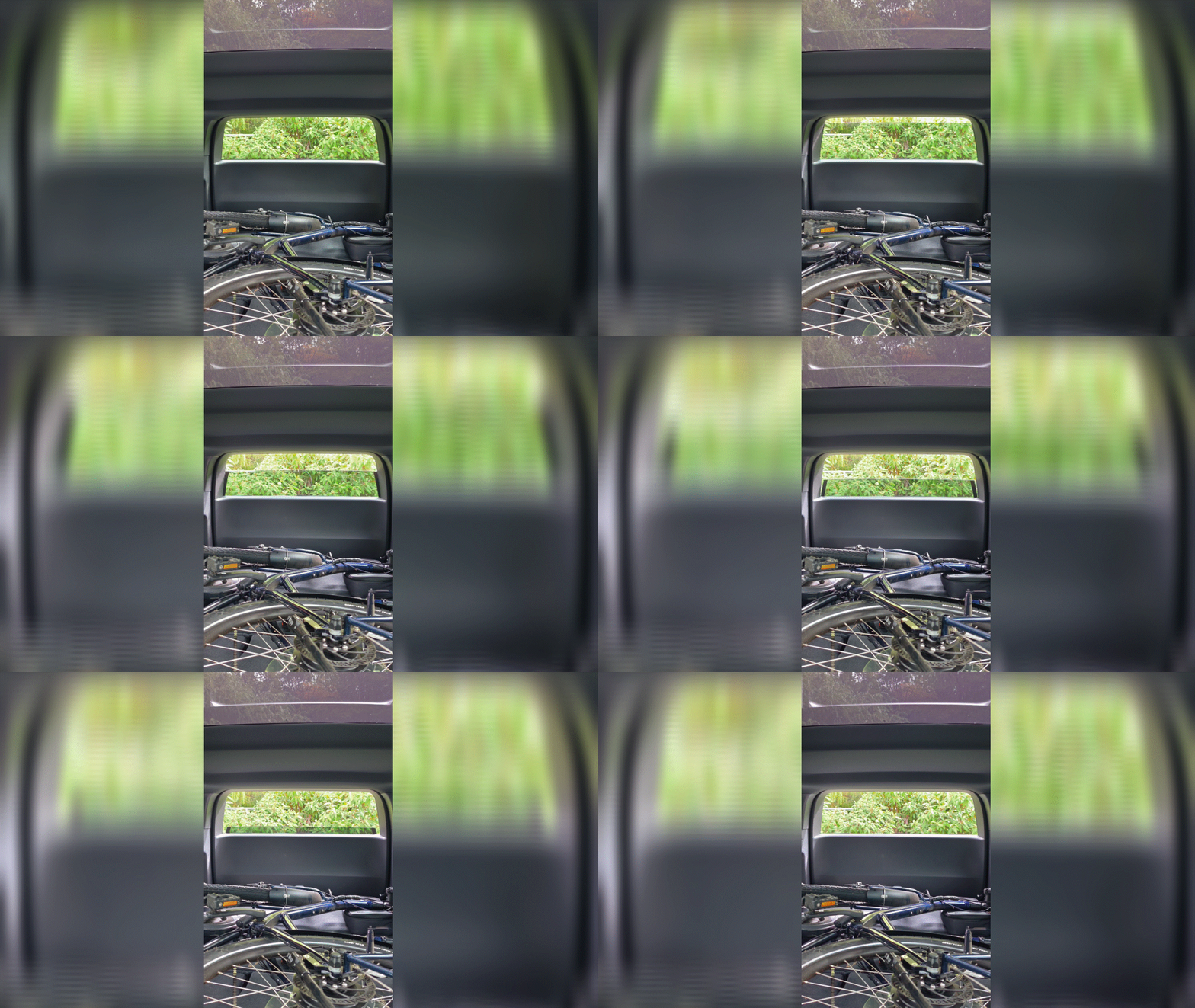
Although the power-opening frunk is arguably the Rivian R2’s coolest party trick, the power-lowering rear glass is a very close second. Rather than a fixed rear windshield or a split liftgate, you can lower the rear tailgate glass completely with the press of a button. It really helps flush out stagnant air on warmer days, and I love how it delivers a genuine open-air driving experience when all the windows are rolled down.
Intuitive software and integrated dash cam
Image 1 of 3
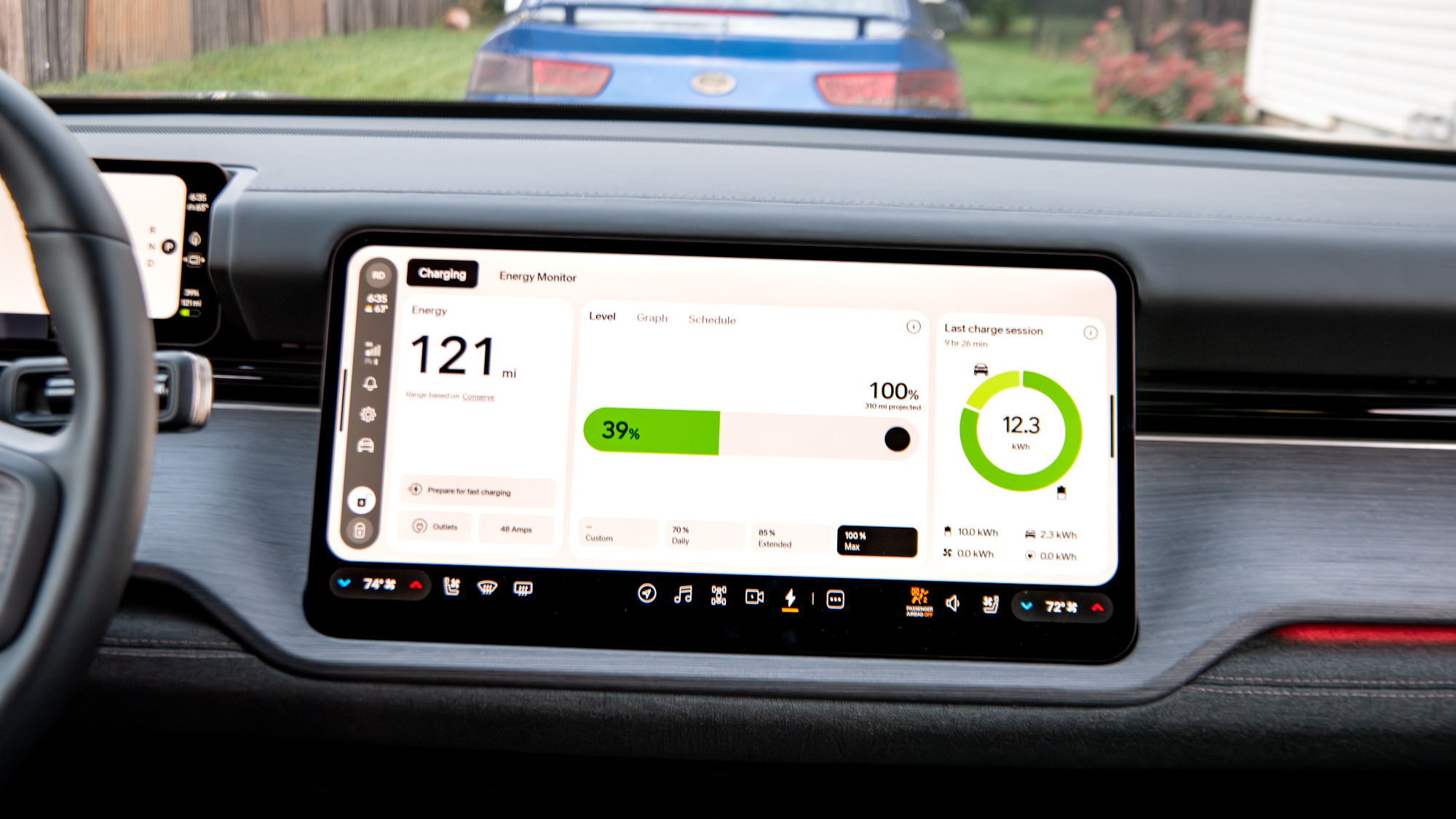
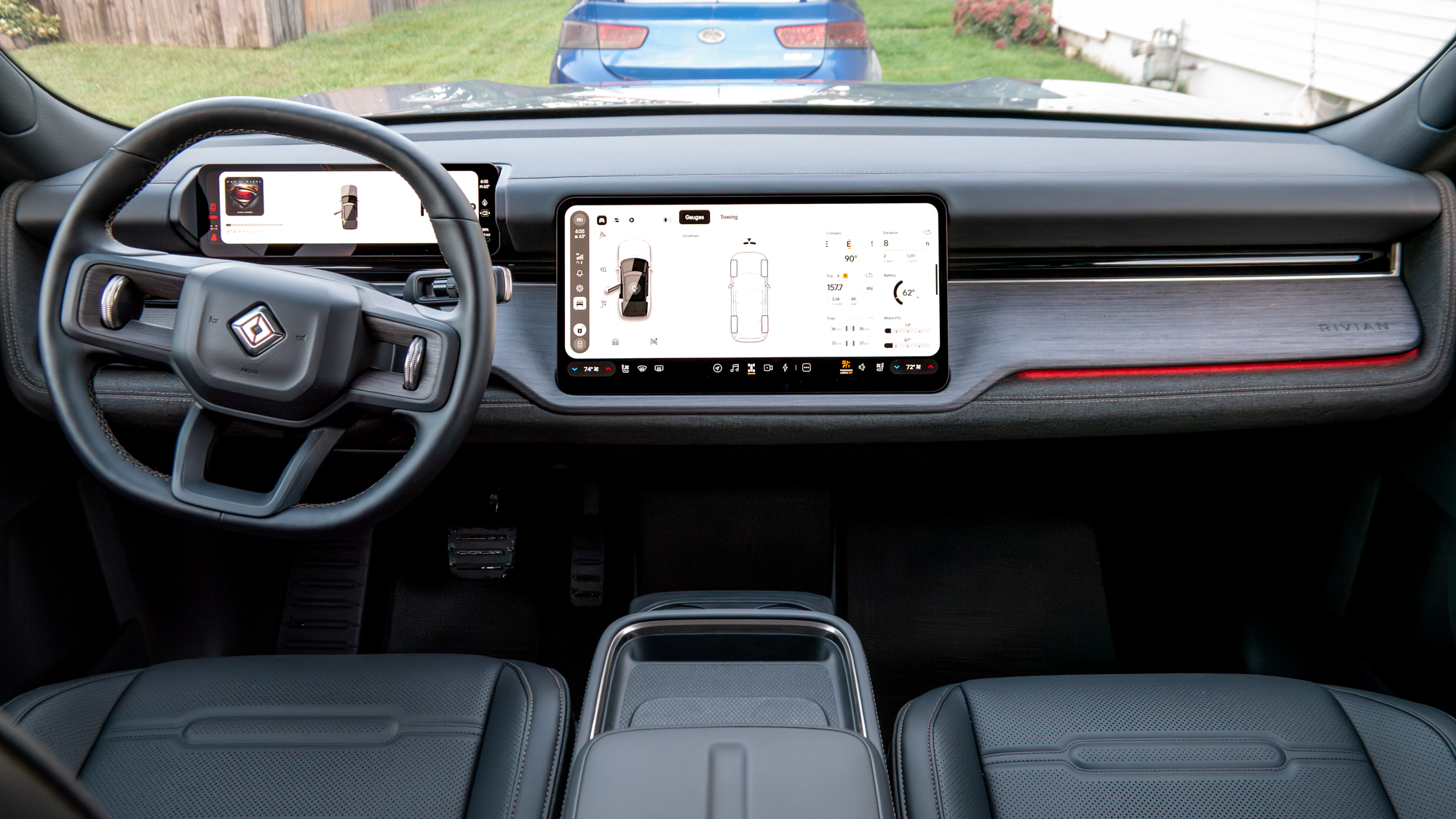
When I think about what modern software should look like in an EV, the Rivian R2 exemplifies everything I want. Rivian’s custom software interface remains one of the cleanest and most responsive infotainment systems out there, easily rivaling what I’ve experienced from Tesla, Polestar, and Volvo. From the logical menu layout across the massive central display to the fluid animations, everything feels exceptionally polished.
That thoughtful software design extends to practical utility with Drive Cam, Rivian’s integrated dash cam. To get it running, all you have to do is plug a storage drive into the USB-C port inside the center console. Because it taps directly into the vehicle’s built-in exterior cameras, you get continuous incident recording while keeping your windshield and dashboard completely free of messy aftermarket mounts and dangling wires.
Unique Haptic Halo Wheels controls
Image 1 of 3
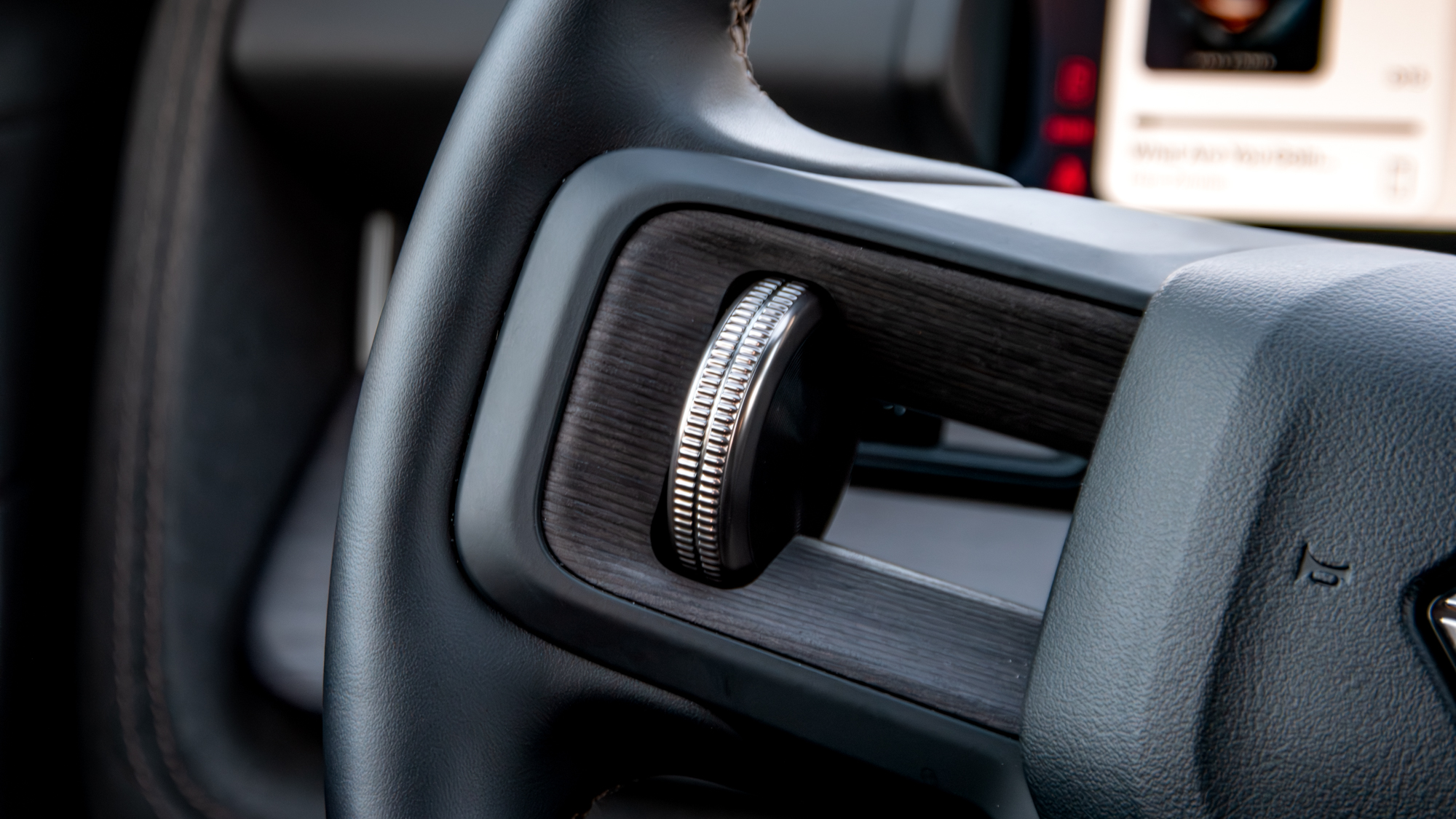
Although sitting behind the wheel felt immediately familiar, one major difference from the R1T and R1S is how the R2 uses a pair of steering wheel controls called the Haptic Halo Wheels. Unlike traditional direction pads, these scroll wheels control a myriad of vehicle functions — making me far less reliant on the main touchscreen display.
For example, they can be used to adjust the volume, toggle audio tracks, or fine-tune the side mirrors and steering column. Integrated haptic pulses provide the physical feedback of a mechanical button, but I wish there were a way to dial back their sensitivity because I occasionally lowered the volume by accident just by brushing my palm against them during turns.
2027 Rivian R2 review: What I don’t like
No privacy with panoramic glass roof
Image 1 of 2
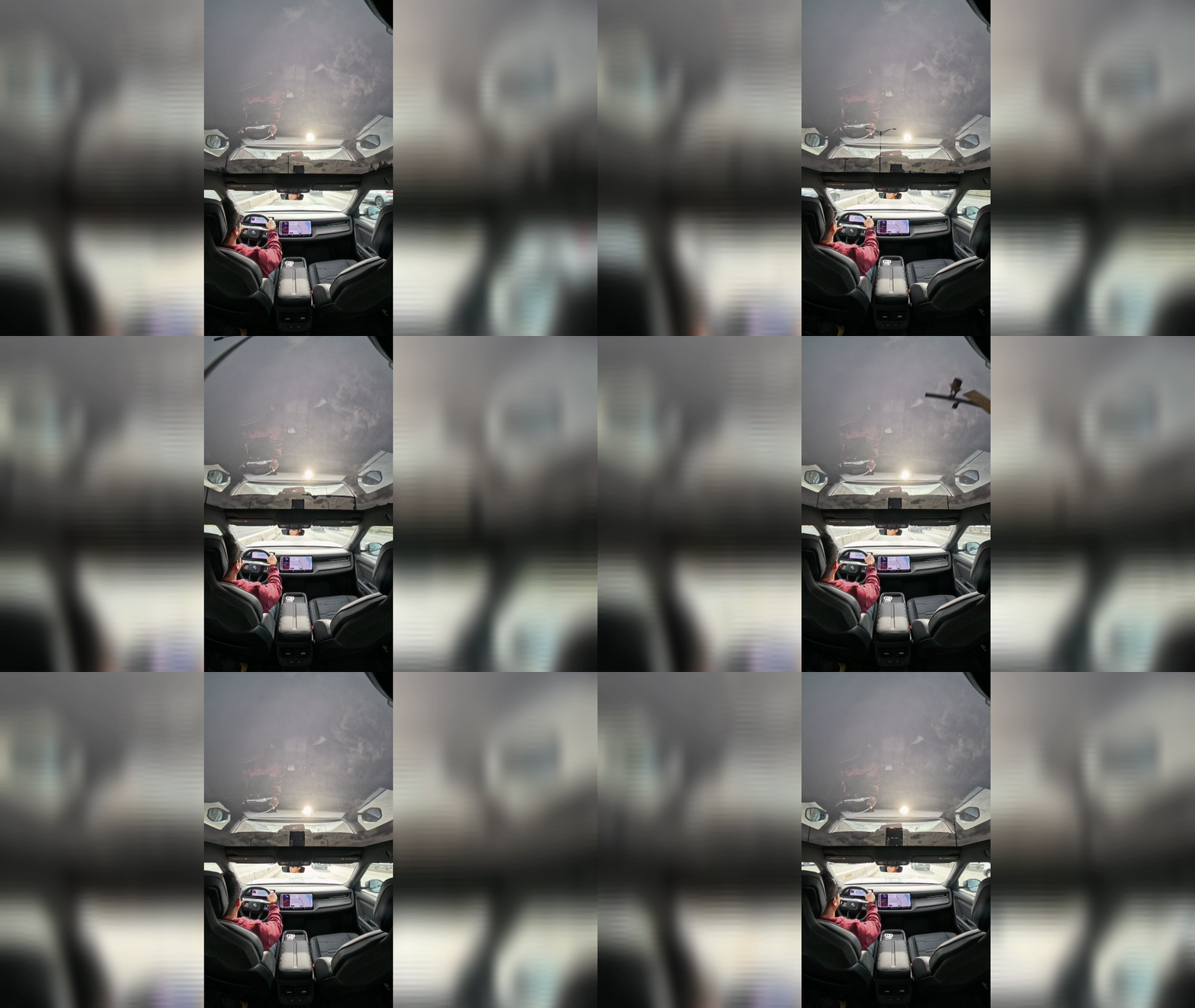
Don’t get me wrong, I love the expansive panoramic glass roof on the Rivian R2. It floods the cabin with natural light and offers an unobstructed view of the sky, backed by a protective UV layer that keeps you from getting roasted when the sun is beating down. However, the lack of an interior shade creates an obvious privacy issue.
Unlike the electrochromic glass roof on some rival EVs that switches from transparent to opaque at the touch of a button, this panel remains permanently see-through. Leaving gear inside makes items far more visible to potential thieves, and if you plan on car camping or resting while charging, you simply don’t get much cabin privacy.
Awkward cruise control access
Image 1 of 1
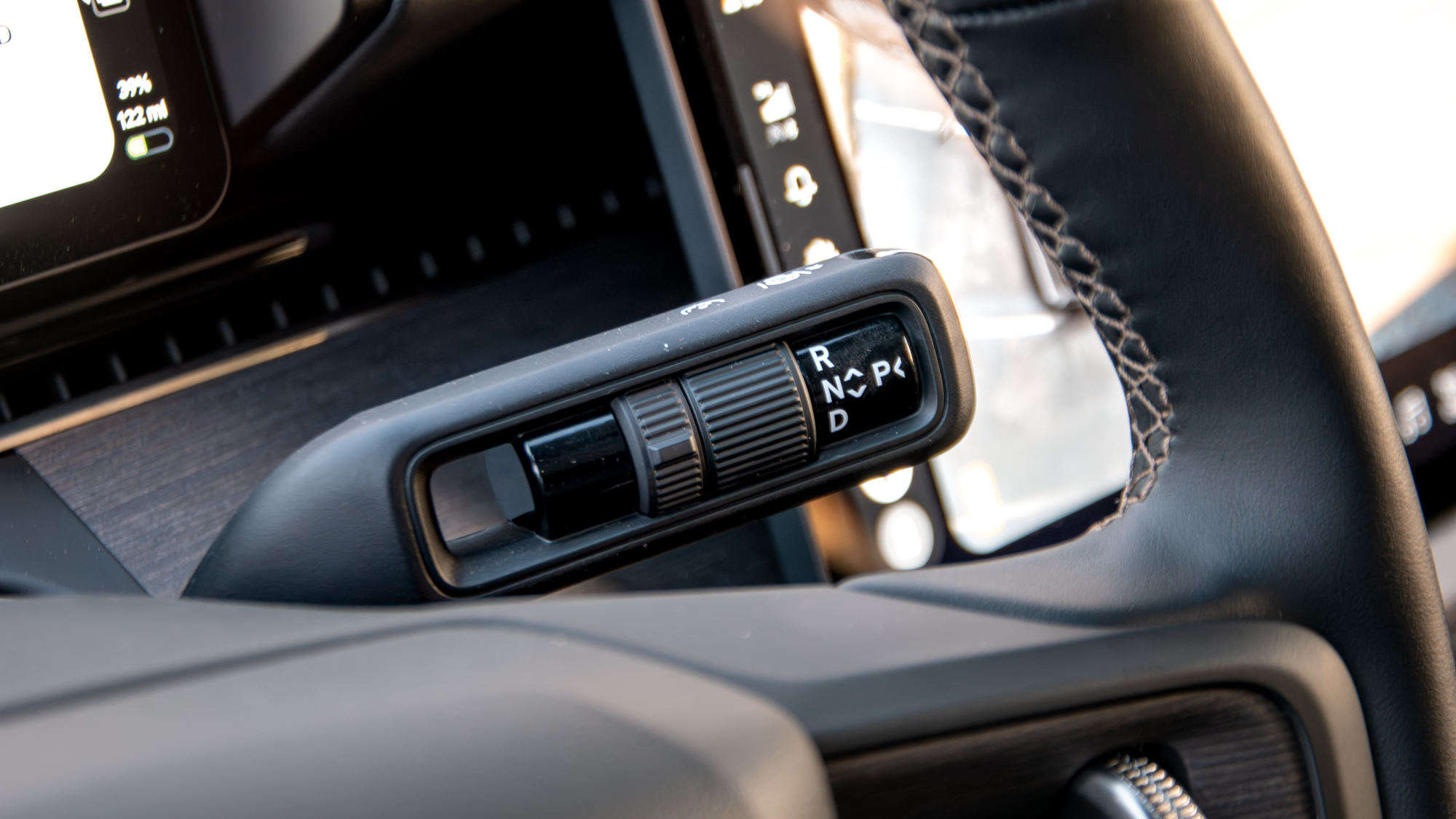
I’ve pointed this out in my R1S and R1T reviews, but the R2 unfortunately continues to package its adaptive cruise control functions directly into the vehicle’s drive selector. Positioned to the right of the steering wheel, this dual-purpose stalk can easily cause confusion.
Personally, I strongly prefer keeping cruise control inputs completely separate from the gear selector. Combining them into a single mechanical lever adds extra complexity. While engaging Autonomy+ requires double-pressing the stalk downward, adjusting your cruising speed is handled by the steering wheel’s scroll wheel. Even after days behind the wheel, there were a couple of instances where I hesitated on the lever or toggled the wrong input when trying to activate the system in traffic.
2027 Rivian R2 review: Bottom line
Image 1 of 10
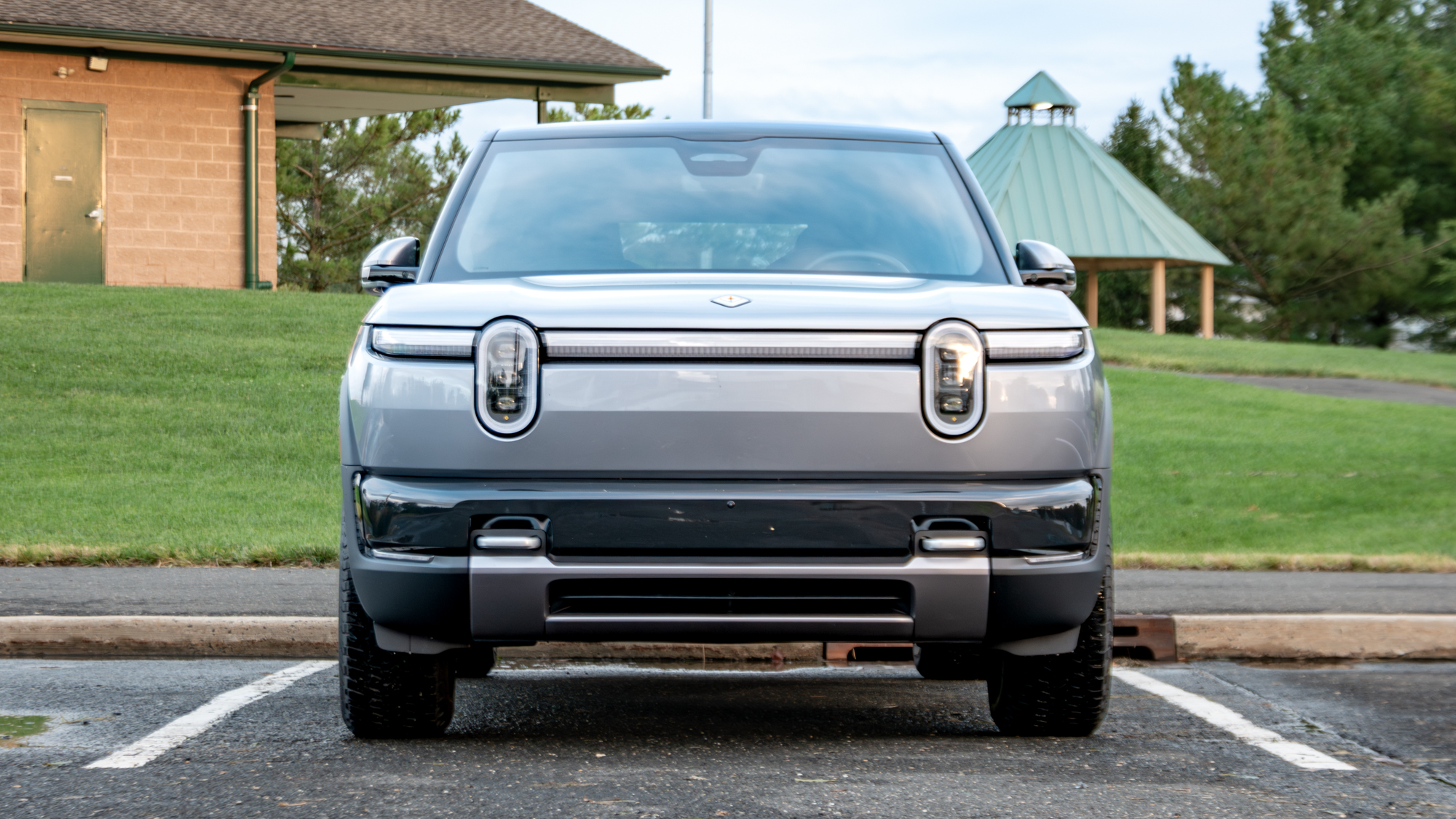
The 2027 Rivian R2 Performance takes nearly everything I love about the flagship R1S and condenses it into a smaller footprint without compromising on performance — and more importantly, at a far more attractive price point. It delivers the practical utility I look for in an adventure crossover, making it an ideal fit for couples, small-to-medium families, and empty nesters seeking everyday versatility and safety.
Beyond its smart packaging, solid efficiency, and intuitive software, there’s a strong incentive to jump on the Performance trim early while the Launch Package bundles Autonomy+ for free, making long-distance highway hauls virtually effortless.
Looking ahead, spending time with this build makes me even more excited for the base Standard trim arriving next year at an approachable $45,000 starting price. While it naturally scales back on premium features and dual-motor muscle, it could strike just the right balance to become the mainstream EV benchmark.

Follow Tom’s Guide on Google News and add us as a preferred source to get our up-to-date news, analysis, and reviews in your feeds.
More from Tom’s Guide

Senior Channel Editor for Phones
John’s a senior editor covering phones for Tom’s Guide. He’s no stranger in this area having covered mobile phones and gadgets since 2008 when he started his career. On top of his editor duties, he’s a seasoned videographer being in front and behind the camera producing YouTube videos. Previously, he held editor roles with PhoneArena, Android Authority, Digital Trends, and SPY. Outside of tech, he enjoys producing mini documentaries and fun social clips for small businesses, enjoying the beach life at the Jersey Shore, and recently becoming a first time homeowner.
Next Badge:
More Comments/Likes Until Your Next Badge
” data-join-the-conversation-text=”Join the Conversation”>
You must confirm your public display name before commenting
Please logout and then login again, you will then be prompted to enter your display name.