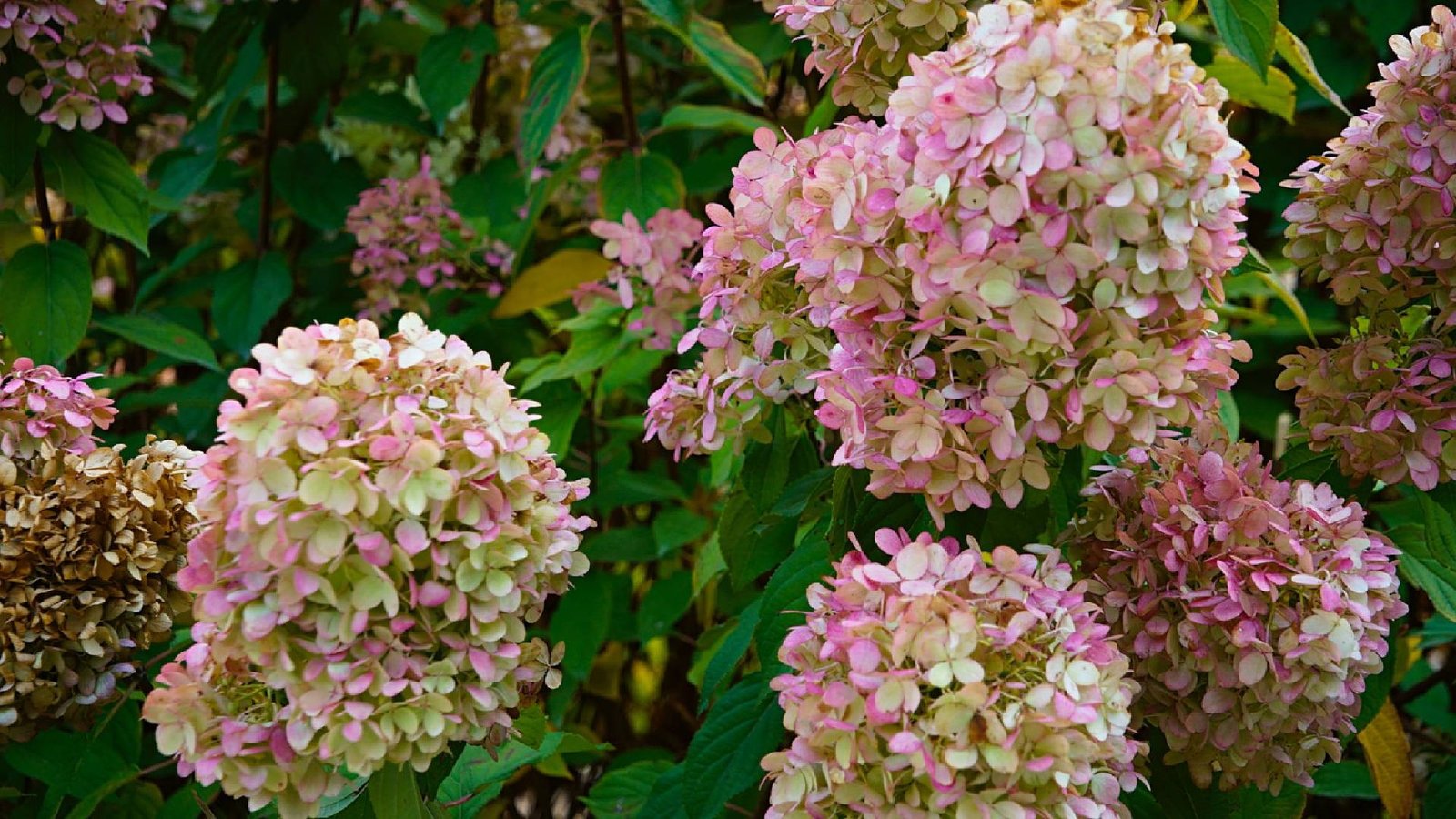
Few shrubs bring as much joy to the garden as hydrangeas. With their blousy, oversized blooms and lush foliage, they provide incredible color from early summer straight through to the crisp days of fall.
But as those vibrant flowerheads dry into muted papery tones, it is natural to want to give your bushes a tidy haircut before winter sets in. Before you reach for your pruning shears, however, step back.
Cutting back hydrangeas in October is one of the most common fall gardening mistakes. Before you touch those shears, here is why leaving your hydrangeas alone this month guarantees better blooms next spring.
Why you should never prune hydrangeas in October
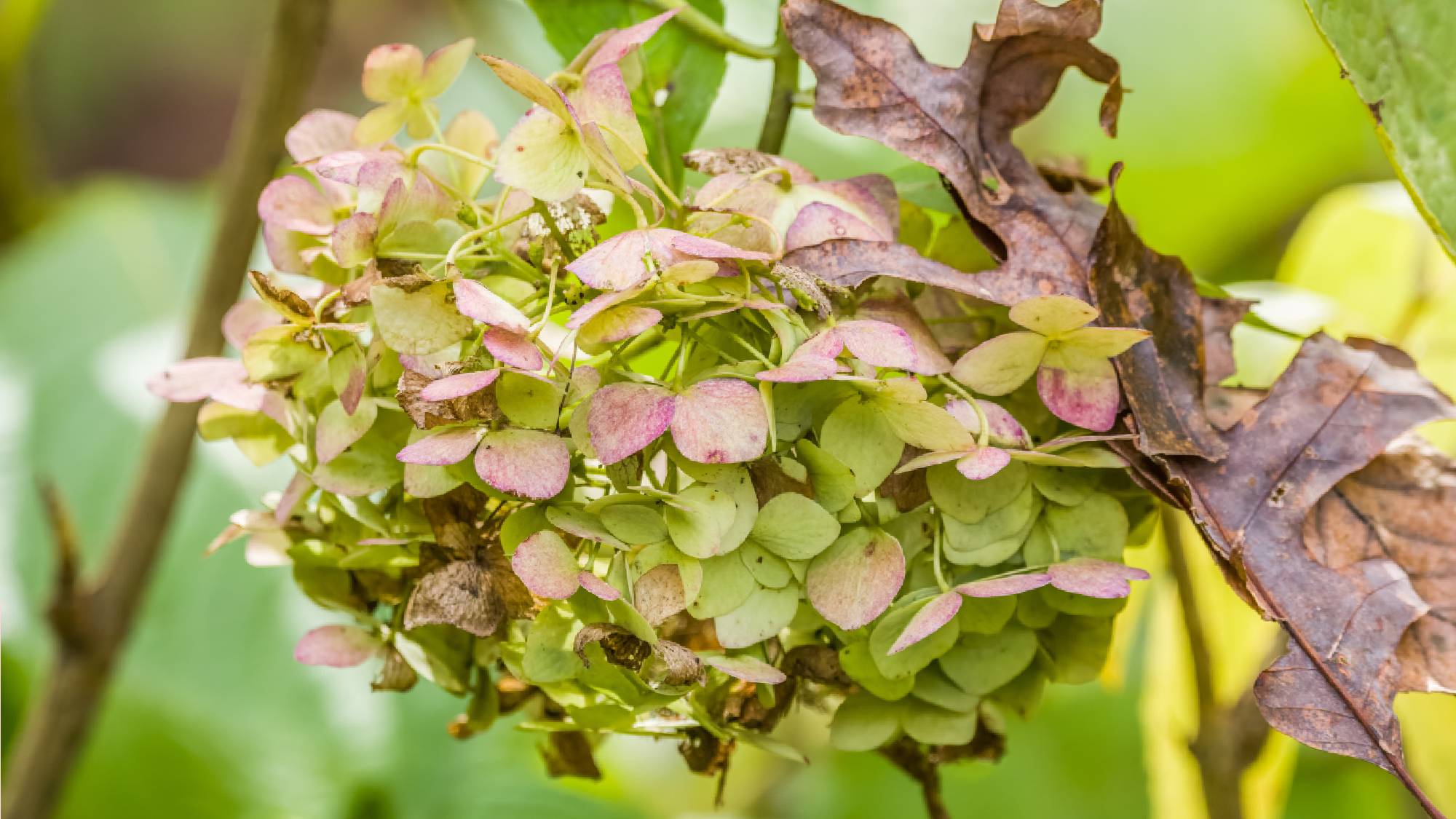
Faded hydrangea blooms might look unsightly, but those dry, papery flowerheads act as a built-in umbrella. They shelter vulnerable young stems and developing buds from harsh frosts, biting winds, and even snow.
Trimming stems in October can also trigger a burst of tender new growth right when the plant should be entering winter dormancy. When the first hard freeze hits, those soft shoots will freeze and die, leaving the shrub weak and susceptible to disease.
Even worse, popular varieties like mophead, lacecap, and oakleaf hydrangeas set their buds on “old wood” during late summer. Cutting those stems back now removes next year’s flower buds entirely, guaranteeing a barren bush come summer.
How to treat different hydrangea types in fall
Knowing which variety you grow is key to avoiding accidental damage, as pruning rules depend entirely on how the plant flowers.
Types that bloom on old wood (Mophead, Lacecap, and Oakleaf)
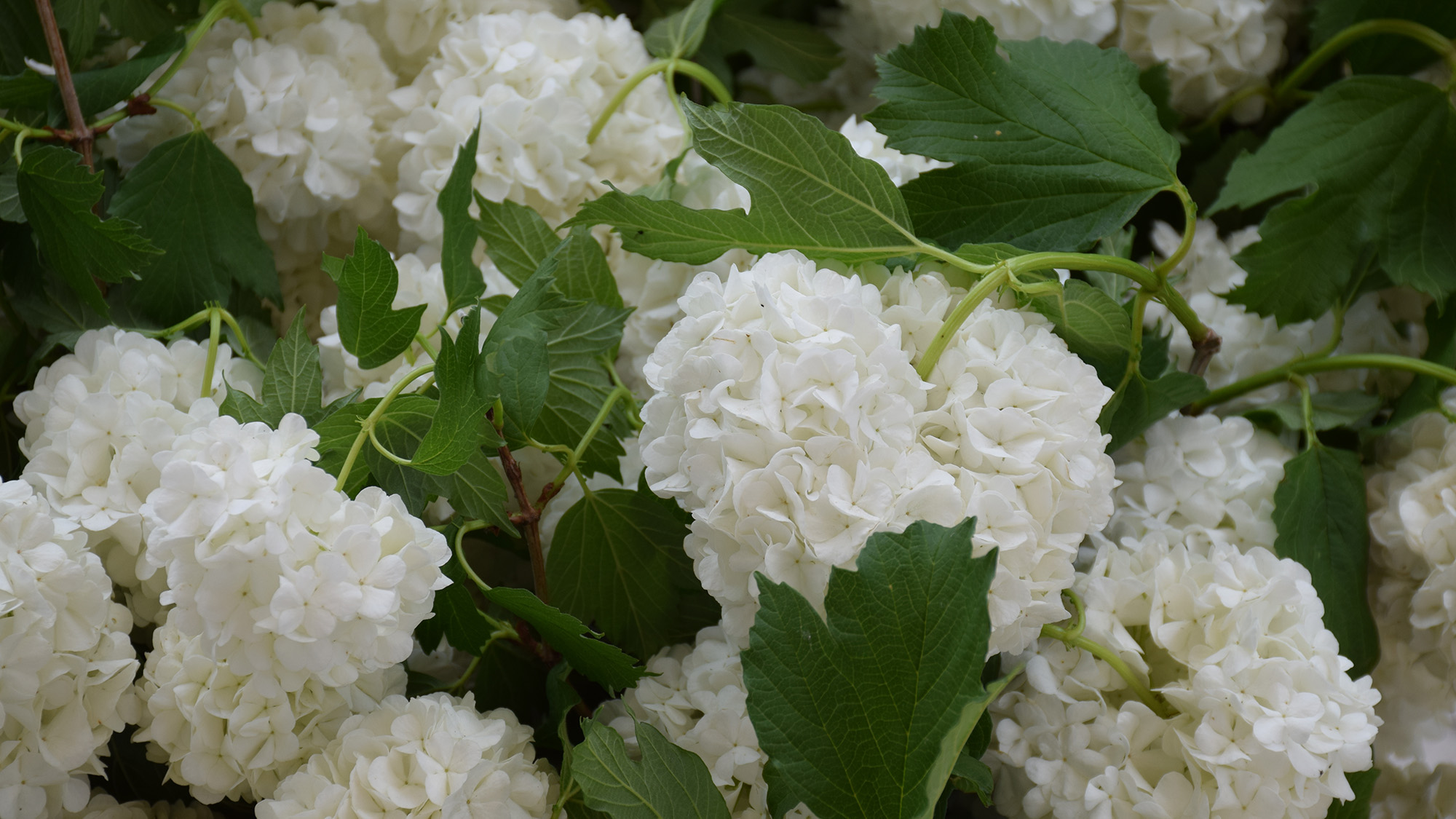
These varieties form next year’s buds on old wood (growth from the current summer). Leave their faded flowerheads intact all through fall and winter. This prevents you from accidentally cutting off next year’s buds and protects the stems from winter dieback.
Avoid any structural trimming now; if these varieties need shaping, it should be done immediately after they finish blooming in summer, followed by a light cleanup of dead wood in early spring.
If you grow a re-blooming variety (like Endless Summers) that flower on both old and new wood, follow these old wood rules to ensure you get the earliest possible blooms next spring.
Types that bloom on new wood (Panicle and Smooth)
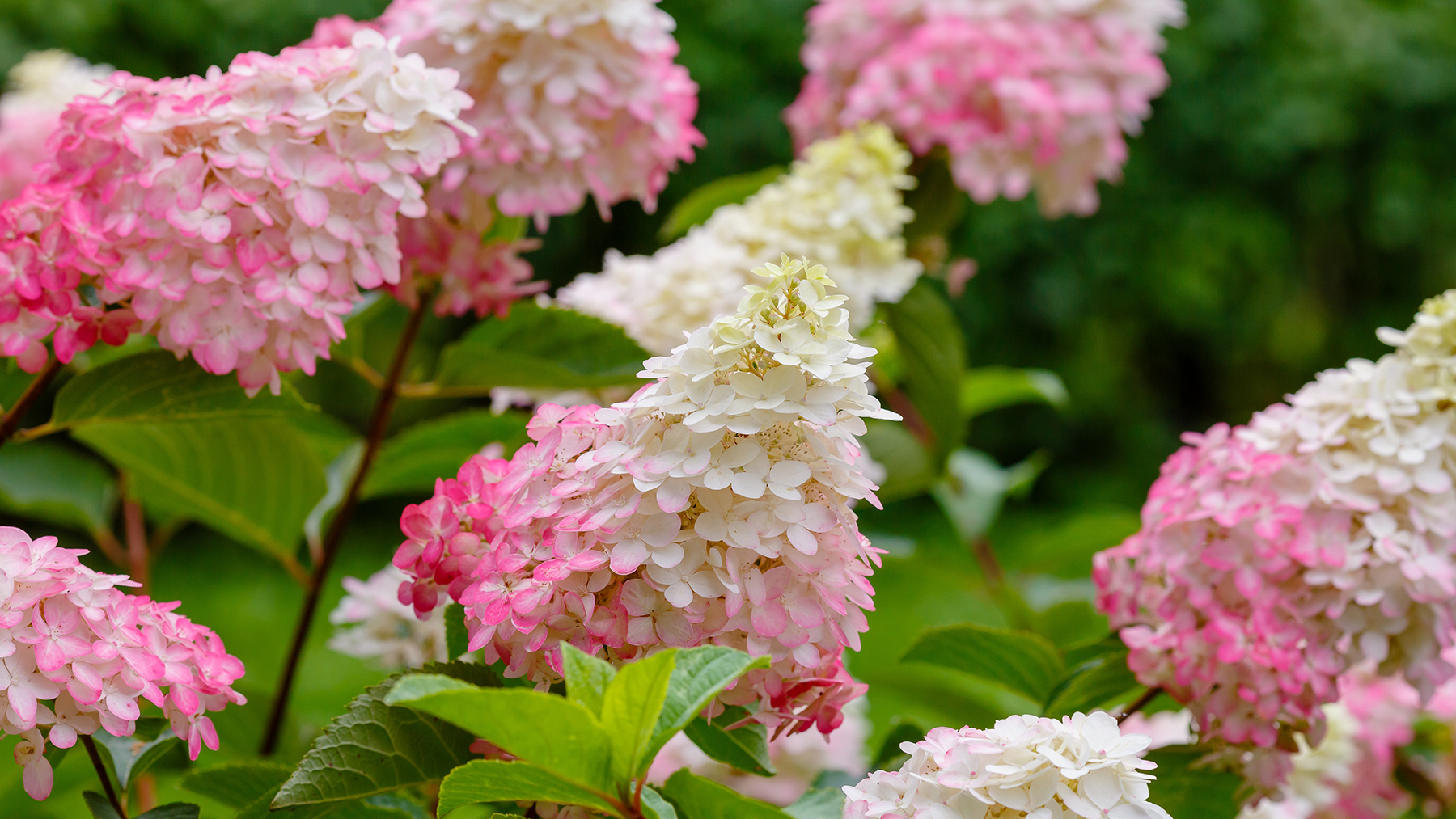
Popular varieties like Limelight and Annabelle flower on new wood produced during the current season. While they are far more forgiving if trimmed, hold off on major structural cuts until late winter or early spring before fresh growth begins. Leaving their large, dried flower heads intact through late fall adds great structural interest to a winter garden.
If you live in an area prone to heavy, wet winter snow, snip just the heavy flower heads off in late fall so the weight doesn’t snap the branches.
Don’t forget the roots
While dried flower heads look beautiful in the winter frost, they won’t protect your plant’s root system. To shelter the roots below from harsh winter freezes, apply a thick layer of organic mulch around the base of the plant this fall.
Simple fall care steps that set up next spring’s blooms

Instead of reaching for the shears, focus your October routine on protecting the root system before the ground freezes solid. Start by skipping fertilizer altogether. Late-season nitrogen forces soft growth that cannot survive winter cold. Ease off on watering as temperatures drop too, keeping the soil lightly moist without letting it become waterlogged.
Next, safeguard the root zone with a two- to three-inch blanket of organic mulch, such as shredded bark, leaf mold, or compost. This insulates roots against freeze-thaw cycles and locks in moisture against dry winter winds — just keep the mulch an inch away from the main stems to prevent rot.
And if you grow hydrangeas in pots, move them into an unheated garage, shed, or sheltered patio corner before the first hard freeze, watering sparingly once a month to keep the roots from drying out completely.

Follow Tom’s Guide on Google News and add us as a preferred source to get our up-to-date news, analysis, and reviews in your feeds. Subscribe to Tom’s Guide on YouTube and follow Tom’s Guide Entertainment on TikTok and Instagram.