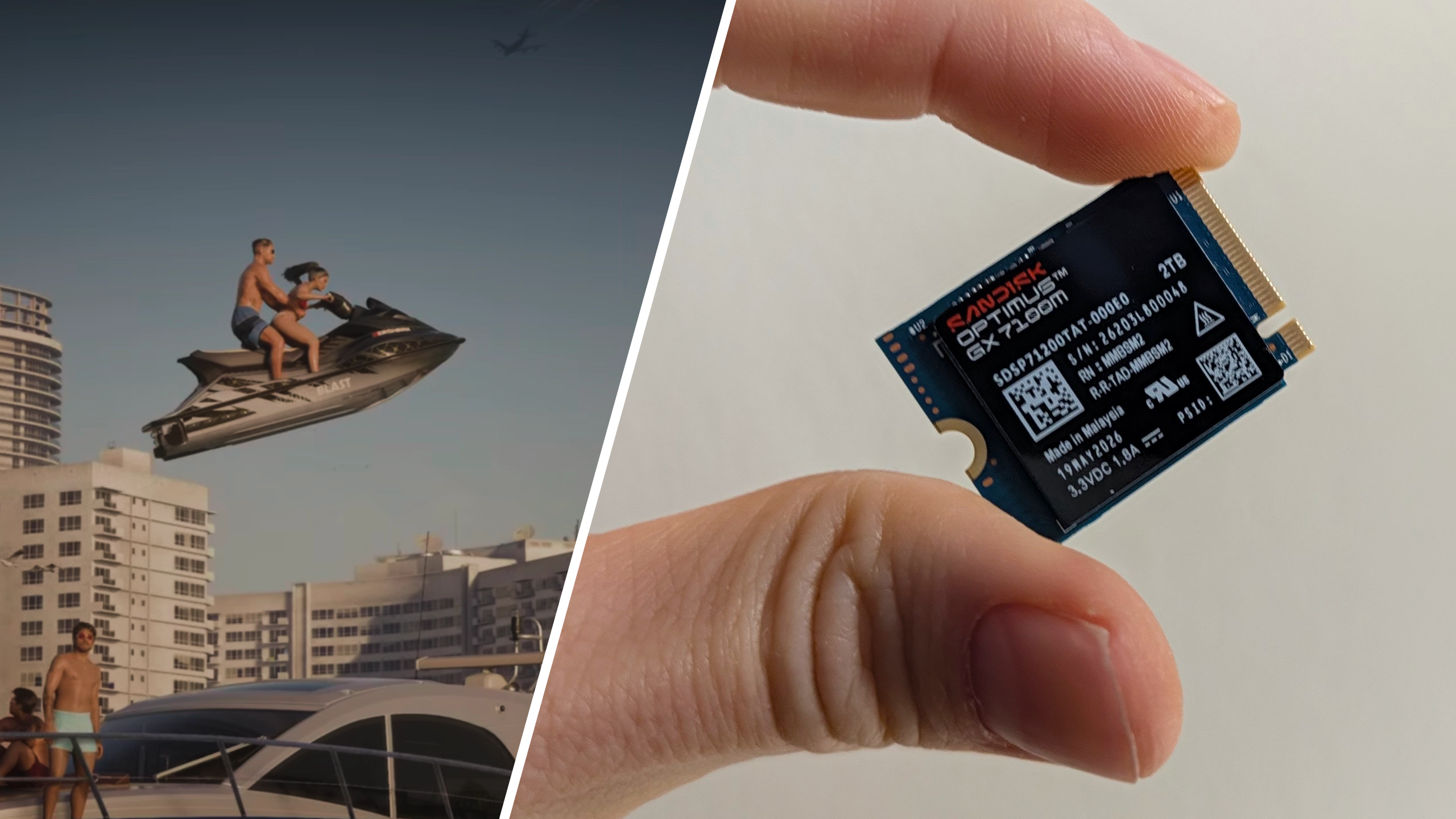
There is something mildly hilarious about holding a modern SSD in your palm. At just 30 millimeters long, the Sandisk Optimus GX 7100M is roughly the size of a postage stamp — looking less like a serious piece of gaming hardware and more like a spare part that fell out of a watch.
And yet, after testing it over the past couple of months, it is easily a favorite of mine, and for you, the ultimate Swiss Army knife of Black Friday deals. Not only is it damn fast (more on that later), but it’s small enough to not just fit into your desktop or PS5, it can fit snugly into any gaming handheld too.
Why it feels faster than the spec sheet
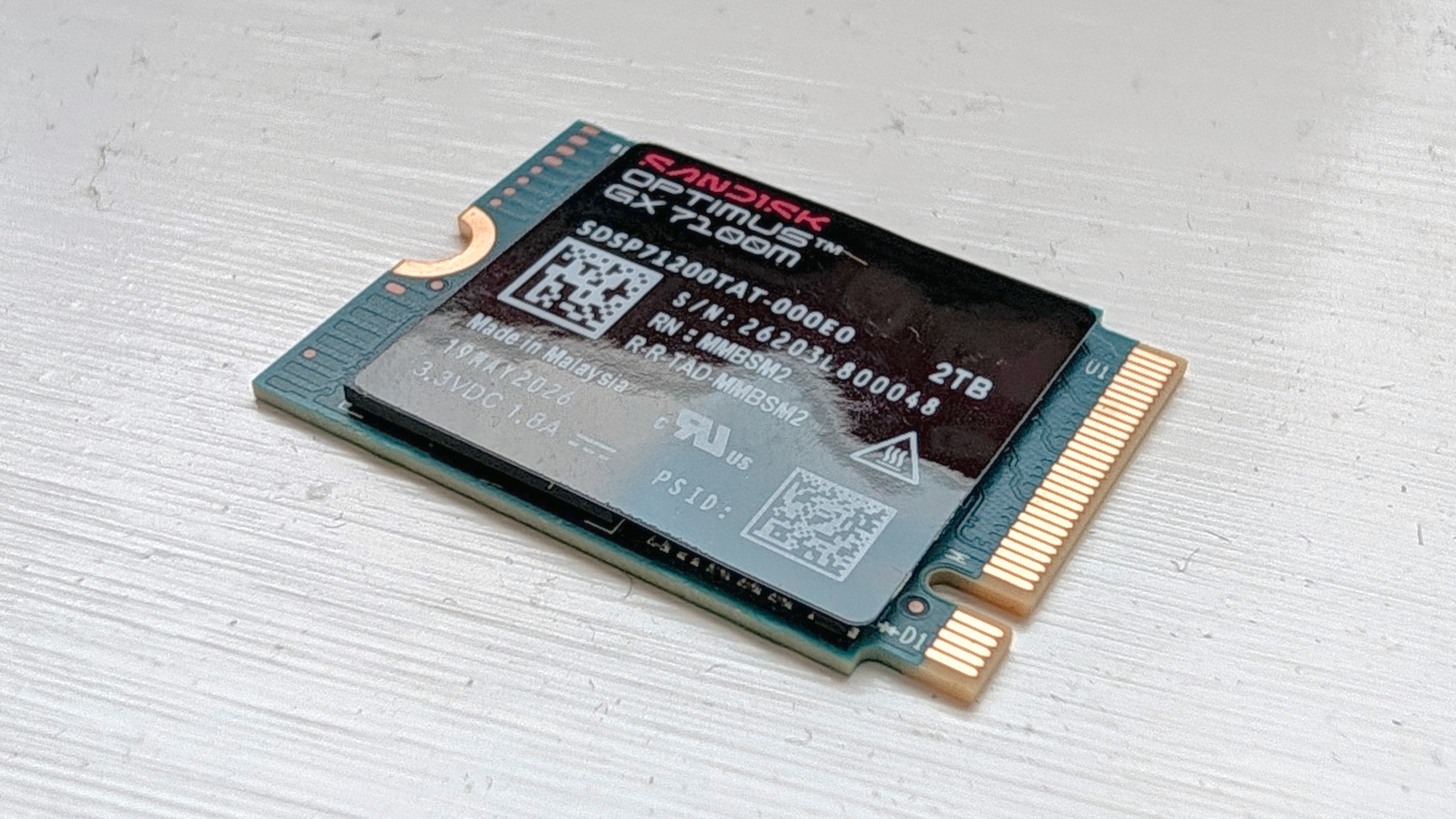
It’s easy to get hypnotized by big sequential read numbers on SSD boxes. This one easily saturates PCIe 4.0 at up to 7,250 MB/s read and 6,900 MB/s write for example.
But it’s when you’re actually sitting on the couch waiting for the massive open world of GTA 6 to load that you see the real heavy lifting. This comes down to two far less glamorous metrics: random reads and queue-depth-one (QD1) sequential reads.
- Random reads are like sending a personal shopper into a massive supermarket with a list of 500 tiny, random items scattered across every aisle. You can have all the fastest sequential speeds in the world, but with a weak random, it’s like a sprinter who gets lost in the cereal aisle.
- Queue Depth 1 is how well a drive handles a single, urgent request at a time — think of it like a barista making your coffee right now, rather than lining up 32 orders at once. Everyday gaming needs to take that priority.
The 7100M nails both of these effectively while not cutting corners on the actual memory chips inside. You see a lot of tiny options use cheaper flash chips, but with the 218-layer TLC flash in here, it’s faster, cooler, and far more durable.
One tiny drive, three massive upgrades
Because the GX 7100M is a single-sided M.2 2230 drive, you’re not locked into a single ecosystem in your gear shuffle:
For gaming handhelds (Steam Deck, MSI Claw, ROG Ally)
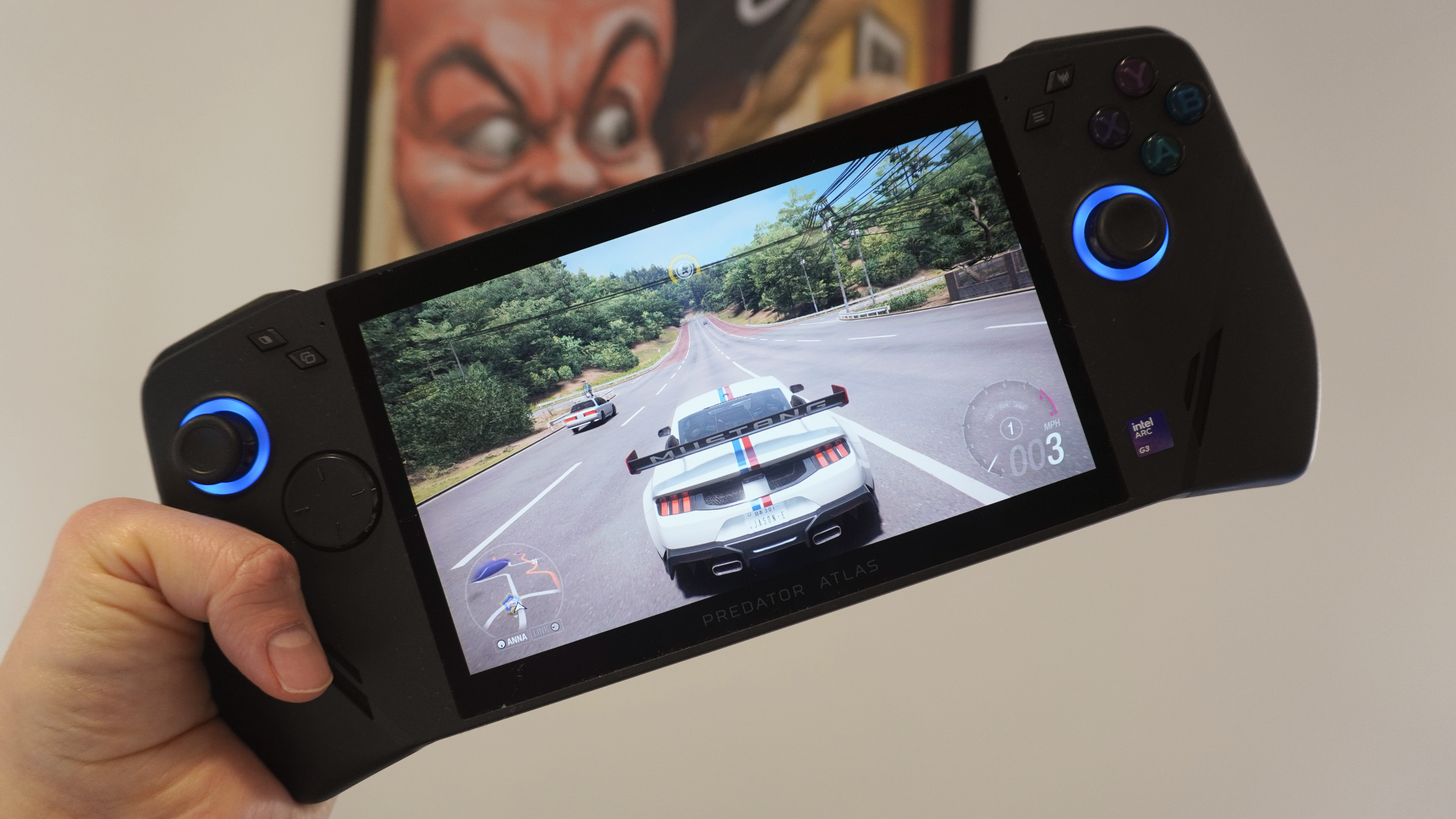
This is the drive’s natural habitat to fit into. Loading and running games is blistering fast (Forza Horizon 6 fired up and I was in-game in seconds).
For the PS5
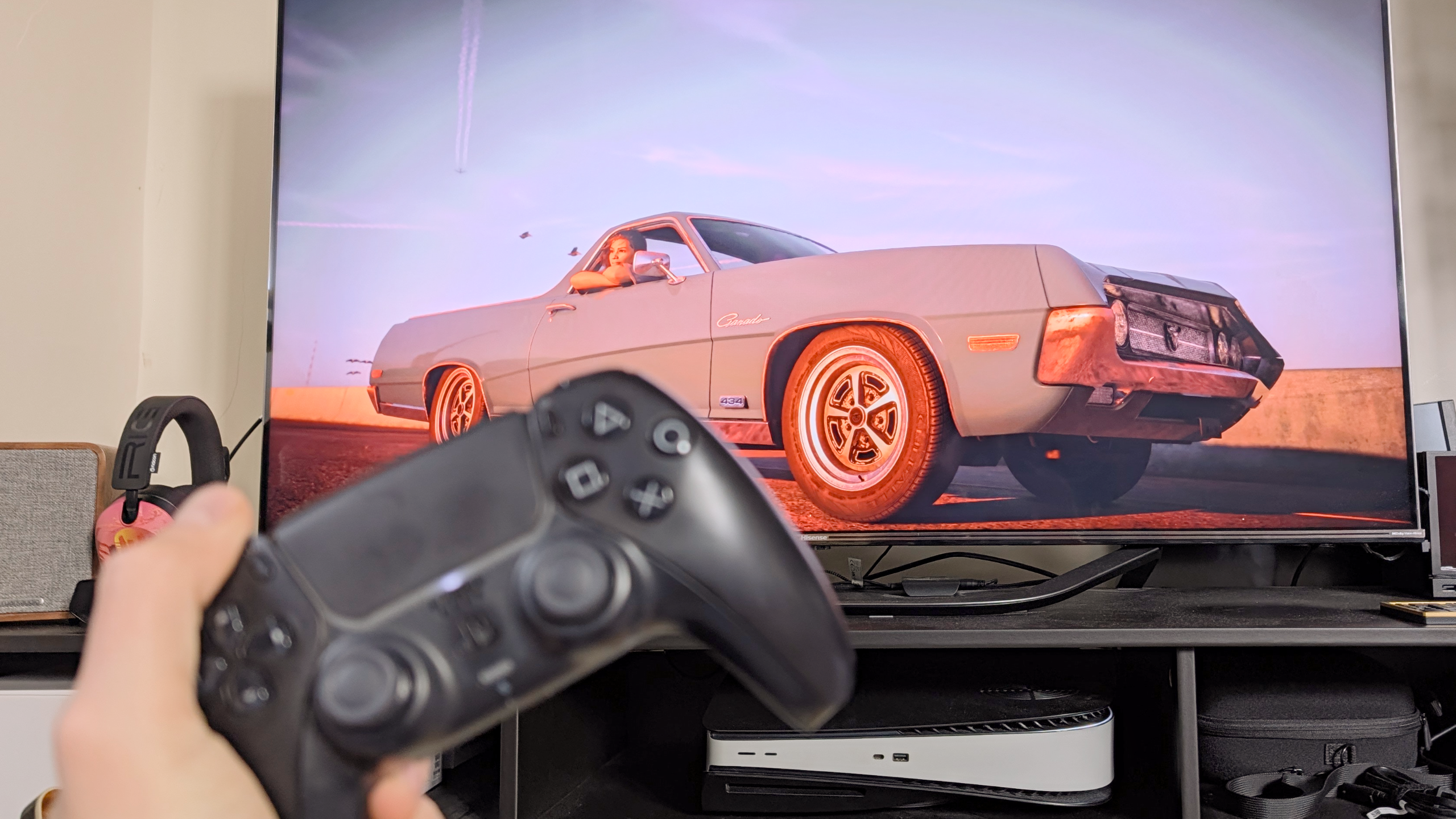
Most people forget that the PS5’s internal SSD expansion bay natively supports smaller drives — just unscrew the little metal spacer and move it to the right spot. In my own testing, GTA 6 loaded in roughly 8-10 seconds (the same as it took on the internal storage).
For the PC build
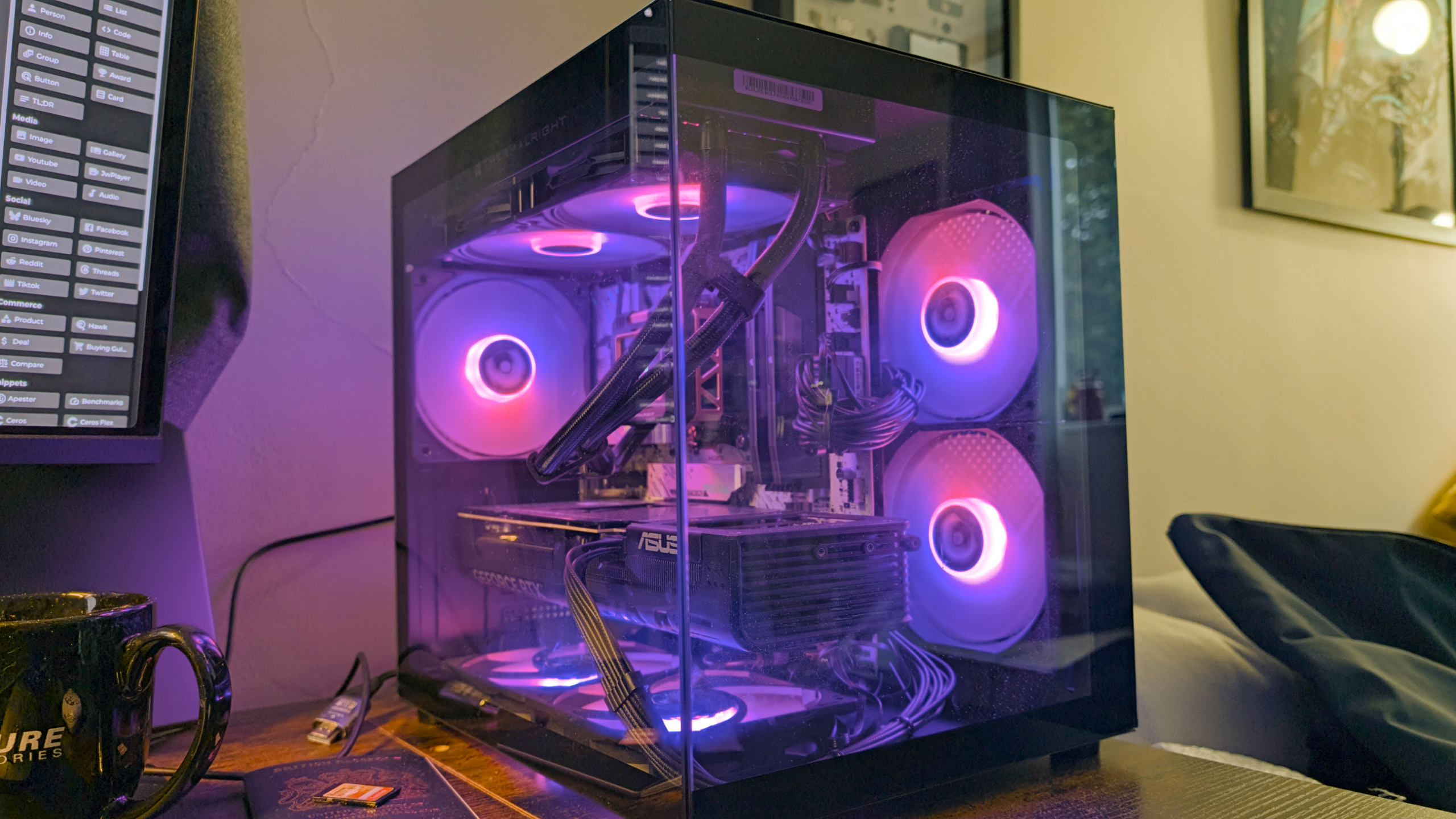
If you’re upgrading a desktop gaming rig (check your motherboard has the 2230 mounting hole) or a laptop, this will do the trick here too. Sustained performance kills here with a Steam game transfer blazing by at 6.4GB/s without every gasping for air.
Should you pull the trigger?
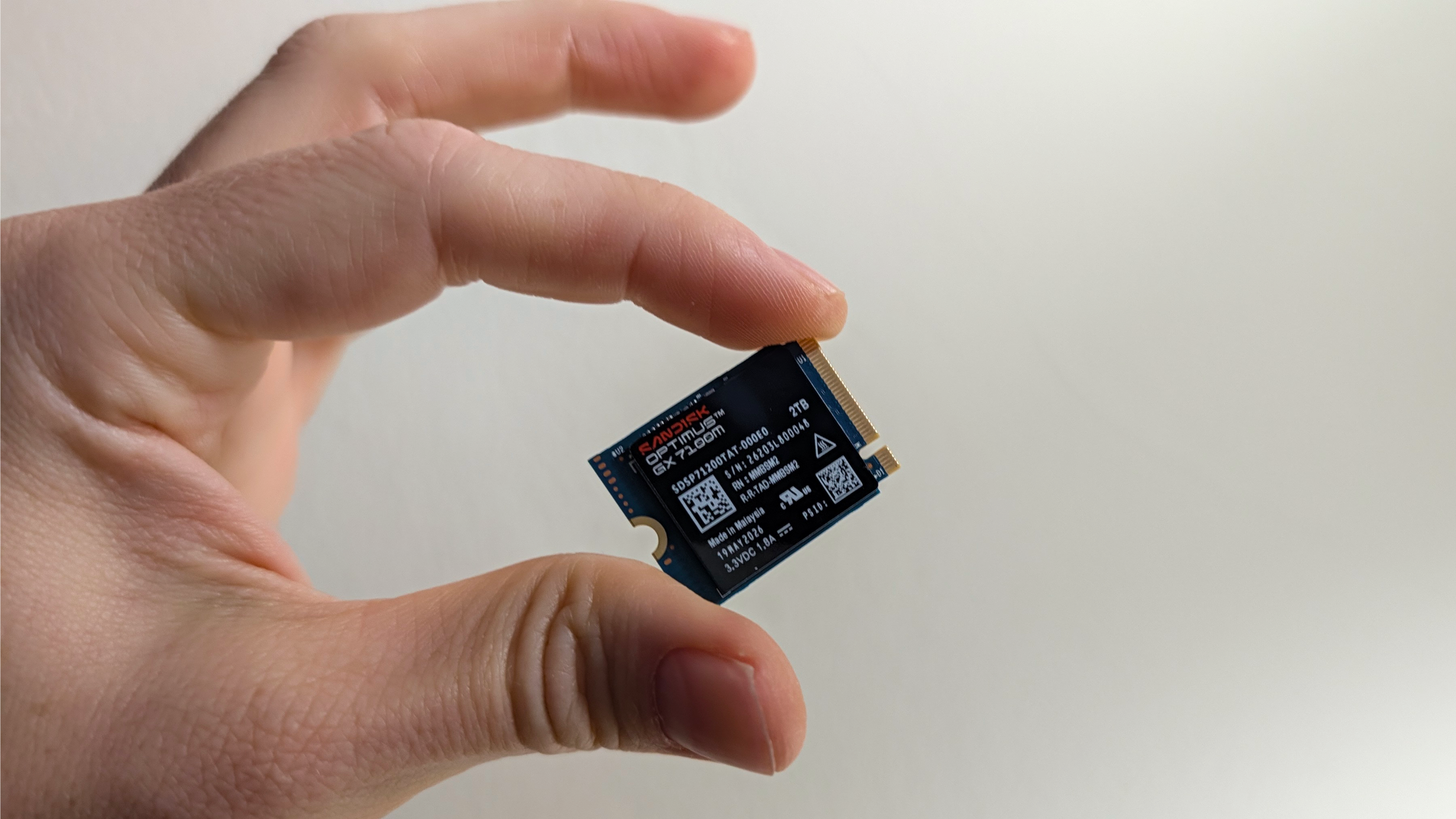
Of course, if you only ever plan to bolt a drive into a desktop tower and forget about it, you can obviously stick to a standard, full-length SSD.
But if you own a Steam Deck, a cramped mini-PC, or just want a blisteringly fast drive that can seamlessly jump between all of these and your PS5 further down the road, the Optimus GX 7100M is as good as tiny storage gets.
Every Black Friday computing deal we recommend passes two rigorous tests to ensure it is cheaper than its original MSRP before the memory crisis began. That’s the ‘RAMageddon Reset’ promise.
Next Badge:
More Comments/Likes Until Your Next Badge