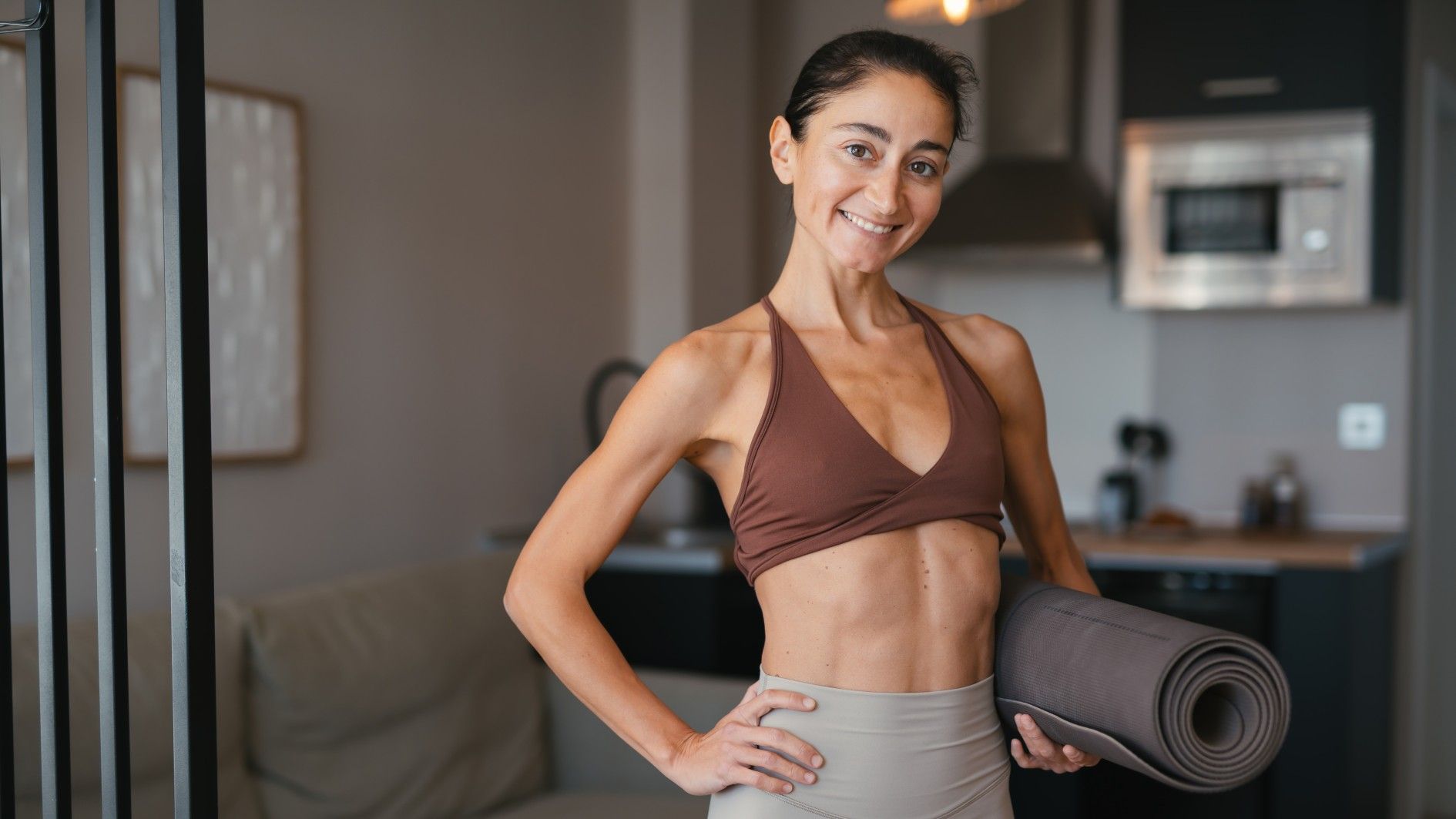
As we get older, things change, and while I don’t necessarily recommend that someone swap their entire routine just because of a number, there are certain factors to consider, especially as you pass the 40 mark.
This applies to both men and women, but particularly women, whose hormones change with perimenopause and menopause, which impacts lean muscle mass and joint and bone health. But regardless, sarcopenia (the age-related, progressive loss of muscle mass, strength, and physical function) begins to accelerate through the 40s and 50s and still applies to everyone.
For that reason, there are a few tweaks we can make to help the transition, and I’m going to lay them out for you below using my experience as a personal trainer and fitness editor.
What is the most common problem people over 40 face when exercising?
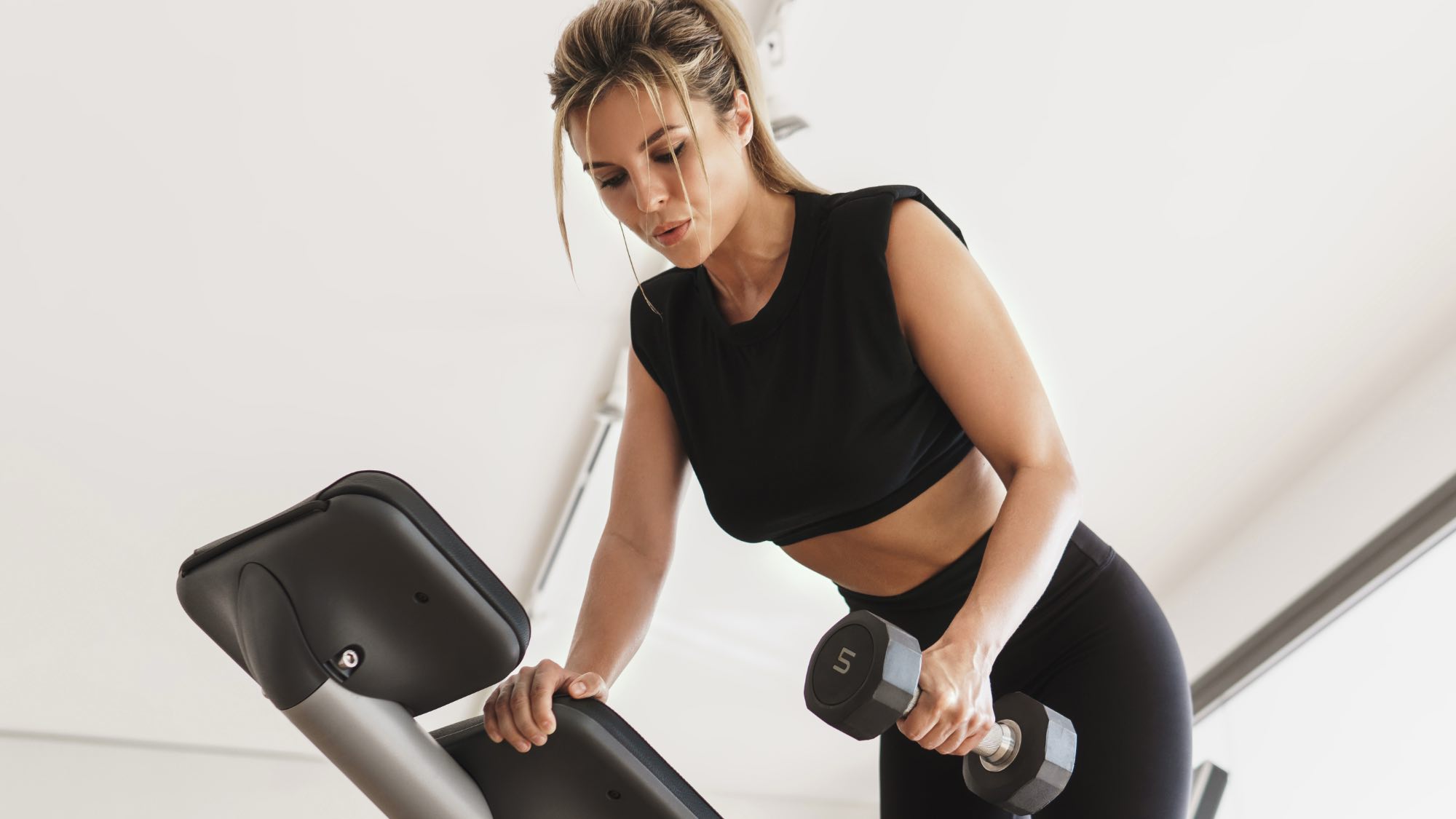
I absolutely refuse to change someone’s gym program just because of a number. Instead, I listen to the client and their goals, potential health conditions, injuries, or life experiences, and I also program to my clients’ abilities and scale accordingly.
In fact, I train my 72-year-old dad like he’s 30 years younger and he’s stronger and more mobile than ever.
That said, people over 40 may notice slower recovery times and changes to joint mobility, strength, or muscle mass. This is a period of time when I think building and maintaining muscle becomes extremely important for function, balance and performance.
For some, it may be possible to remain doing high-impact cardio or HIIT routines, but for many, I see a gradual shift toward low-impact routines such as Pilates or yoga and strength training, which may involve lifting weights at home or in the gym.
Changes to hormones and lower collagen levels mean muscles may take slightly longer to repair and recover from workouts, which makes overtraining easier to accidentally fall into.
Lower collagen levels can also impact your joints, which play a vital role in mobility; tendons and ligaments will also lose elasticity with age, which means you’ll need to really focus on proper warm-ups and cool-downs to maintain range of motion without injury or strain.
Alongside sarcopenia, which I mentioned earlier, bone density decreases into your 40s and 50s as well, impacting balance and strength, which can make the likelihood of injuries or falls higher.
How to fix it in 5 steps
Give these tips a try:
- Focus on strengthening the stabilizer muscles in your body responsible for supporting posture, pelvis and spine, like your glutes, hip flexors and rotator cuff muscles. Targeted Pilates routines, core workouts and mobility work can be a useful place to start, just a couple of times per week.
- Include warm-ups and cool-downs in your workouts, including mobility and dynamic stretching to properly warm your muscles and joints beforehand, then some static stretching, foam roller work, or gentle yoga post-workout.
- Build your balance through single-sided exercises to ensure you don’t overtrain or underuse one side of the body. This will reduce any muscular imbalances and help you build stability and strength more evenly, making exercises like running, climbing, or walking easier. A physical therapist once told me she asks clients to be as ambidextrous as possible; see if you can climb the stairs leading with your non-dominant leg, or open a door with your non-dominant hand.
- Focus on lifting weights over cardio: Nothing against cardio, as this is great for strengthening your heart and lungs and reducing sedentary time, but lifting weights is how you build and maintain strength and muscle. If you don’t use it, you lose it. And if high-intensity efforts aren’t serving your body, avoid them. If you feel you can do both, great, but cardio alone won’t protect muscle mass, and high-intensity training can temporarily increase cortisol. Aim for two or three sessions per week.
- Recovery is your best friend, and it’s when muscles can actually repair and grow. Without rest, including proper sleep, your body is more likely to become injured, sore, or overtired. Try to add light active recovery, stretching and walks on these days. You could include cycling or swimming, which won’t exacerbate joint pain.

Follow Tom’s Guide on Google News and add us as a preferred source to get our up-to-date news, analysis, and reviews in your feeds. Alternatively, you can read our content on the Tom’s Guide app available now for iOS and Android. Subscribe to Tom’s Guide on YouTube and follow us on TikTok.
More from Tom’s Guide
- I teach people how to be more mobile: 3 low-impact back and shoulder moves that build stability and strength after 40
- I teach people how to be strong and mobile: this is the one exercise I regret ignoring for years
- I teach people over 50 to be mobile: 3 low-impact moves that build more stability than a 30-minute walk
Next Badge:
More Comments/Likes Until Your Next Badge