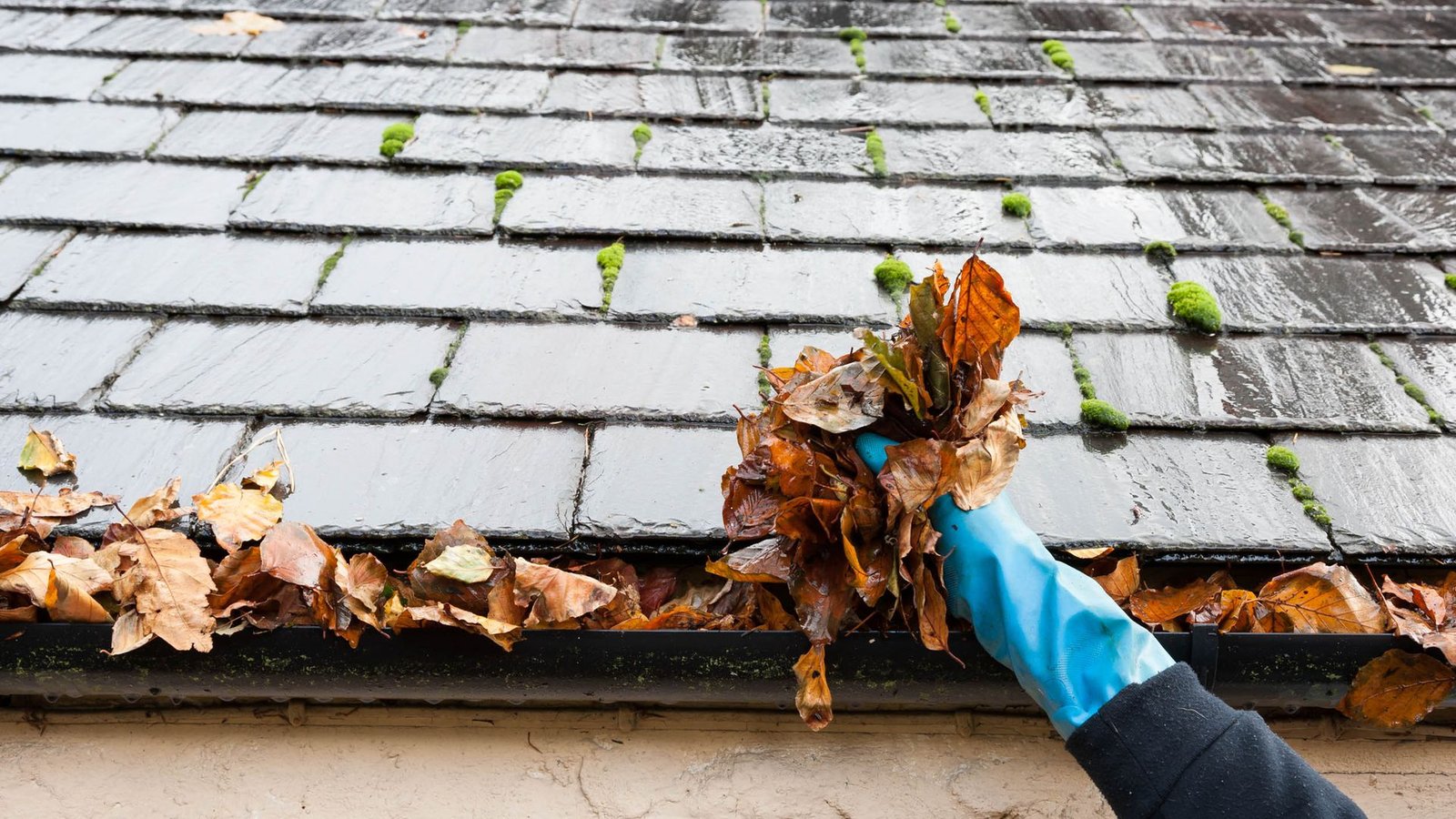

As fall leaves begin to carpet the lawn, tackling your gutters early seems like a proactive way to check a major chore off your seasonal home maintenance list. However, clearing your downspouts too soon in the season could be a costly waste of time that almost guarantees you will have to haul out the ladder a second time before winter sets in.
Timing your fall gutter prep requires a delicate balance between letting the canopy clear and protecting your home’s foundation from heavy rains. Here is why jumping the gun on gutter cleaning backfires — and the exact window to do it right.
Why cleaning your gutters too early in fall backfires
The temptation to clear gutters during the first crisp weekend of fall is understandable, but sweeping them while trees are still shedding is an exercise in futility.
When you scoop out leaves while the surrounding canopy is only partially bare, the very next fall breeze or rainstorm will dump a fresh layer of dry foliage, twigs, and oak tassels straight into your clean troughs. Within a week, those newly cleared channels fill right back up.
Worse still, early fall leaves are often dry and lightweight. Rather than packing tightly at the bottom of the trough, they float freely into the top of downspouts, creating quick, stubborn jams at the elbows that trap subsequent rainfall.
Wait too long, however, and wet, freezing leaves turn into a heavy, sludge-like paste that weighs down your fascia boards and pulls the gutters away from your roofline.
The golden rule for timing your fall gutter clean

To avoid climbing the ladder twice, follow the 80 percent rule: wait until roughly 80% of the surrounding trees have shed their leaves before doing your primary fall clear-out.
Unless your gutters are already overflowing and causing immediate drainage issues, the ideal window for most regions lands between late October and mid-November — right after the first hard freeze forces deciduous trees like maples, oaks, and birches to drop their remaining foliage.
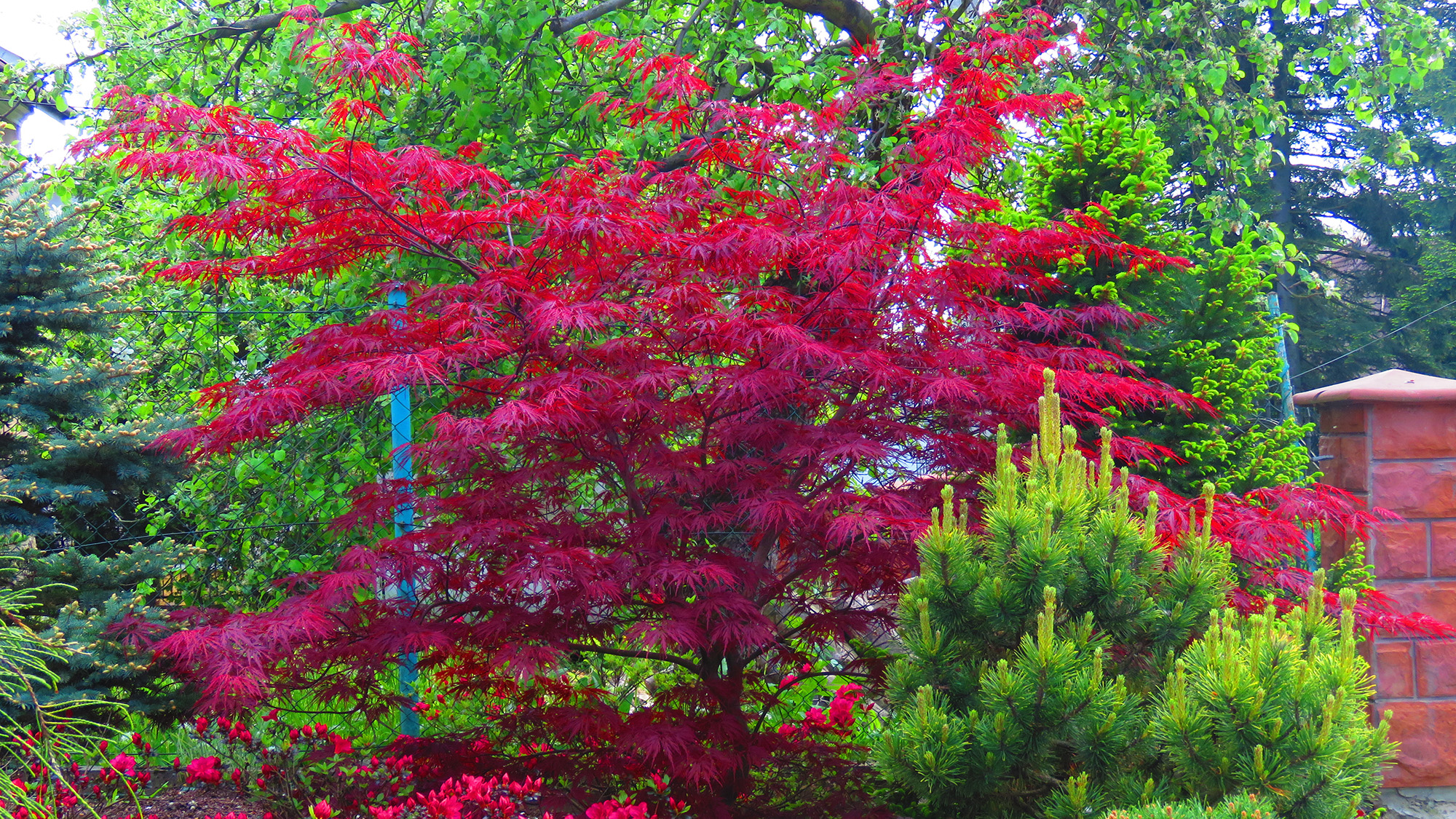
If you live in an area surrounded predominantly by pine or oak trees, your timeline shifts slightly:
- Deciduous trees (Maples, Elms, Ashes): Wait until late fall after a hard frost when the branches are mostly bare.
- Late-dropping oaks: Oak trees retain their leaves much longer into the season, often dropping them in late November or early December. Wait for the final canopy drop so you aren’t caught off guard.
- Pine and needle trees: Pines shed needles continuously in early fall; sweep them right before the first anticipated snowfall to prevent frozen ice dams
Once you hit the right fall window, a quick scoop of the main troughs isn’t enough to safeguard your home against winter water damage. A single hidden clog in the downspout can cause freezing water to back up under your shingles, leading to costly roof leaks and damaged foundations.
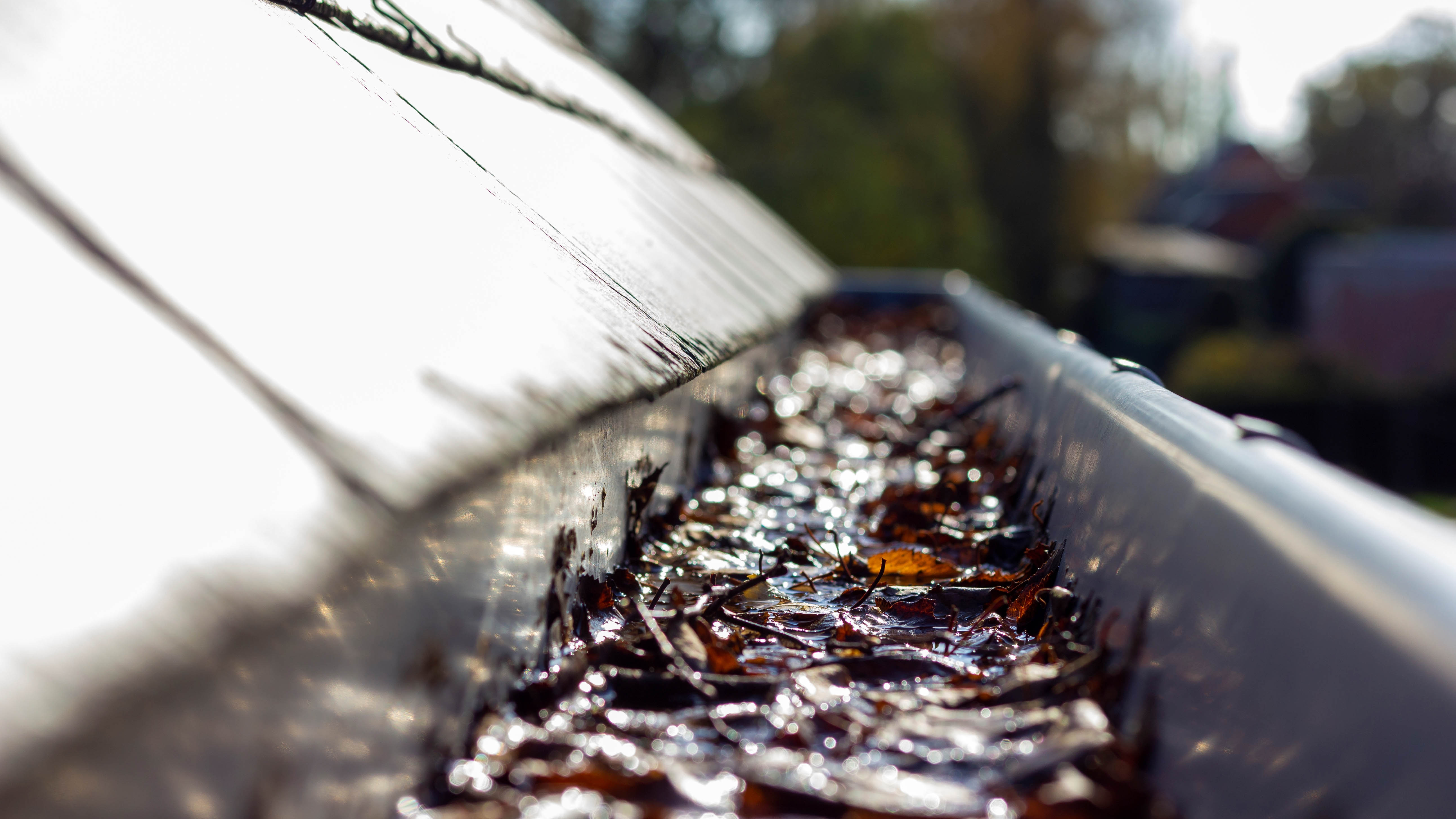
To ensure your system is completely clear, follow this simple 3-step inspection.
After removing loose debris from the horizontal troughs, place a running garden hose directly into the top of each downspout. Watch the bottom outlet to confirm water flows out freely at full pressure.
If water backs up at the top, the clog is trapped in the curved elbow. Tap the side of the metal downspout gently with a rubber mallet to dislodge packed debris, or feed a plumber’s snake down the pipe to break up the blockage.
Make sure your downspout extensions funnel water at least 3 to 5 feet away from your home’s foundation to prevent pooling and basement seepage during winter thaws.

Follow Tom’s Guide on Google News and add us as a preferred source to get our up-to-date news, analysis, and reviews in your feeds. Make sure to click the Follow button!
More from Tom’s Guide
Next Badge:
More Comments/Likes Until Your Next Badge