As temperatures drop, our lawns often show signs of wear and tear from battling the elements. Whether dealing with patchy growth, damaged areas, or waterlogged soil, we still need to give our yards extra lawn care for the harsh winter months ahead.
Perhaps one of the most important gardening tasks for healthy lawn growth is applying fertilizer. However, given the cooler conditions, is it too late to fertilize my lawn before winter?
To answer my question, I called on the gardening experts to answer this question — and offer their top tips and tricks. So before you prep your lawn fertilizer, here’s what you need to know.
Should I fertilize my lawn before winter?
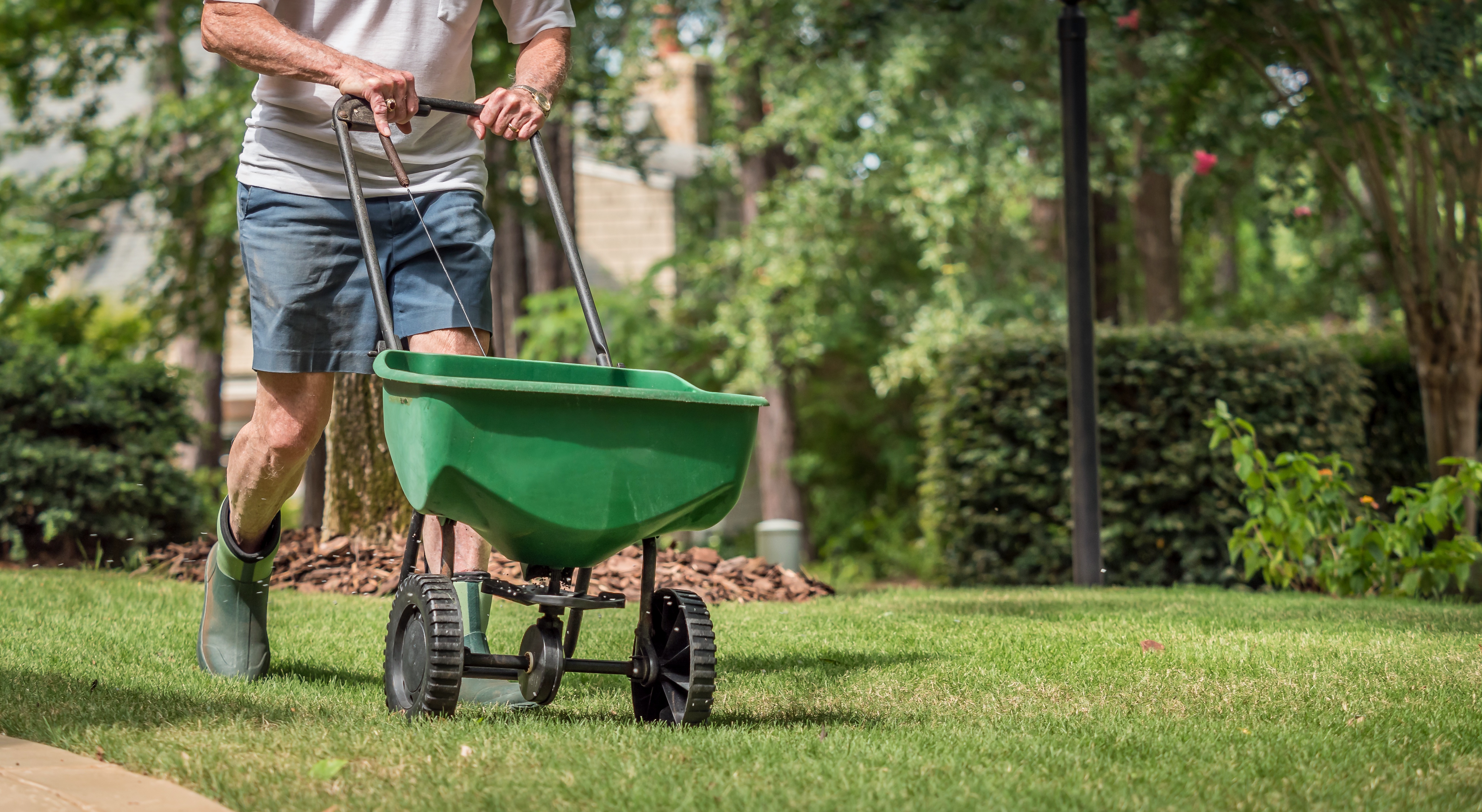
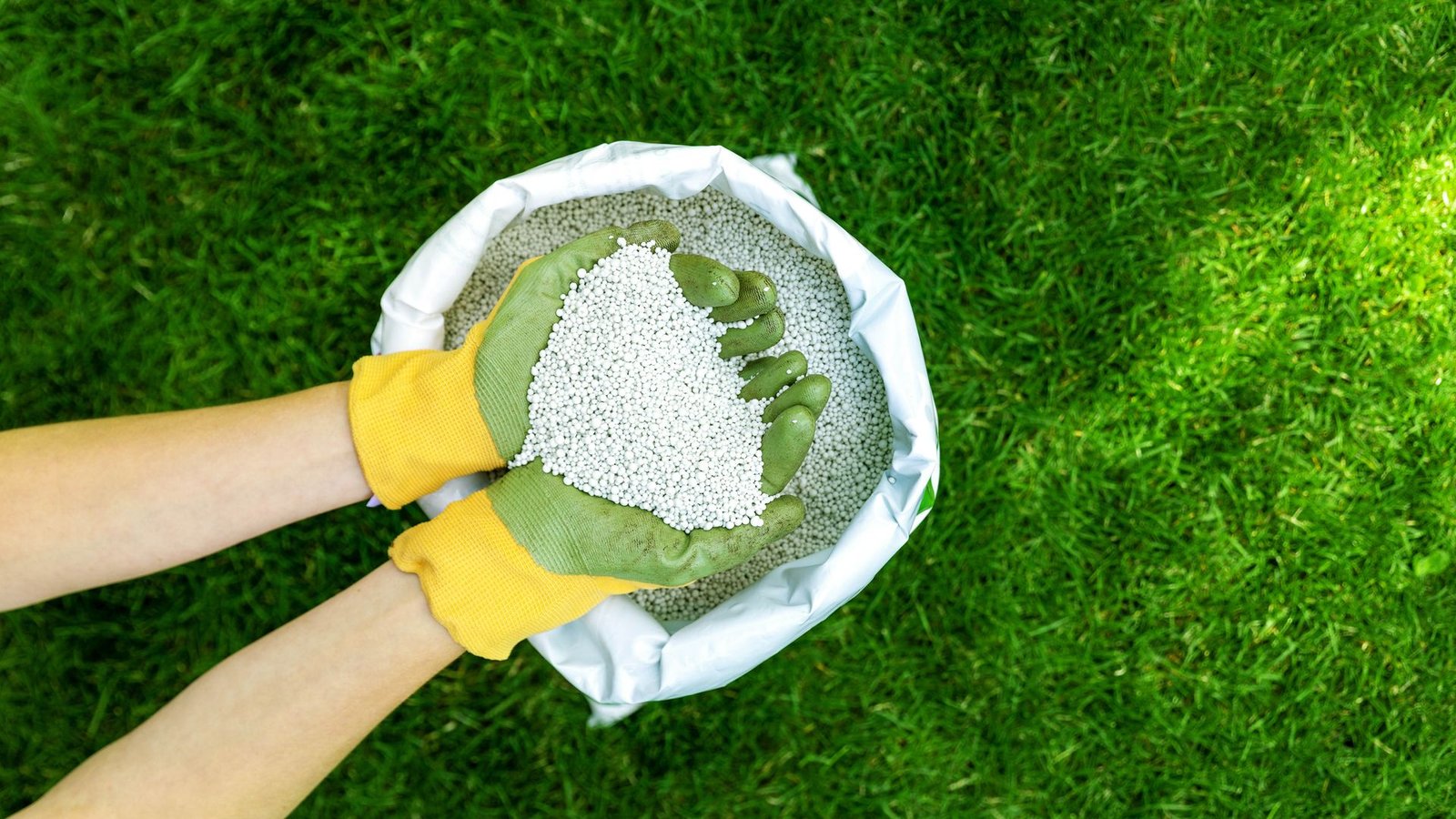
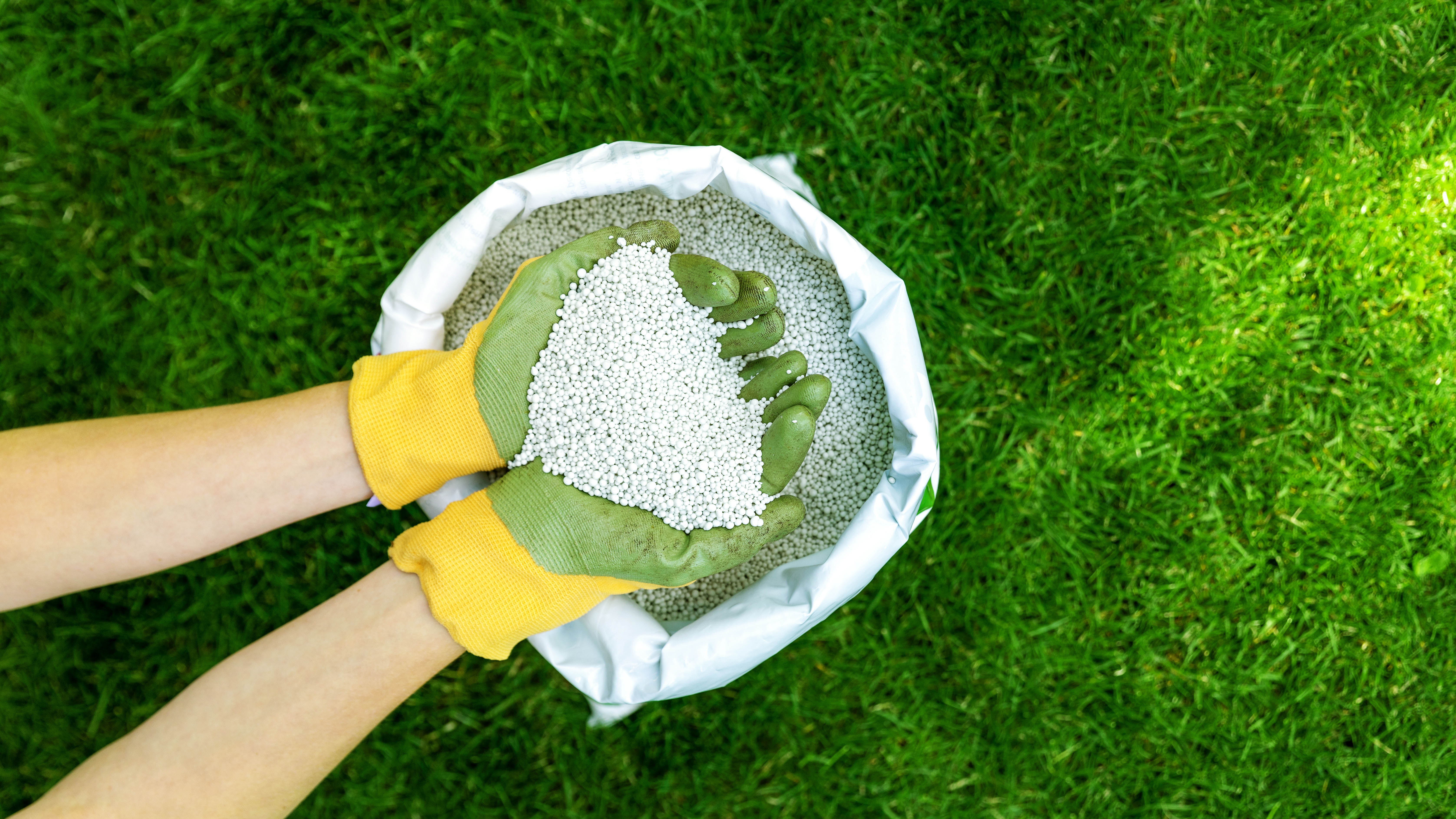
According to experts, you can fertilize your lawn before winter — as long as it’s completed by mid-November at the latest.
“If you are looking to fertilize your lawn before winter, I would recommend you do this no later than the middle of November, as your grass is becoming dormant and growth is slowing around this time, so it is best to fertilize beforehand,” advises Craig Wilson, co-founder and gardening expert at Gardeners Dream.
While fertilizing is commonly associated with warmer weather, cold-weather lawn care relies on specialized formulas.
“Make sure to use a low-nitrogen fertiliser that features high-potassium levels, as this will help to protect your lawn better in the cold weather,” adds Wilson.
Fall fertilization supports stronger root systems, thicker turf, and lends better resistance to harsh conditions throughout the winter months.
Brian Feldman, TruGreen
Furthermore, choose a fertilizer designed to specifically help your lawn withstand and handle colder weather conditions.
“Fall fertilization supports stronger root systems, thicker turf, and lends better resistance to harsh conditions throughout the winter months,” states Brian Feldman, Senior Director of Operations and Agronomy at TruGreen.
“Make sure to select a fertilizer that’s formulated specifically for fall and apply it about 3-4 weeks before your area’s first expected frost, and while soil temperatures are still above 50 degrees F.”
Other top tips for winter lawn care

Of course, prepping your lawn for winter requires a few extra steps, including clearing away weeds, clearing fallen leaves, and debris to stop them from smothering the soil underneath.
“I would also advise continuing to keep your lawn clear of fallen leaves to avoid any dead patches of grass,” agrees Wilson.
“They needn’t go to waste though — you can spread them over your borders as a nutritious mulch for your plants, which will help improve the soil quality!”
While adding excess fertilizer seems like a good way to protect your lawn through the winter, it can actually do more harm than good. Avoid over-fertilizing if you don’t want to damage your lawn.
“Be careful not to over-fertilize, as too much can lead to nutrient runoff and weak, fast-growing grass that’s more prone to damage. The goal is strong, sustained growth from the roots up,” adds Feldman.
Other top tips include aerating your lawn and knowing when to plant grass seed in November.

Follow Tom’s Guide on Google News and add us as a preferred source to get our up-to-date news, analysis, and reviews in your feeds.
More from Tom’s Guide
Next Badge:
More Comments/Likes Until Your Next Badge